In the realm of industrial automation and control systems, proximity sensors stand as fundamental components for non-contact object detection. Among the various configurations, the normally open (NO) type is a prevalent and critical design. This article delves into the operational principles, typical applications, advantages, and key selection criteria for normally open proximity sensors, providing a comprehensive guide for engineers and technicians.
At its core, a normally open proximity sensor is an electronic device designed to detect the presence or absence of a target object without physical contact. The term "normally open" refers to the state of its output switching circuit when no target is within its sensing range. In this idle state, the output circuit is open, meaning no current flows through it. When a valid target enters the sensor's specified detection field, the internal circuitry is triggered, causing the output switch to close and complete the circuit, allowing current to flow. This change in state—from open to closed—signals the presence of the target to a connected controller, such as a Programmable Logic Controller (PLC).
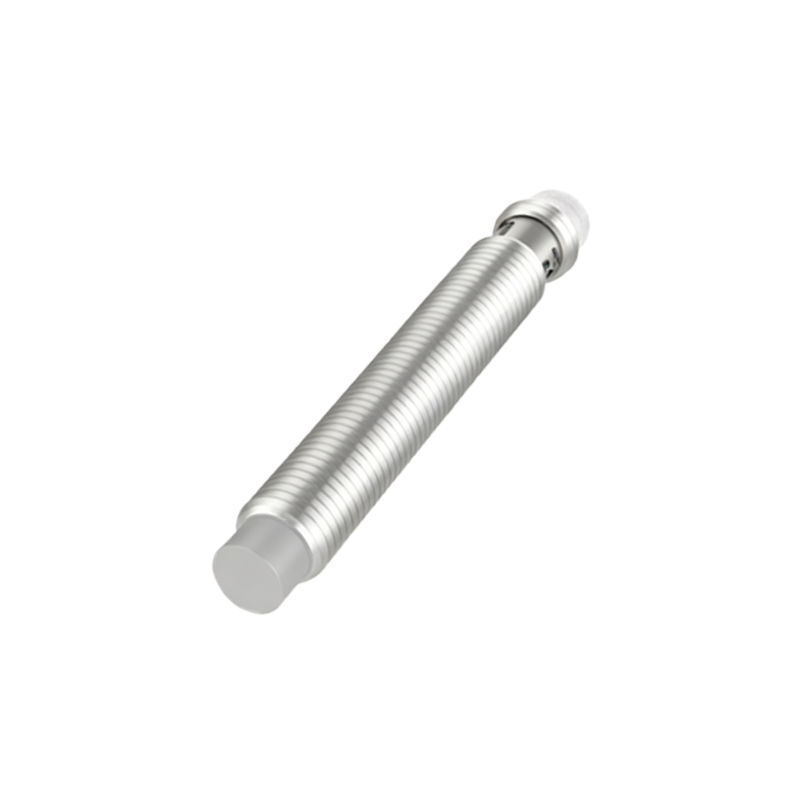
The working principle depends on the underlying technology. Inductive proximity sensors, for instance, generate an electromagnetic field. When a metallic target enters this field, it causes eddy currents that dampen the oscillator's amplitude, triggering the output switch to close. Capacitive sensors detect changes in capacitance caused by both conductive and non-conductive materials. Photoelectric sensors use a light beam, where an interruption or reflection indicates an object's presence. Regardless of the technology, the "normally open" logic defines the output's default inactive state.
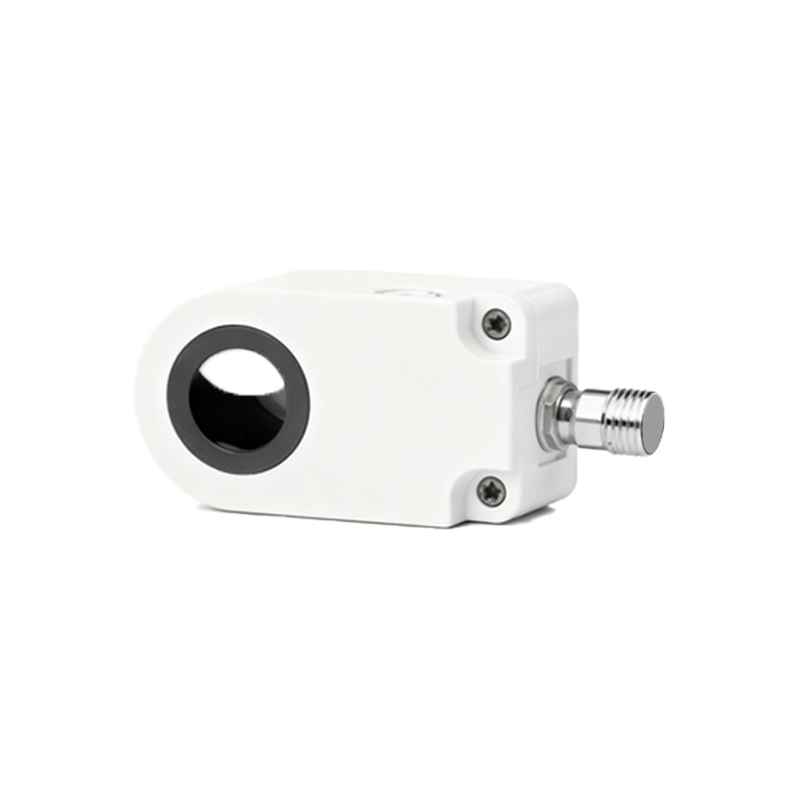
The application of normally open proximity sensors is vast across industries. They are extensively used for part presence verification on assembly lines, such as confirming a component is in place before a robotic arm performs a task. In packaging machinery, they count bottles or boxes by detecting each item that passes by. They serve as limit switches to indicate when a machine part, like a door or gate, has reached its end position. In safety systems, they can be part of interlock circuits; for example, a sensor might confirm a protective guard is closed before allowing a machine to start. The normally open configuration is often chosen for its intuitive "make-on-presence" logic, which aligns with many control system designs where an active signal is required to initiate an action.
Choosing a normally open sensor offers several distinct advantages. Its primary benefit is safety and fail-safe design in certain contexts. In a system where a broken wire or loss of power should result in a "stop" signal, a NO sensor's output naturally opens under fault conditions, which can be interpreted by the PLC as an absence of the target or a fault, potentially halting a process. This contrasts with a normally closed (NC) sensor, which might falsely indicate everything is clear during a wire break. Furthermore, NO outputs are typically simpler to integrate into standard control logic that expects a rising edge or active-high signal to denote an event. They also reduce energy consumption in the idle state, as the output circuit is not energized until detection occurs.
However, the choice between NO and NC is not absolute and depends heavily on the specific application's control logic and safety requirements. It is not uncommon for sensors to offer both NO and NC outputs via separate wires or configurable outputs, providing maximum flexibility.
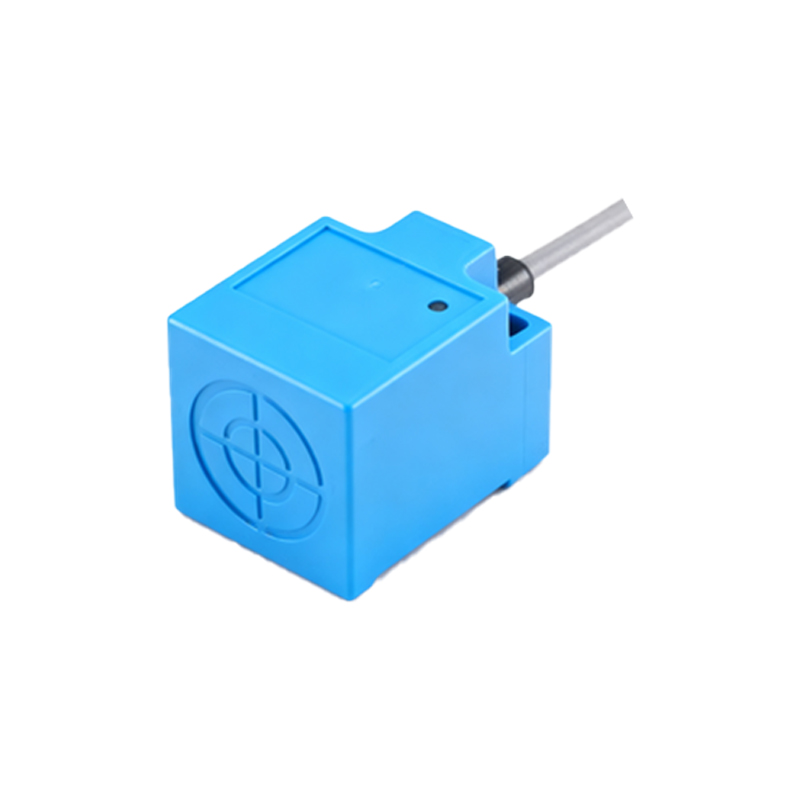
When selecting a normally open proximity sensor, engineers must consider several critical parameters beyond just the output type. The sensing range, often specified as the nominal range (Sn), must be appropriate for the application, with a safety margin considered. The target material dictates the technology: inductive for metals, capacitive for various materials including liquids, and photoelectric for long-range or precise detection. The sensor's housing material (e.g., brass, stainless steel, PBT plastic) must withstand the environmental conditions, including exposure to chemicals, temperature extremes, and physical impacts. Electrical characteristics are paramount: the output type (PNP vs. NPN transistor sourcing/sinking), supply voltage (commonly 10-30V DC or 20-250V AC), and current rating must be compatible with the control system. Finally, the connection method, such as pre-wired cables or quick-disconnect connectors, influences installation and maintenance ease.
In conclusion, the normally open proximity sensor is a versatile and reliable workhorse in automation. Its design, where the output activates upon target detection, provides a logical and often safer interface for modern control systems. A thorough understanding of its operation, coupled with careful consideration of the application's technical and environmental demands, is essential for optimal system performance, reliability, and safety. As technology advances, these sensors continue to evolve with enhanced precision, intelligence, and connectivity, solidifying their indispensable role in the smart factories of today and tomorrow.