Magnetic proximity sensors, particularly those utilizing reed switch technology, are fundamental components in modern industrial automation and control systems. Their operation is elegantly simple yet remarkably reliable. At their core, these sensors detect the presence or absence of a magnetic field, typically generated by a permanent magnet attached to a moving target. The primary sensing element is the reed switch—a hermetically sealed glass capsule containing two ferromagnetic reeds. When an external magnetic field of sufficient strength is applied, these reeds become magnetically attracted to each other, making contact and closing an electrical circuit. Conversely, when the magnetic field is removed, the inherent spring force of the reeds causes them to separate, opening the circuit.
This basic principle enables a wide array of applications. In factory automation, magnetic proximity sensors are indispensable for position sensing. They are used to detect the open or closed state of doors, hatches, and guards on machinery, ensuring operator safety by interlocking power systems. Within pneumatic or hydraulic cylinders, a small magnet embedded in the piston actuates a sensor mounted externally on the cylinder body, providing precise end-of-stroke feedback without the need for mechanical linkage or direct contact. This non-contact operation is a key advantage, eliminating wear and tear on the sensor itself and allowing for millions of reliable switching cycles.
The design and selection of a magnetic proximity sensor for a specific task involve several critical considerations. First is the switching distance, or the maximum range at which the sensor can reliably detect the target magnet. This is influenced by the strength of the magnet (often rated in Gauss or Tesla) and the sensitivity of the reed switch. Engineers must account for installation tolerances and potential shifts in alignment over time. Second is the electrical load. Reed switches can handle relatively low currents and voltages, making them ideal for logic-level signals in PLC (Programmable Logic Controller) input modules. For higher-power loads, the reed switch is often used to trigger a solid-state or electromechanical relay. Environmental factors are paramount. While the glass capsule protects the contacts from dust and corrosion, extreme temperatures can affect performance. Standard reed switches operate effectively from approximately -40°C to +125°C. Additionally, strong external magnetic fields from motors or heavy current-carrying cables can potentially cause false triggering, necessitating proper shielding or sensor placement.
Comparing reed-based magnetic sensors to other technologies like inductive, capacitive, or optical sensors highlights their unique niche. Inductive sensors detect only metals, and capacitive sensors detect a wider range of materials but can be influenced by humidity. Optical sensors can be obstructed by dirt or fog. Magnetic sensors, however, respond solely to magnetic fields. This makes them the perfect choice for applications involving non-ferrous materials like aluminum, plastic, or stainless steel housings, where the magnet can be embedded and sensed through the material. They are also inherently safe in explosive atmospheres (when properly certified) as the switching occurs in a sealed vacuum or inert gas environment, preventing sparks.
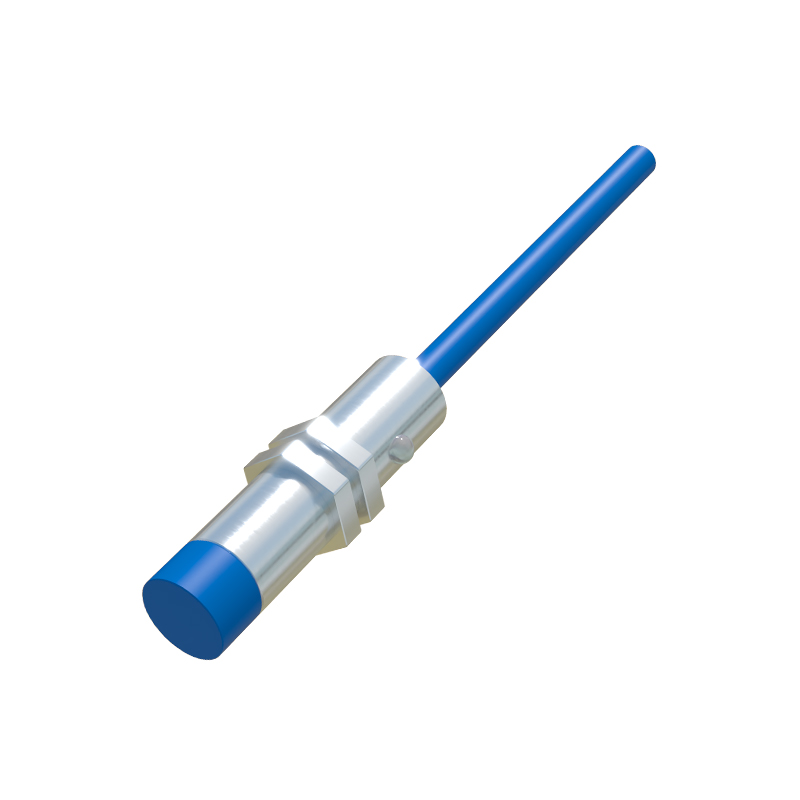
Looking forward, the integration of reed switches into more sophisticated assemblies continues. Modern "proximity switches" often package the reed element with conditioning electronics, providing amplified output, adjustable sensitivity, and standardized industrial housing formats like M8, M12, or M18 threaded barrels with LED status indicators. These enhancements improve noise immunity and ease of installation. Furthermore, the rise of Industry 4.0 and IoT demands sensors with diagnostic capabilities. Next-generation magnetic sensors may include features for monitoring contact health or predicting end-of-life, communicating data via IO-Link or other industrial networks.
In conclusion, the magnetic proximity sensor, built upon the enduring reed switch, remains a vital, cost-effective, and highly versatile solution for position detection. Its non-contact nature, ability to function through non-magnetic barriers, and robustness in harsh environments ensure its continued relevance. For engineers designing automated systems, a thorough understanding of its operating principles, key selection parameters, and ideal application scenarios is essential for creating reliable, efficient, and safe control architectures. From simple limit switching to complex sequential control, the magnetic proximity sensor is a silent, dependable workhorse on the factory floor.