Laser proximity sensors are pivotal components in modern industrial automation, offering unparalleled precision and reliability in object detection and measurement. Unlike traditional inductive or capacitive sensors, laser-based variants utilize focused light beams to detect the presence, absence, or position of objects with high accuracy, even at considerable distances. This technology operates on the principle of emitting a laser beam—typically from a semiconductor laser diode—toward a target. The sensor then analyzes the reflected light, using time-of-flight, triangulation, or phase-shift methods to calculate distance or detect objects. Common types include diffuse reflective sensors, which detect light scattered back from an object, and through-beam sensors, consisting of separate emitter and receiver units for detecting interruptions in the beam.
One of the standout advantages of laser proximity sensors is their exceptional resolution and repeatability, often achieving sub-millimeter accuracy. This makes them ideal for applications requiring fine detail, such as in semiconductor manufacturing, robotics, and packaging lines. For instance, in robotic guidance systems, these sensors enable precise positioning of arms and tools, enhancing efficiency and reducing errors. Additionally, their ability to detect small or low-contrast objects—like transparent glass or shiny metals—where other sensors might fail, underscores their versatility. Environmental robustness is another key benefit; many models are designed to withstand harsh conditions, including dust, vibration, and extreme temperatures, ensuring consistent performance in demanding settings like automotive assembly or metalworking.
When selecting a laser proximity sensor, engineers must consider several factors to optimize performance. Key parameters include sensing range, which can vary from a few centimeters to several meters, depending on the model and application. Response time is critical for high-speed processes, with some sensors offering microsecond-level detection. Beam spot size also matters, as a smaller spot allows for more precise targeting, useful in intricate tasks like PCB inspection. Compatibility with industrial networks, such as IO-Link or Ethernet/IP, facilitates seamless integration into automated systems, enabling real-time data exchange and diagnostics. Maintenance is generally minimal, but regular cleaning of lenses and alignment checks are recommended to prevent degradation from contaminants like oil or debris.
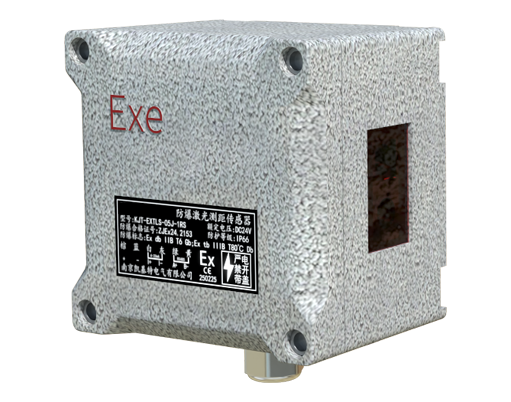
In practice, laser proximity sensors are deployed across diverse sectors. In logistics, they automate warehouse sorting by detecting parcel dimensions and positions. In quality control, they measure thickness or detect defects on production lines. Safety applications include monitoring hazardous zones to prevent machinery collisions. As Industry 4.0 advances, these sensors are increasingly paired with AI and IoT platforms, enabling predictive maintenance and adaptive manufacturing. For example, smart sensors can self-calibrate or alert operators to potential issues, reducing downtime. Despite higher initial costs compared to conventional sensors, their long-term benefits—such as improved accuracy, reduced waste, and enhanced productivity—justify the investment for many industries.
Looking ahead, innovations in laser technology promise even greater capabilities. Developments in miniaturization and energy efficiency are making sensors more compact and sustainable, while advancements in wavelength tuning allow for better material discrimination. As automation expands globally, laser proximity sensors will continue to evolve, driving efficiency and precision in an increasingly connected industrial landscape. By understanding their principles and applications, engineers can leverage these tools to build smarter, more responsive systems that meet the challenges of modern manufacturing.
