Capacitive proximity sensors have emerged as a cornerstone technology in industrial automation, offering unparalleled precision in non-contact detection of a wide array of materials. Unlike their inductive counterparts, which are limited to metallic objects, capacitive sensors can detect virtually any substance, including liquids, plastics, wood, and granular materials, by measuring changes in capacitance. This fundamental principle involves the sensor and the target object forming an electrode pair. As the target approaches the sensor's active face, it alters the dielectric constant of the surrounding space, thereby changing the capacitance of the oscillator circuit. When this change reaches a predetermined threshold, the sensor triggers an output signal.
The operational efficacy of capacitive sensors is profoundly influenced by their inherent design and environmental factors. Key performance metrics include sensing distance, response frequency, and environmental robustness. Standard sensing distances typically range from a few millimeters to about 25 millimeters, with factors such as the target material's dielectric constant, size, and the sensor's mounting conditions playing critical roles. For instance, materials with high dielectric constants, like water or metals, are detected at greater distances compared to low-constant materials like dry wood or certain plastics. Advanced models feature sensitivity adjustment potentiometers, allowing engineers to fine-tune the sensing range and mitigate false triggers caused by background interference or material variations. This adjustability is crucial in complex applications such as fill-level monitoring in opaque containers or detecting the presence of adhesive labels on packaging lines.
In practical industrial settings, the impact of capacitive sensors on system reliability and efficiency is substantial. A primary advantage is their ability to function reliably in harsh environments. Many sensors are encased in robust housings rated IP67 or higher, providing excellent resistance to dust, moisture, and chemical splashes. This durability makes them ideal for applications in food and beverage processing, pharmaceutical manufacturing, and woodworking, where contaminants are prevalent. Furthermore, their non-contact nature eliminates mechanical wear and tear, ensuring a long operational lifespan and reducing maintenance costs. In bottling plants, for example, capacitive sensors accurately detect liquid levels in glass or plastic bottles without physical contact, preventing contamination and ensuring precise fill heights. Similarly, in assembly lines, they verify the presence of non-metallic components, such as gaskets or plastic caps, before critical assembly stages, thereby enhancing quality control.
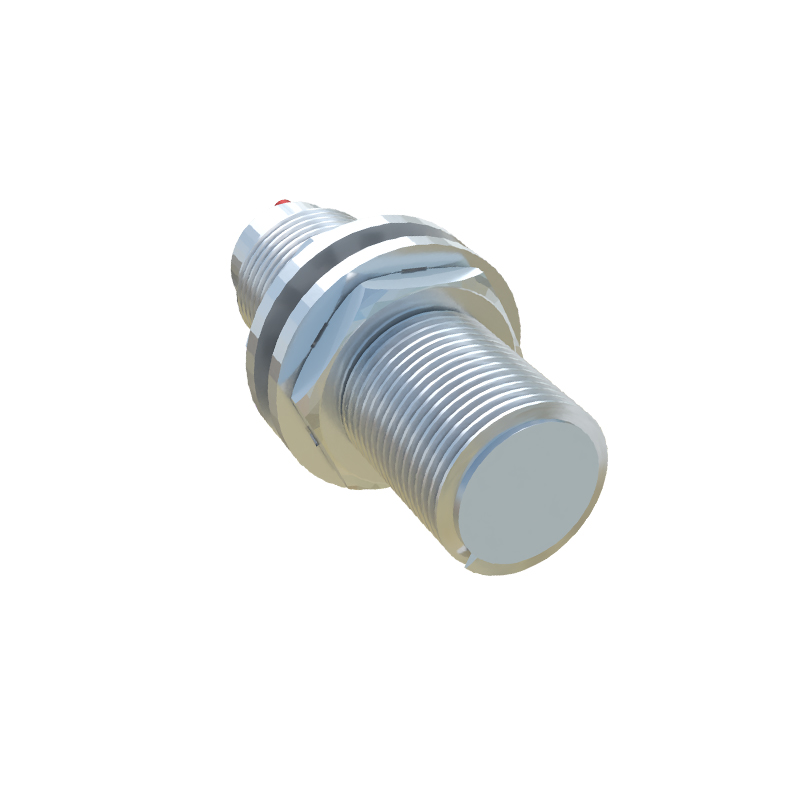
The integration of capacitive sensors with modern control systems, such as PLCs (Programmable Logic Controllers) and IoT (Internet of Things) platforms, further amplifies their effectiveness. Smart sensors with IO-Link communication capabilities can transmit not just binary on/off signals but also diagnostic data, including operating temperature, signal strength, and potential contamination warnings. This facilitates predictive maintenance, allowing technicians to address issues before they lead to downtime. The consistent and accurate detection provided by these sensors is vital for maintaining high-speed production cycles. Any delay or error in detection can cause jams, product waste, or equipment damage, making the sensor's repeatability—often within micrometers—a critical performance parameter.
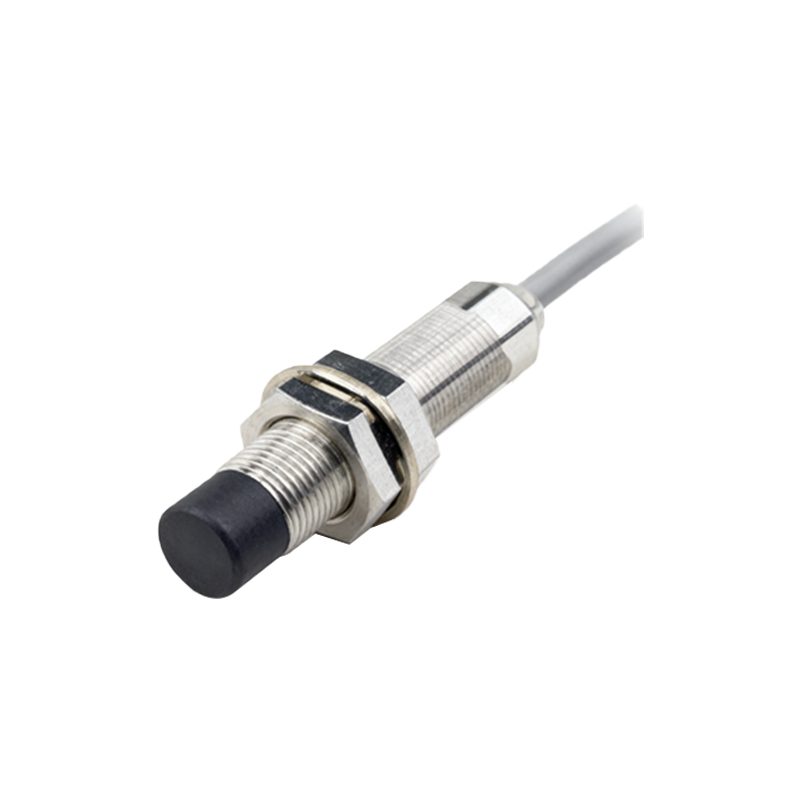
Despite their versatility, deploying capacitive sensors requires careful consideration. Engineers must account for the influence of the installation environment. Conductive materials in the background or adjacent machinery can create parasitic capacitance, potentially reducing the effective sensing range or causing instability. Proper shielding and mounting techniques, such as ensuring a flush installation in metal surfaces or maintaining adequate clearance from other objects, are essential for optimal performance. Additionally, for liquid detection, factors like foam, bubbles, or coating residues on container walls must be evaluated, as they can affect the dielectric properties and require sensor calibration adjustments.
Looking ahead, advancements in materials science and microelectronics continue to push the boundaries of capacitive sensing technology. The development of sensors with enhanced immunity to electromagnetic interference (EMI), wider operating temperature ranges, and miniaturized form factors is ongoing. These innovations will unlock new applications in emerging fields like flexible electronics and precision agriculture. In conclusion, capacitive proximity sensors are indispensable tools in the industrial engineer's arsenal. Their ability to reliably detect diverse materials in challenging conditions directly translates to improved process automation, enhanced product quality, and increased operational efficiency. By understanding their operating principles and application nuances, engineers can fully leverage their potential to build more resilient and intelligent industrial systems.