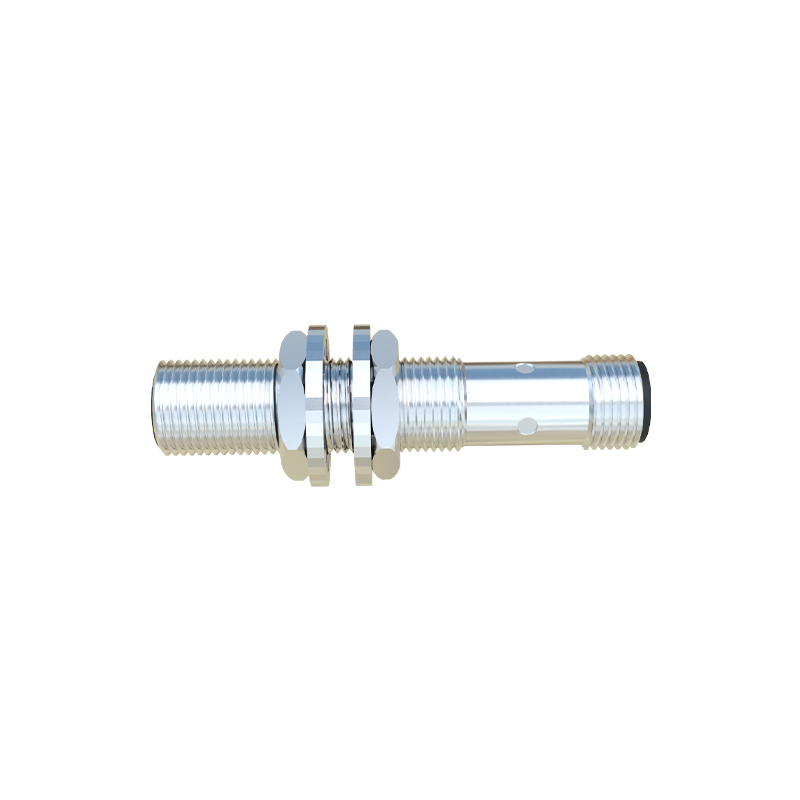
Proximity sensor devices have become indispensable components in modern industrial automation, offering reliable non-contact detection of objects within a defined range. These sensors operate on various principles, including inductive, capacitive, ultrasonic, and optical technologies, each tailored to specific environmental and material requirements. Inductive proximity sensors, for instance, excel in detecting metallic objects by generating an electromagnetic field, making them ideal for harsh manufacturing environments where dust, oil, or moisture is present. Capacitive sensors, on the other hand, can detect both metallic and non-metallic materials, such as plastics or liquids, by measuring changes in capacitance, thus expanding their utility in packaging, food processing, and material handling applications.
The selection of an appropriate proximity sensor hinges on factors like sensing distance, response time, environmental conditions, and target material. For example, in high-speed assembly lines, sensors with fast response times—often in microseconds—are critical to maintaining efficiency and preventing downtime. Ultrasonic sensors, which use sound waves to detect objects, are particularly effective in applications requiring longer sensing ranges or where the target has varying surface properties. Optical proximity sensors, including infrared and laser types, provide precise detection for clean environments but may be less suitable in areas with heavy contamination or ambient light interference.
Installation and calibration are equally vital to ensure optimal performance. Proper mounting alignment, avoidance of mutual interference between multiple sensors, and regular maintenance checks can significantly extend device lifespan and accuracy. Advanced features, such as analog output for distance measurement or IO-Link communication for real-time diagnostics, further enhance integration with industrial control systems like PLCs. As Industry 4.0 evolves, proximity sensors are increasingly embedded with smart capabilities, enabling predictive maintenance and data-driven optimization.
In summary, proximity sensor devices play a pivotal role in enhancing safety, efficiency, and automation across industries. By understanding their operating principles and application-specific demands, engineers can deploy these sensors to streamline processes, reduce manual intervention, and support innovative technological advancements.