In the realm of industrial automation and control, proximity sensors are indispensable for non-contact object detection. Among the various technologies available, capacitive proximity sensors stand out for their unique operating principle and versatile application range. Unlike their inductive counterparts that detect only metals, capacitive sensors can detect a wide array of materials, including liquids, powders, plastics, glass, and wood, making them a highly flexible solution for diverse industrial challenges.
The fundamental principle of a capacitive proximity sensor is based on the concept of capacitance. The sensor essentially forms one plate of a capacitor, with the target object acting as the other plate. The sensor's face and the surrounding environment create an electrostatic field. When a target object enters this detection field, it alters the dielectric constant and thus the capacitance of the system. The sensor's internal oscillator circuit is tuned to trigger a state change (typically an output signal) when this capacitance reaches a specific threshold. This change is then processed by the sensor's circuitry to switch its solid-state output.
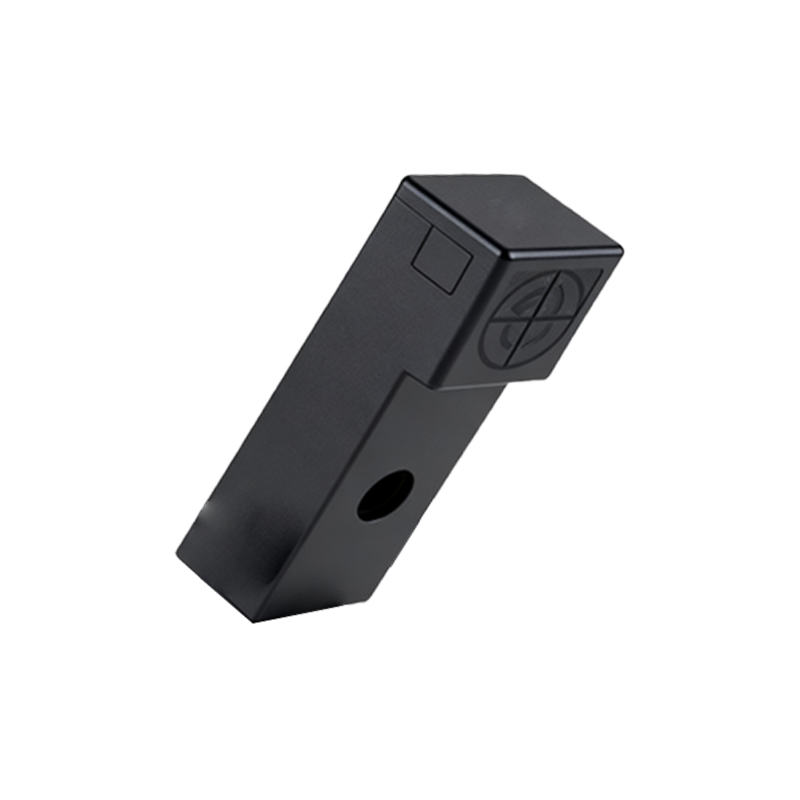
Key performance characteristics define a capacitive sensor's capability. The sensing distance, or nominal range, is a critical specification, typically ranging from a few millimeters to about 40 millimeters for standard models. It is important to note that this range is influenced by the target material's dielectric constant; materials with higher constants (like water) can be detected from a greater distance than those with lower constants (like certain plastics). Another vital characteristic is the hysteresis, which is the difference between the switch-on and switch-off points. This feature prevents output chattering when a target is at the edge of the detection range, ensuring stable operation. Furthermore, most modern capacitive sensors feature sensitivity adjustment potentiometers, allowing engineers to fine-tune the sensing field to ignore background materials (like a container wall) and focus on the target material itself.
The applications for capacitive proximity sensors are extensive. In packaging and bottling lines, they reliably detect the presence of liquid levels inside non-metallic containers, whether glass or plastic bottles. In the wood and paper industry, they monitor stack heights of sheets or boards. They are crucial in agricultural and food processing for granular and powder level detection in silos and hoppers. A common and critical use is in leak detection, where the sensor can identify the presence of a liquid on a floor, triggering an alarm. Their ability to see through certain non-metallic walls also allows for hygienic, non-invasive sensing in pharmaceutical or food applications.
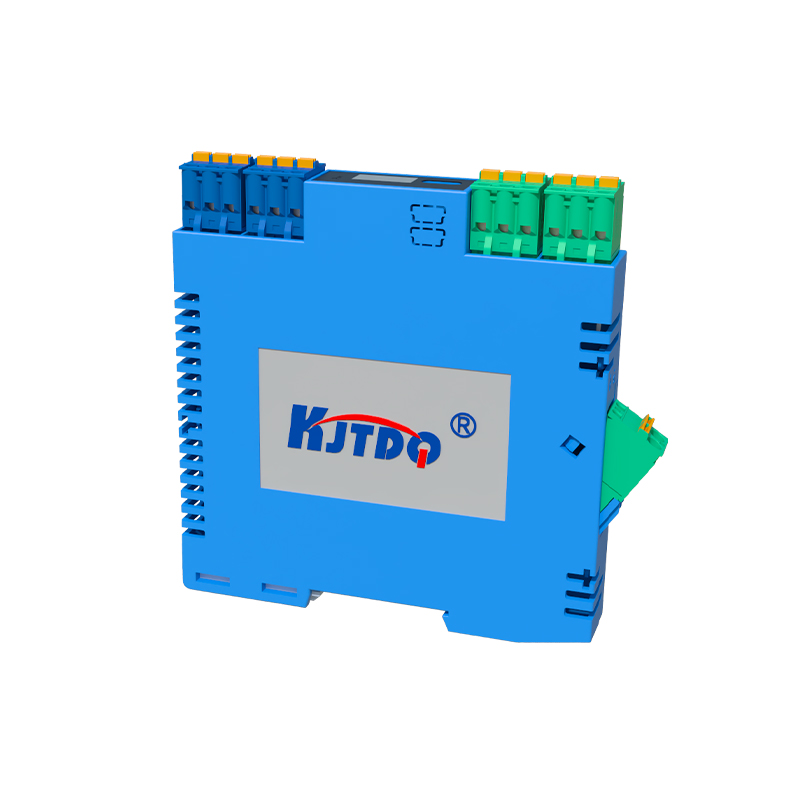
Selecting the right capacitive sensor requires careful consideration of several factors. First, identify the target material and its properties, as this directly affects the achievable sensing range. Next, consider the environmental conditions: Will the sensor be exposed to dust, moisture, or temperature extremes? Sensors with appropriate Ingress Protection (IP) ratings, such as IP67 or IP69K, are necessary for harsh washdown environments common in food and beverage plants. The required output type (PNP/NPN, NO/NC) must match the control system's input card (sinking or sourcing). Housing material is another factor; stainless steel housings offer superior chemical resistance for aggressive environments, while plastic housings may be suitable for lighter duties. Finally, form factor—barrel-style or rectangular—must be chosen based on the available mounting space.
Installation and setup are straightforward but crucial for optimal performance. Ensure the sensor is mounted securely to prevent vibration-induced false triggers. The sensing field is not a perfect sphere; it extends from the front and sides of the sensor. Therefore, maintaining adequate clearance from surrounding metal objects (typically 2-3 times the sensor diameter) is essential to prevent shielding effects. During setup, use the sensitivity adjustment. With no target present, increase the sensitivity until the output activates, then back it off slightly until it deactivates. This provides the optimal setting for reliable detection of the intended target.
In comparison to other technologies, capacitive sensors fill a specific niche. Inductive sensors are more stable and have longer ranges for metals but are blind to non-metals. Ultrasonic sensors offer much longer ranges and are excellent for distance measurement but can be affected by temperature gradients and soft materials that absorb sound. Photoelectric sensors are fast and have long ranges but can struggle with transparent objects or in dirty, dusty environments where the lens may become obscured.
In conclusion, capacitive proximity sensors are a powerful and adaptable tool in an automation engineer's arsenal. Their ability to detect virtually any material through non-metallic barriers solves a wide range of detection problems that other sensor types cannot address. By understanding their operating principle, key specifications, and proper application guidelines, engineers can effectively leverage these sensors to enhance system reliability, efficiency, and flexibility across countless industries, from manufacturing and packaging to food processing and beyond.