In the realm of industrial automation and control systems, proximity sensors are indispensable components for non-contact object detection. Among the primary classifications of these sensors, the distinction between Direct Current (DC) and Alternating Current (AC) powered models is fundamental. This article delves into the technical nuances, operational principles, and application-specific considerations of DC and AC proximity sensors, providing a clear guide for selection and implementation.
Fundamental Operating Principles
At their core, both DC and AC proximity sensors function by generating an electromagnetic field. When a metallic or, in some cases, non-metallic target enters this field, it causes a change in the sensor's oscillation amplitude or other electrical characteristics. This change is detected by the internal circuitry, which then triggers a switching signal (ON/OFF). The key difference lies in how this signal is processed and the type of power they require.
DC Proximity Sensors: Precision and Versatility
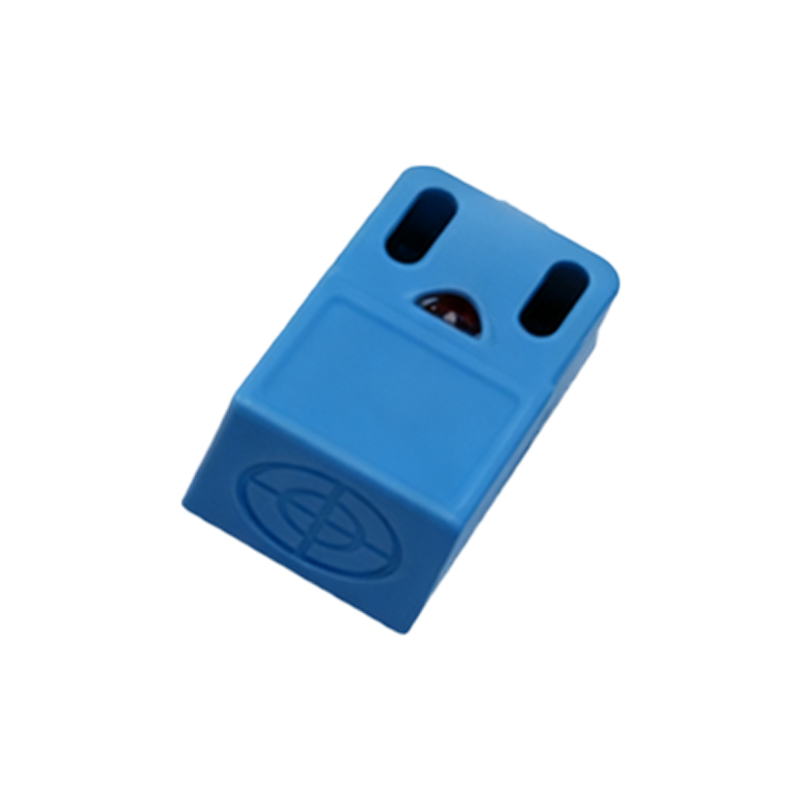
DC proximity sensors are predominantly powered by low-voltage DC supplies, typically ranging from 10-30V DC. They are the most common type found in modern industrial settings.
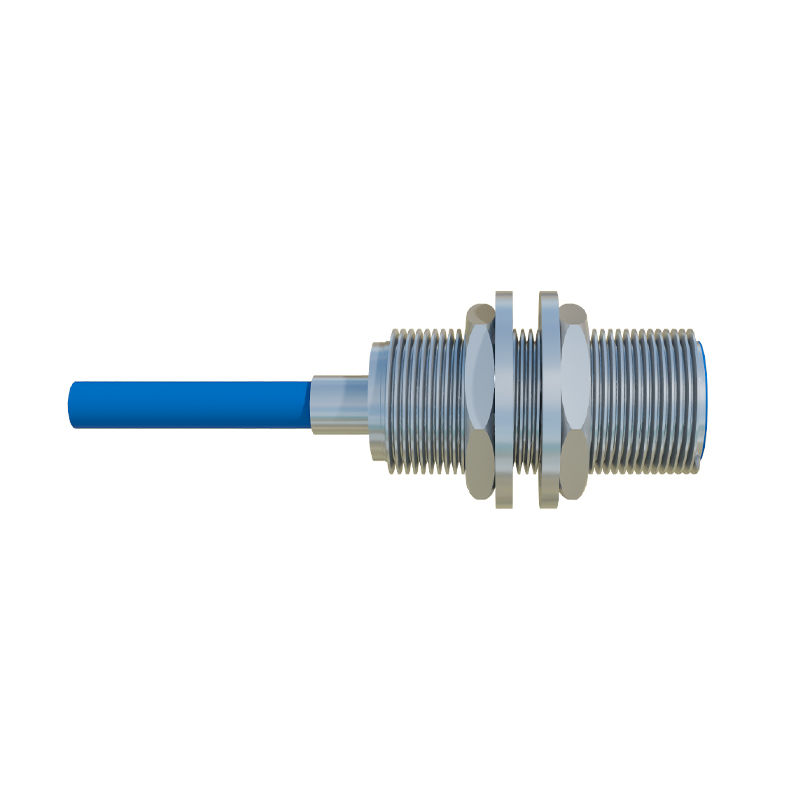
Switching Output: They primarily feature solid-state outputs, either NPN (sinking) or PNP (sourcing) transistor configurations. This allows for direct interfacing with programmable logic controllers (PLCs), microcontrollers, and other DC-based control logic.
Switching Frequency: DC sensors generally offer higher switching speeds, often exceeding several kilohertz. This makes them ideal for high-speed counting, sorting, and positioning applications where rapid detection cycles are critical.
Wiring and Compatibility: The standard 3-wire configuration (+, -, signal) is straightforward. Their compatibility with contemporary electronic control systems is a significant advantage. Many modern DC sensors also incorporate advanced diagnostics, such as short-circuit protection, overload protection, and LED status indicators.
Application Scope: They are exceptionally versatile, used in robotics, packaging machinery, assembly lines, and automotive manufacturing. Both shielded (flush-mountable) and unshielded (non-flush mountable) variants are available for different installation needs.
AC Proximity Sensors: Ruggedness and Direct Interface
AC proximity sensors are designed to operate directly on standard AC line voltage, commonly 120V AC or 240V AC.
Switching Output: Traditionally, they utilize electromechanical relays or, in more modern designs, solid-state AC switches. The output can often directly control higher-power AC loads like solenoids, contactors, or small motors without an intermediate relay, simplifying certain circuits.
Characteristics: They are known for their robust construction and inherent resistance to voltage transients common in industrial power lines. However, they typically have a lower switching frequency compared to DC models and may produce audible noise during operation due to the AC oscillation.
Application Scope: Their classic application is in environments where control logic is directly powered by AC, or where a sensor needs to directly switch an AC load. They are frequently found in older machinery, heavy-duty material handling systems, and applications where only AC power is readily available.
Critical Comparison and Selection Criteria
Choosing between DC and AC involves several technical and practical factors:
1. Power Supply Availability: The existing control system architecture is the foremost deciding factor. Modern systems are overwhelmingly DC-based.
2. Switching Speed: For high-speed applications, DC sensors are unequivocally superior.
3. Load Compatibility: If the sensor must directly control an AC coil or device, an AC sensor simplifies wiring. For PLC input, a DC sensor is required.
4. Wiring Considerations: DC sensors (3-wire) require careful attention to sinking vs. sourcing to match the PLC input card. AC sensors (typically 2-wire) wire in series with the load, similar to a switch, but must consider residual current and leakage.
5. Environmental Factors: Both types are available in rugged, IP-rated housings. AC sensors may have an edge in extremely noisy electrical environments, but modern DC sensors with robust shielding are highly resilient.
Conclusion and Industry Trend
The clear trend in industrial automation favors DC-powered proximity sensors. Their high speed, compatibility with programmable controllers, lower heat generation, and advanced diagnostic features align with the needs of smart, connected factories. AC sensors remain relevant for specific retrofit applications or direct AC load control. Ultimately, the choice is not about which is universally better, but which is optimally suited for the specific electrical environment, control system, and performance requirements of the application. A thorough analysis of these parameters ensures reliable, efficient, and long-lasting sensor integration.