Selecting the appropriate proximity sensor is a critical decision in industrial automation and control systems. These non-contact devices detect the presence or absence of objects, playing a vital role in positioning, counting, inspection, and safety applications. An incorrect selection can lead to system failures, reduced efficiency, and increased downtime. This guide outlines the fundamental criteria engineers must evaluate to ensure optimal sensor performance and reliability.
The first and foremost consideration is the sensing technology. Inductive proximity sensors are the most common, used exclusively for detecting metallic objects. They generate an electromagnetic field and react to eddy current losses in the target. Capacitive sensors, on the other hand, can detect both metallic and non-metallic materials (like plastics, wood, or liquids) by sensing changes in capacitance. Ultrasonic sensors use sound waves and are suitable for detecting objects at greater distances or under challenging conditions, such as transparent or variably colored items. Photoelectric sensors utilize light beams and are excellent for long-range detection and small object sensing. The nature of the target material is the primary driver for this choice.
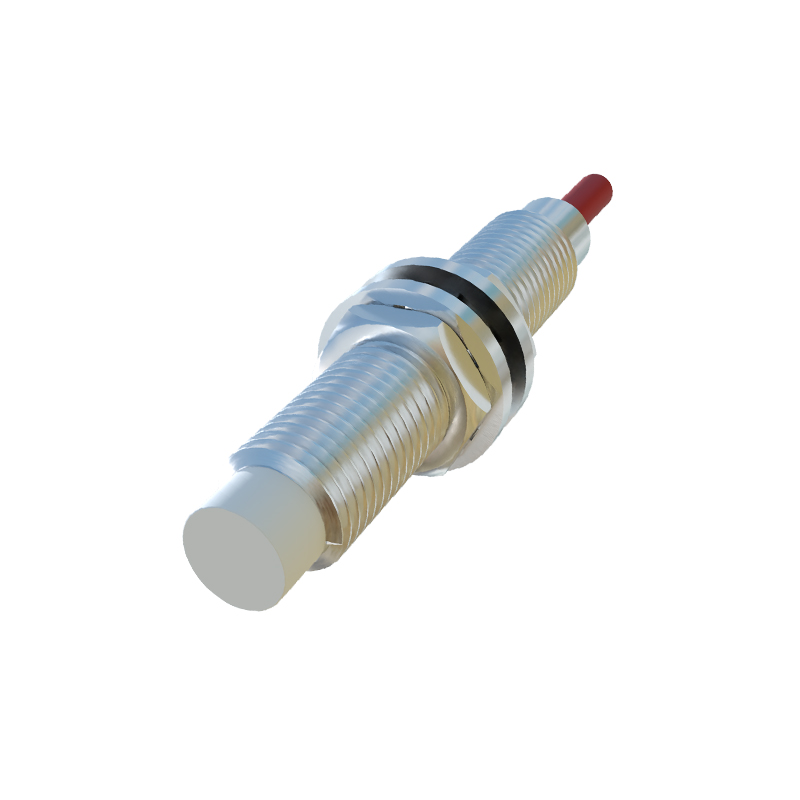
Next, the operating specifications must align with the application's demands. The sensing distance, or nominal range, is crucial. It must account for installation tolerances and potential target variations; typically, a 10-20% derating from the catalog specification is recommended for reliable operation. The switching frequency defines how quickly the sensor can respond to objects passing by, which is essential for high-speed counting or sorting lines. Environmental factors are non-negotiable. Engineers must consider the ambient temperature range, potential exposure to chemicals, oils, or coolants, and the ingress protection (IP) rating required for dust and water resistance. For washdown areas in food and beverage industries, sensors with IP67, IP68, or IP69K ratings are mandatory.
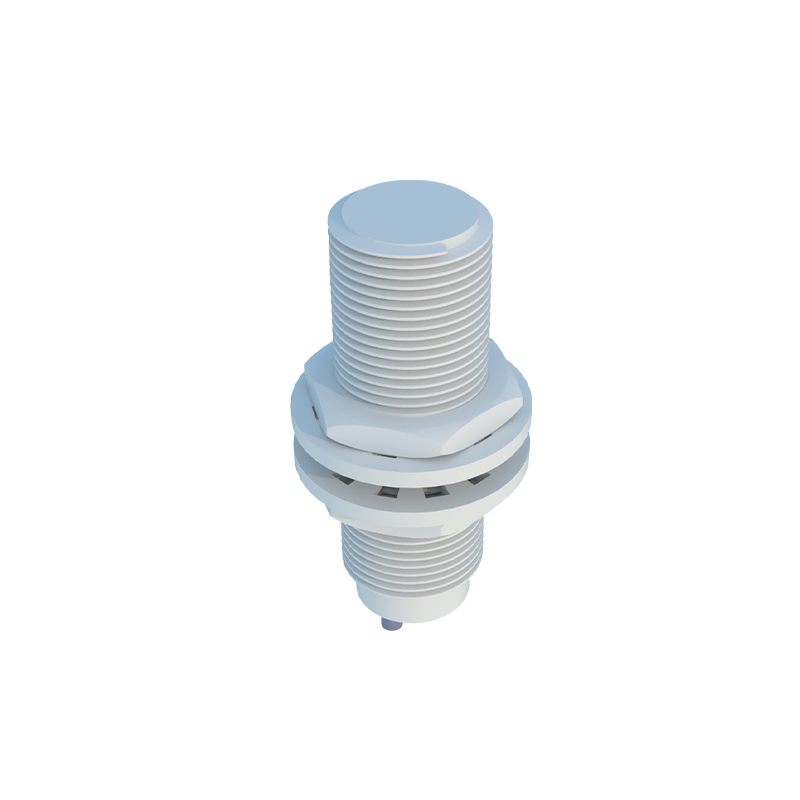
Electrical characteristics directly interface with the control system. The operating voltage (e.g., 10-30V DC, 90-250V AC) and output type (PNP/NPN sinking/sourcing for DC, or relay/ solid-state for AC) must be compatible with the PLC or controller. The output current rating must be sufficient to drive the connected load. Physical characteristics, including the sensor's housing shape (barrel, rectangular, ring), size, and mounting method (flush or non-flush for inductive types), are determined by the available space and installation constraints. Flush-mounted inductive sensors can be embedded in metal without interference, while non-flush types offer longer sensing ranges.
Finally, special application requirements may dictate additional features. For welding environments, sensors with weld-field immunity are necessary to resist magnetic interference. In settings with multiple sensors closely spaced, models with short-circuit protection and mutual interference prevention are vital. For precise positioning tasks, analog output sensors providing a continuous signal proportional to distance offer more control than simple on/off switching.
In conclusion, a systematic approach to proximity sensor selection involves analyzing the target material, defining precise operational requirements, ensuring electrical and physical compatibility, and accounting for any harsh or specific environmental conditions. Consulting detailed manufacturer datasheets and, when in doubt, requesting samples for real-world testing are best practices that prevent costly errors and ensure a robust, maintenance-free operation in any industrial setting.