In industrial settings where flammable gases, vapors, or combustible dusts are present, standard proximity sensors pose a significant risk of ignition. This is where custom explosion-proof proximity switch sensors become not just an option, but a critical necessity for operational safety and regulatory compliance. These specialized devices are engineered to contain any potential spark or thermal effect within their robust housings, preventing the ignition of the surrounding hazardous atmosphere.
The core principle behind an explosion-proof proximity sensor is its ability to withstand an internal explosion of specified gases or vapors and to prevent the ignition of the external atmosphere. This is achieved through meticulously designed enclosures constructed from durable materials like stainless steel or brass, with precisely machined flame paths. These flame paths, often in the form of threaded joints or narrow gaps, cool any escaping hot gases from an internal fault below the ignition temperature of the external environment. Unlike intrinsic safety, which limits energy, explosion-proof design contains the explosion.
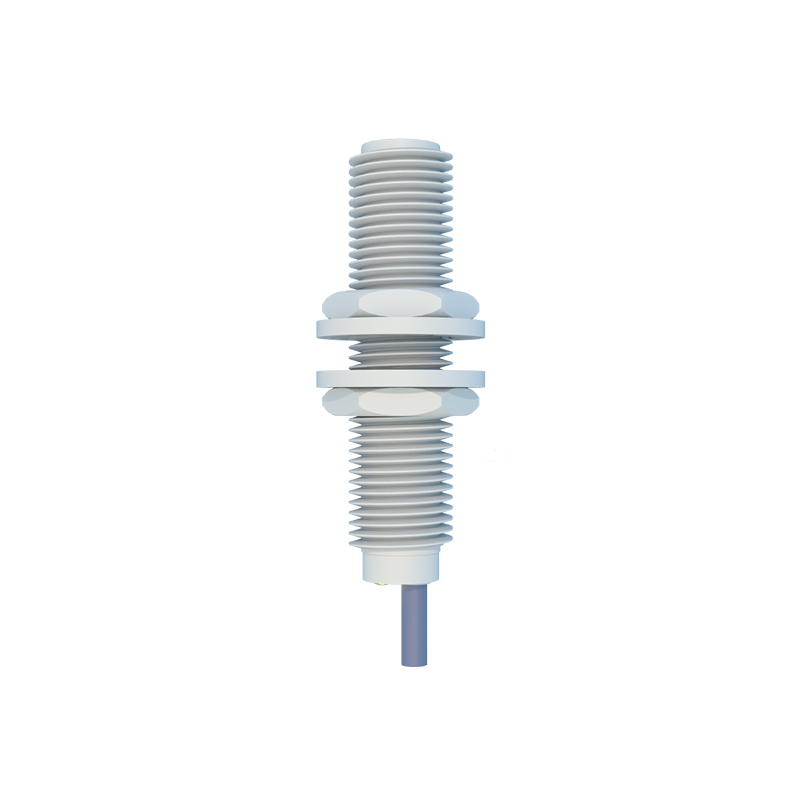
Customization is paramount because hazardous locations are not uniform. Factors such as the specific type of hazard (Class I for gases/vapors, Class II for dusts, Class III for fibers), the likelihood of its presence (Division or Zone classification), and the auto-ignition temperature of the substances dictate the required protection level. A sensor designed for a Zone 1 methane-rich environment in a mining application will have different specifications than one needed for a Zone 21 grain silo with combustible dust. Customization addresses these variables directly.
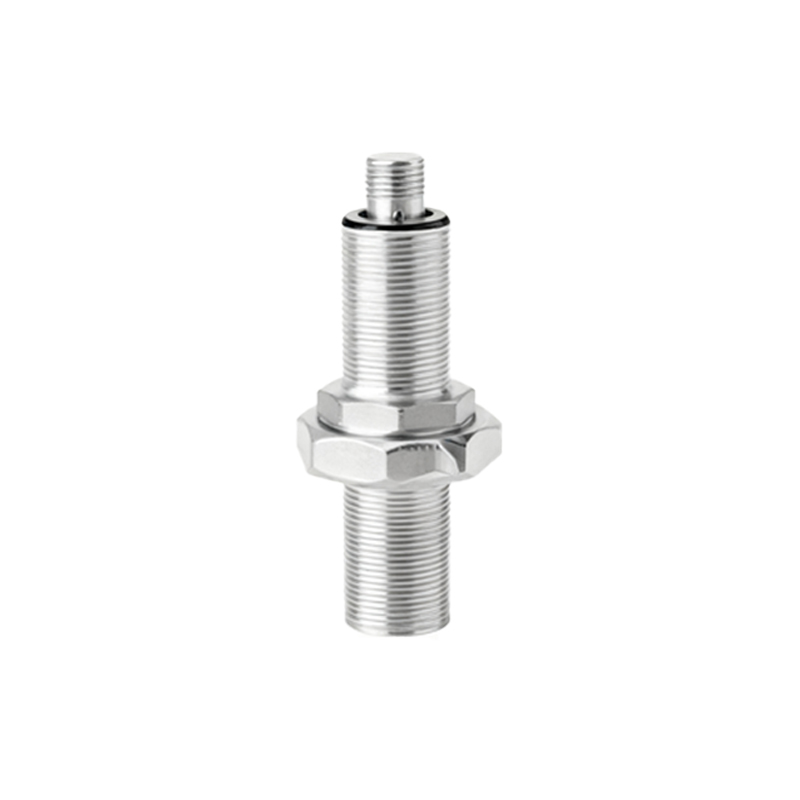
Key customization parameters include the housing material and ingress protection (IP) rating. For corrosive environments, 316L stainless steel or specially coated alloys are specified. The required IP rating, such as IP67 or IP69K, ensures protection against dust and high-pressure water jets, which is common in washdown areas of pharmaceutical or food processing plants within hazardous zones. The sensing technology itself—inductive, capacitive, or ultrasonic—is selected based on the target material. For instance, a capacitive sensor might be customized to detect non-metallic objects like plastic containers in an explosive dust atmosphere.
Output configuration is another critical aspect of customization. Clients may require specific output types (PNP/NPN, NO/NC, analog, or IO-Link) and electrical connections (cable glands, M12 or M23 connectors) to seamlessly integrate with existing control systems. The sensing range, response frequency, and temperature tolerance are fine-tuned to the application's exact mechanical and process requirements. For high-vibration areas like offshore platforms, sensors with enhanced mechanical stability and secure, vibration-resistant mounting are custom-designed.
The development process for a custom explosion-proof proximity sensor begins with a thorough hazard analysis and a review of applicable standards like ATEX, IECEx, or NEC. Engineers collaborate closely with the client to define every parameter. Prototypes are then built and subjected to rigorous testing in certified laboratories to obtain the necessary explosion-proof certification for the designated zone. This end-to-end process ensures the final product is not only safe but also optimized for reliability and longevity in its specific harsh operating conditions.
Investing in custom-engineered explosion-proof proximity switches mitigates the catastrophic risk of fire or explosion, ensuring personnel safety and protecting valuable assets. It minimizes downtime by providing a sensor perfectly suited to the environment, reducing false trips and failures. In a landscape governed by strict safety regulations, a tailored solution offers peace of mind and demonstrates a proactive commitment to operational integrity. Ultimately, in hazardous environments, the precision of a custom-fit sensor is the cornerstone of a safe and efficient automation system.