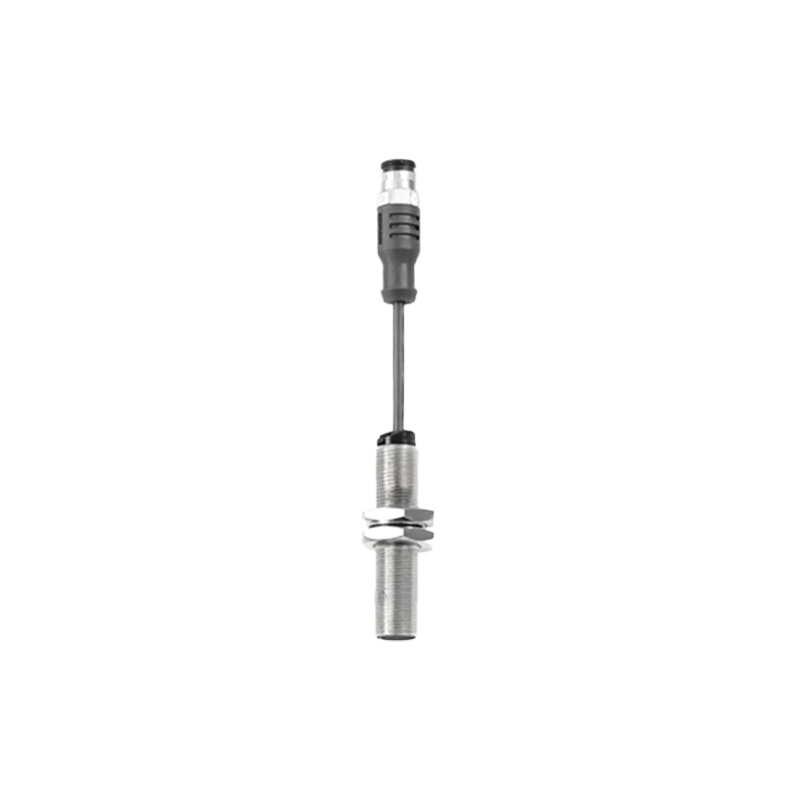
Proximity sensing technology has revolutionized industrial automation by enabling machines to automatically detect the presence of humans or objects without physical contact. This capability is fundamental to enhancing safety, optimizing energy efficiency, and streamlining operational workflows. In modern industrial settings, sensors designed to automatically acquire data on human proximity are integral to smart manufacturing, robotics, and building management systems.
The core principle behind automatic human proximity detection involves the use of various sensing modalities. Common technologies include infrared (IR) sensors, ultrasonic sensors, capacitive sensors, and microwave or radar-based sensors. Each type operates on distinct physical principles. For instance, passive infrared (PIR) sensors detect changes in infrared radiation emitted by warm bodies, making them ideal for occupancy detection in lighting or climate control systems. Active IR sensors, on the other hand, emit an infrared beam and measure its reflection to gauge distance. Ultrasonic sensors function by emitting high-frequency sound waves and calculating the time delay of the reflected echo, providing reliable detection even in challenging environmental conditions like dust or vapor. Capacitive sensors detect changes in an electrostatic field caused by the presence of a conductive object like the human body, offering high sensitivity for close-range applications. More advanced systems employ microwave Doppler radar or 3D time-of-flight (ToF) cameras, which can not only detect presence but also track movement speed and direction with high accuracy.
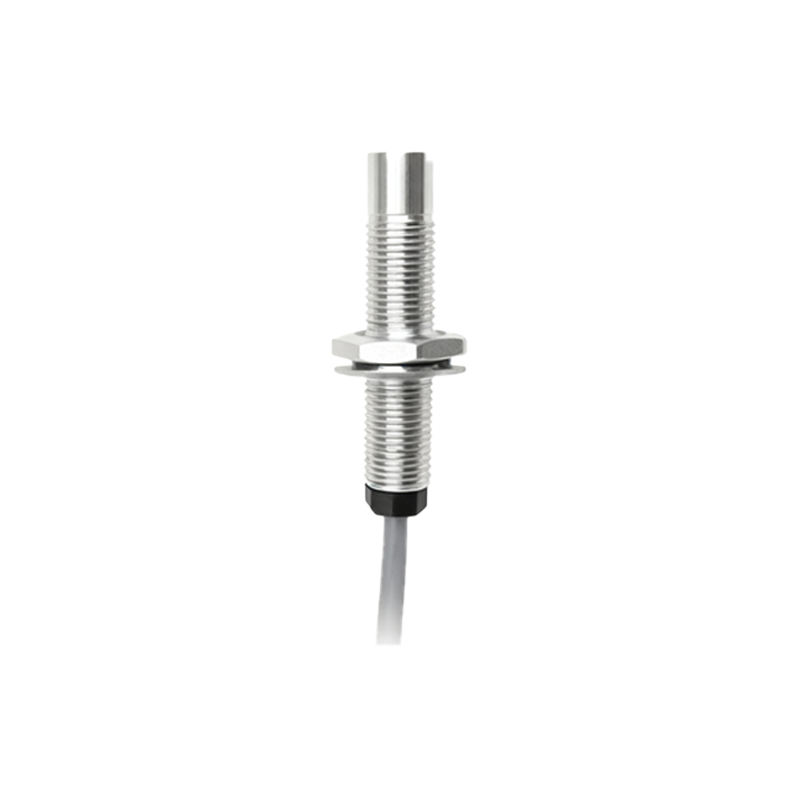
The integration of these sensors into automated systems requires careful consideration of factors such as detection range, response time, environmental robustness, and power consumption. In industrial safety applications, for example, proximity sensors are critical components of safety light curtains and area guarding systems. They instantly halt machinery when a worker enters a hazardous zone, preventing accidents. In collaborative robotics (cobots), proximity sensors allow robots to slow down or stop operations when a human coworker approaches, ensuring safe human-robot interaction. Beyond safety, energy management benefits significantly. Smart buildings utilize networks of occupancy sensors to control lighting, heating, ventilation, and air conditioning (HVAC) systems. Rooms are automatically illuminated and climate-controlled only when occupied, leading to substantial reductions in energy waste.
The evolution towards Industry 4.0 and the Industrial Internet of Things (IIoT) has further amplified the role of proximity sensing. Modern sensors are increasingly equipped with digital interfaces (e.g., IO-Link, Ethernet/IP) and embedded intelligence. They can communicate directly with programmable logic controllers (PLCs) or cloud-based platforms, providing not just binary presence/absence signals but also diagnostic data and predictive maintenance alerts. Machine learning algorithms can analyze sensor data patterns to distinguish between human presence and other moving objects, reducing false triggers and improving system reliability.
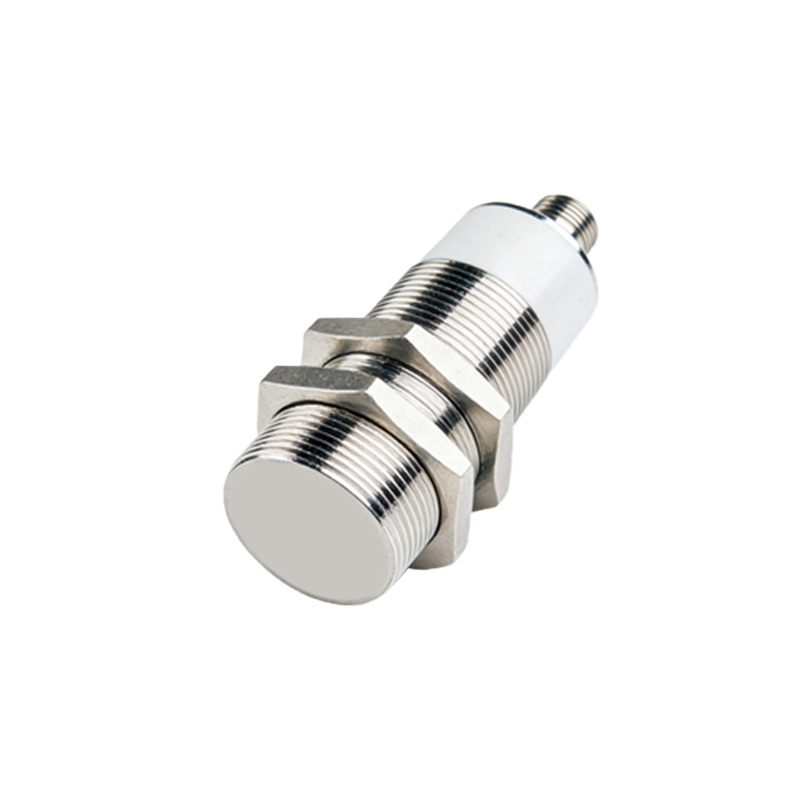
However, implementing an effective automatic proximity detection system presents challenges. Sensor selection must align with the specific application: a capacitive sensor might be perfect for a touchless faucet but unsuitable for a long-range vehicle detection system. Environmental interference—such as temperature fluctuations, ambient noise, or electromagnetic interference—can affect sensor performance. Therefore, proper installation, calibration, and shielding are paramount. Furthermore, privacy concerns arise in applications where sensor data could be used for employee monitoring, necessitating clear policies and data anonymization practices.
Looking ahead, advancements in sensor fusion—combining data from multiple sensor types—and the development of low-power, wide-area wireless sensors will drive further innovation. These technologies will enable more nuanced contextual awareness in industrial environments, paving the way for fully adaptive and responsive automated systems. The automatic acquisition of human proximity data is no longer a mere convenience; it is a cornerstone of intelligent, safe, and efficient industrial operations.