In the realm of industrial automation and machine control, proximity sensors are indispensable components for non-contact object detection. Among the various types available, non-flush or embedded mounting proximity sensors hold a distinct and critical position. Unlike their flush-mounted counterparts, these sensors are designed to be installed with their sensing face recessed into a metal bracket or mounting surface. This design characteristic fundamentally alters their operational behavior and application suitability.
The core working principle of most embedded inductive proximity sensors is based on electromagnetic field generation and eddy current detection. An oscillator circuit within the sensor generates a high-frequency alternating magnetic field that radiates from the sensing face. When a conductive metal target enters this active field, eddy currents are induced on the target's surface. These currents draw energy from the sensor's oscillator, causing a reduction in its amplitude. A subsequent evaluation circuit detects this amplitude change and triggers a switching output—typically a solid-state PNP, NPN, or a relay contact. The key differentiator for the embedded style is the shape of the magnetic field. Because the sensor's sensing face is surrounded by metal (its mounting nut and the material it's sunk into), the magnetic field is more focused and extends forward from the sensor in a more concentrated, narrower pattern. This shielding effect from the surrounding metal is intentional and provides the sensor's defining characteristics.
The primary advantage of this focused field is the ability to achieve a longer sensing range for a given sensor diameter compared to a flush-mounted version. A standard 18mm diameter flush-mounted inductive sensor might have a nominal sensing distance (Sn) of 5mm, whereas an embedded version of the same size could offer 8mm or even 10mm. This extended range provides greater installation flexibility and tolerance for mechanical misalignment. Furthermore, because the field is shielded laterally, embedded sensors are less susceptible to false triggers from adjacent metal objects, such as machine frames, bolts, or other sensors. This makes them ideal for dense installations.
However, these benefits come with specific installation requirements. For the sensor to function correctly and achieve its rated sensing distance, it must be mounted in a correctly sized non-ferrous metal bracket (e.g., aluminum) or with the provided standard steel mounting nut. The surrounding metal must be flush with or recessed from the sensor's sensing face. If the mounting surface is ferrous (like standard steel), it will attenuate the magnetic field, significantly reducing the effective sensing range—a factor that must be carefully accounted for during design. Another consideration is the "side approach" of a target. For embedded sensors, the target should approach axially, head-on. A target sliding in from the side may not be detected until it is directly in front of the sensing face due to the shielded field.
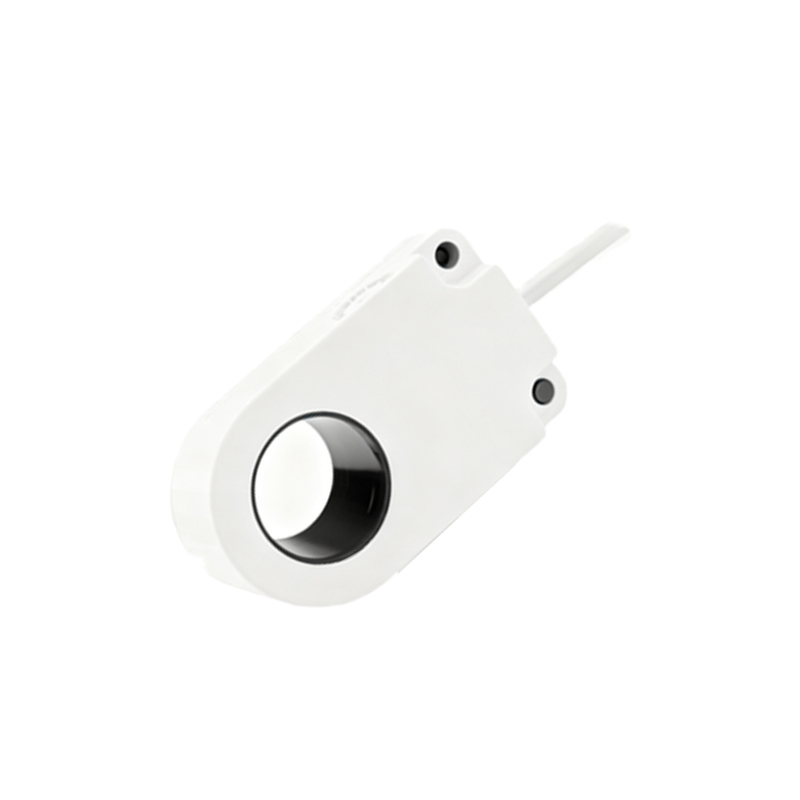
Typical applications for non-flush proximity sensors are numerous across manufacturing and processing industries. They excel in position detection for robotic end-effectors, where space is constrained and sensing needs to be precise. They are widely used in metal stamping and forming presses to confirm part ejection or die protection. In material handling, they monitor the presence of metal parts on conveyors or in sorting systems. Their immunity to adjacent interference makes them perfect for sensing individual pistons in hydraulic or pneumatic cylinders with tight mounting centers. They are also commonly employed in automated assembly lines for verifying the presence of nuts, bolts, or metal components.
Selecting the appropriate embedded proximity sensor requires a systematic evaluation of several parameters beyond just the mounting style. First, determine the target material; standard inductive sensors detect ferrous metals (steel, iron) at the rated distance, while non-ferrous metals (aluminum, copper, brass) reduce the effective range. The sensor size (e.g., M8, M12, M18, M30) should be chosen based on available space and the required sensing distance. The electrical characteristics are crucial: operating voltage (commonly 10-30V DC or 20-250V AC), output type (PNP normally open/closed, NPN, analog, or IO-Link), and current rating. Environmental factors like temperature range, ingress protection (IP67/IP68/IP69K for washdown areas), and resistance to chemicals, oils, or weld spatter must align with the operating conditions. For applications involving different target colors or materials, capacitive embedded sensors might be considered, though their mounting requirements differ.
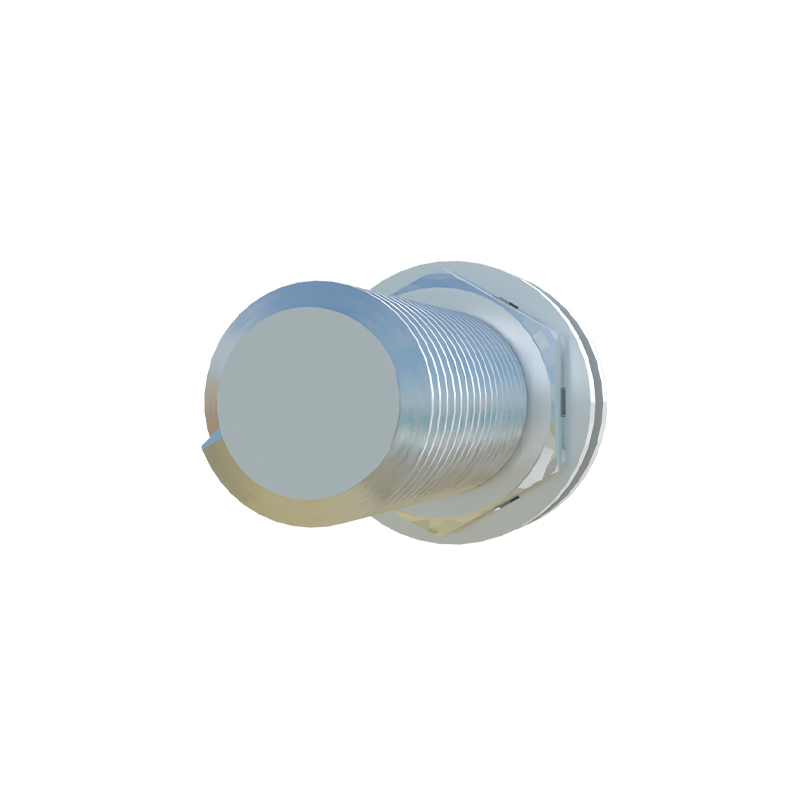
Installation and maintenance best practices are straightforward but vital. Ensure the mounting hole is drilled to the exact recommended diameter and depth to allow proper seating of the sensor. Avoid overtightening the mounting nut, as this can damage the housing. Always perform a final commissioning check with the actual target material at the required distance under real operating conditions, as theoretical values can vary. For maintenance, periodically clean the sensing face of accumulated debris, metal chips,