In the realm of industrial automation and precision sensing, fiber optic proximity sensors have emerged as a critical technology, offering unique advantages in challenging environments where traditional sensors fall short. These sensors operate on the principle of transmitting light through optical fibers to detect the presence, absence, or position of an object without physical contact. The core components typically include a light source (often an LED or laser diode), optical fibers for light transmission, a sensing head, and a photodetector with associated electronics for signal processing.
The fundamental working mechanism can be broadly categorized into two types: through-beam and diffuse reflective. In through-beam configurations, the transmitter and receiver are separate units; an object is detected when it interrupts the light beam traveling between them. This method offers high accuracy and long sensing ranges. Diffuse reflective sensors, on the other hand, house both transmitter and receiver in a single unit. They detect objects based on the light reflected from the target's surface. While generally offering shorter ranges, they are simpler to install and are highly effective for detecting a wide variety of materials, including non-metallic ones.
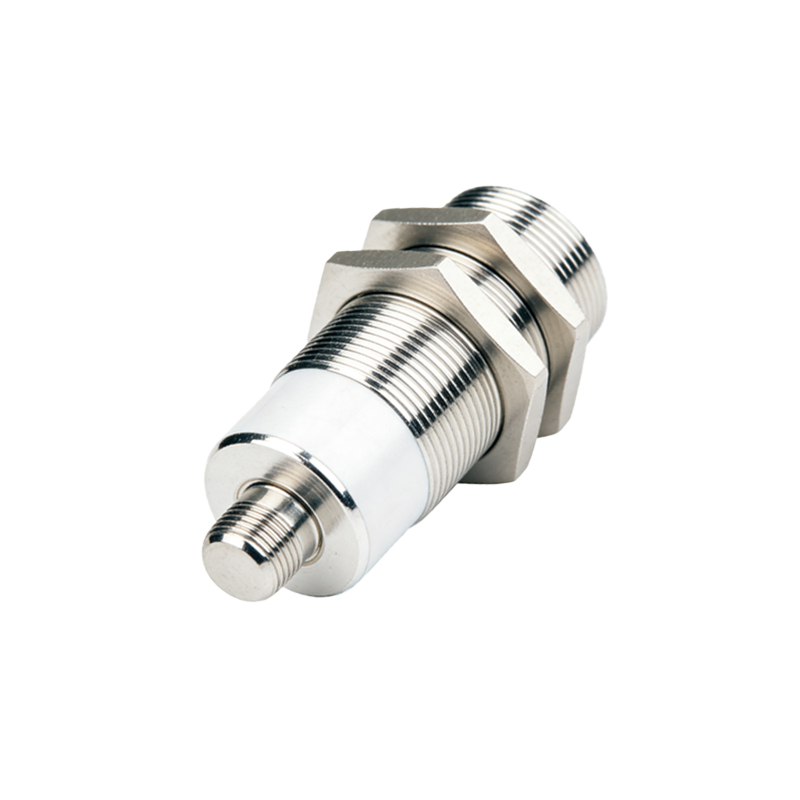
One of the most compelling advantages of fiber optic sensors is their immunity to electromagnetic interference (EMI). This makes them indispensable in applications involving strong magnetic fields, such as near welding equipment, large motors, or induction heaters, where inductive or capacitive sensors would malfunction. Furthermore, the sensing head itself contains no electrical components, allowing it to operate in extreme temperatures, corrosive atmospheres, or high-pressure environments. The small size and flexibility of the optical fibers enable installation in extremely confined spaces, providing design engineers with unprecedented flexibility.
The applications for fiber optic proximity sensors are vast and varied. In the electronics industry, they are used for precise component positioning on circuit boards and detecting miniature parts. Within automotive manufacturing, they monitor assembly processes in paint shops or near robotic welding cells. The food and pharmaceutical sectors benefit from their ability to withstand frequent washdowns with harsh chemicals. They are also pivotal in hazardous areas with explosion risks, as the sensing head poses no ignition threat.
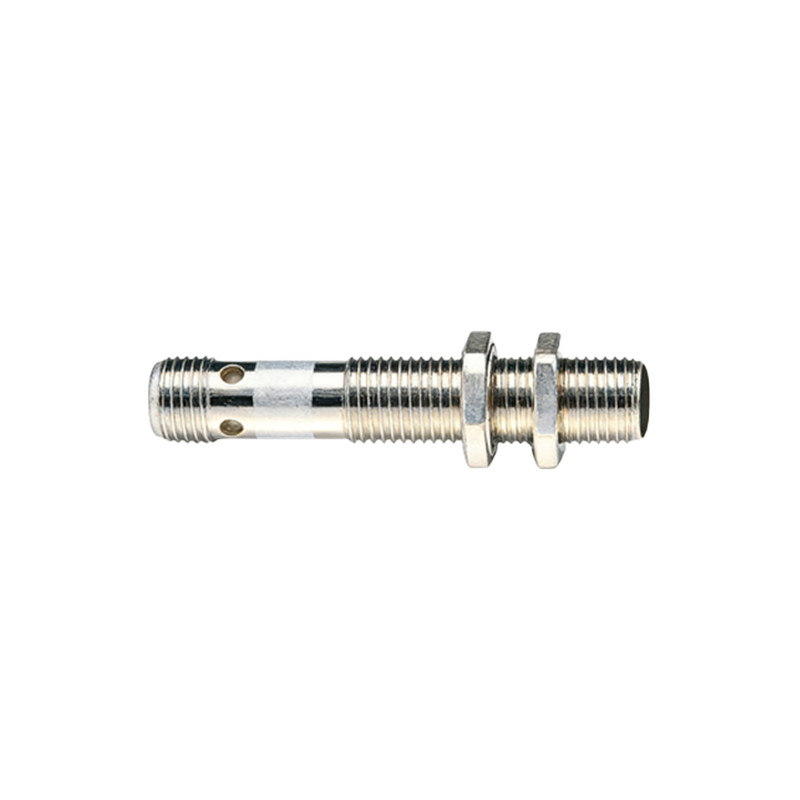
Selecting the appropriate fiber optic sensor requires careful consideration of several parameters. The first is the sensing mode (through-beam vs. diffuse), dictated by the required sensing distance, accuracy, and object characteristics. Material detection capability is crucial; some sensors are tuned for specific colors or materials, utilizing different wavelengths of light (e.g., red, infrared). The required sensing distance and the size of the target object directly influence the choice of fiber optic cable and lens type at the sensing head. Environmental factors like ambient temperature, potential chemical exposure, and mechanical stress must be evaluated to ensure the selected fiber and jacket material (e.g., PVC, polyurethane, Teflon) will survive. Finally, compatibility with the amplifier unit—the device that powers the light source and processes the received signal—is essential. Modern amplifiers offer features like adjustable sensitivity, timers, and various output configurations (PNP/NPN, analog).
Installation and maintenance also present unique considerations. While the fibers are durable, they must be protected from sharp bends below their minimum bend radius to prevent light loss and internal damage. Proper alignment is critical for through-beam sensors to ensure reliable operation. Routine maintenance typically involves keeping the sensing heads clean from dust, oil, or debris that could attenuate the light signal.
In conclusion, fiber optic proximity sensors represent a sophisticated and versatile solution for modern industrial sensing challenges. Their ability to operate reliably in hostile conditions, their precision, and their flexibility make them a powerful tool for engineers designing automated systems. As technology advances, we can expect further miniaturization, integration with industrial IoT for predictive maintenance, and enhanced smart features within amplifier units, solidifying their role in the future of industrial automation.