In the realm of industrial automation and control systems, high precision metal proximity sensors represent a cornerstone of modern engineering. These sophisticated devices are engineered to detect the presence or absence of metallic objects without physical contact, relying on electromagnetic fields or eddy current principles. Their ability to deliver accurate, reliable, and rapid responses makes them indispensable in applications ranging from automotive manufacturing and robotics to aerospace and precision machining.
The core technology behind these sensors often involves inductive or capacitive sensing mechanisms. Inductive proximity sensors, for instance, generate an oscillating electromagnetic field. When a metallic target enters this field, it induces eddy currents that alter the oscillation amplitude, triggering a detection signal. This non-contact operation eliminates mechanical wear, ensuring longevity and reducing maintenance needs. High precision variants are meticulously calibrated to distinguish between different metals, adjust for varying distances, and maintain stability under harsh environmental conditions such as temperature fluctuations, vibration, and contamination.
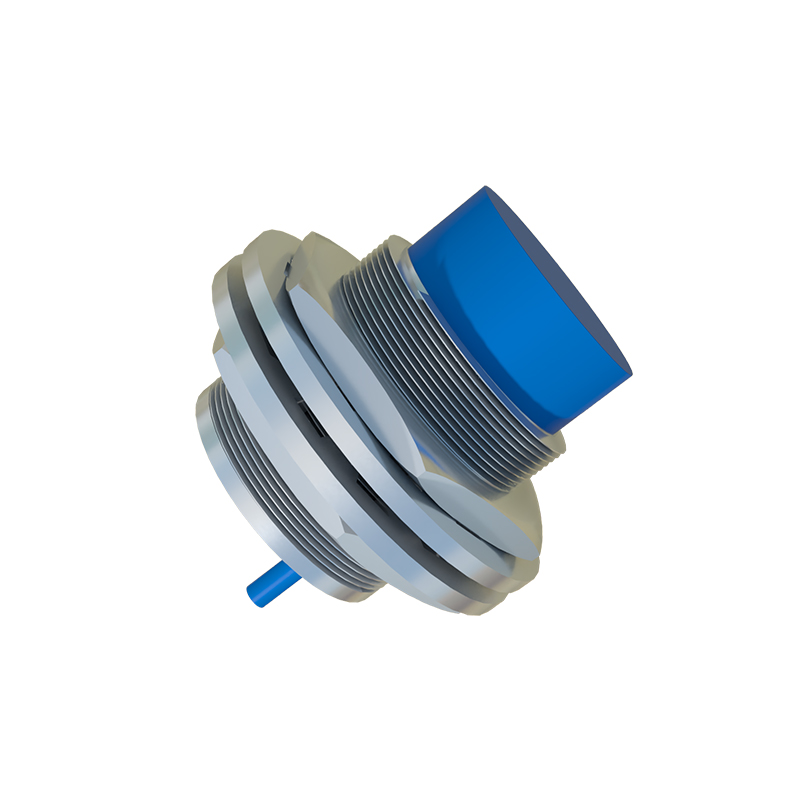
Key performance metrics include sensing range, repeat accuracy, response time, and environmental robustness. Advanced models offer sensing distances from a few millimeters to several tens of millimeters, with repeatability tolerances as tight as ±0.1% of the full scale. Response times can be as swift as 0.1 milliseconds, enabling high-speed production lines to operate seamlessly. Engineers often integrate these sensors with programmable logic controllers (PLCs) and industrial networks, facilitating real-time monitoring and adaptive control.
Design considerations for high precision metal proximity sensors encompass material selection, housing integrity, and signal output options. Stainless steel or nickel-plated brass housings provide corrosion resistance, while IP67 or higher ingress protection ratings safeguard against dust and moisture. Output configurations include analog signals (e.g., 4-20 mA or 0-10 V) for continuous distance measurement, and digital signals (e.g., NPN or PNP) for binary detection tasks. Additionally, temperature compensation circuits and shielding techniques minimize interference from adjacent electrical equipment.
Applications are vast and critical. In automotive assembly, these sensors ensure precise positioning of engine components or verify part presence on conveyor belts. Robotics leverage them for end-effector alignment and collision avoidance. In metalworking, they monitor tool wear and workpiece dimensions, enhancing quality control. The aerospace sector relies on them for landing gear status detection and turbine blade monitoring, where failure is not an option.
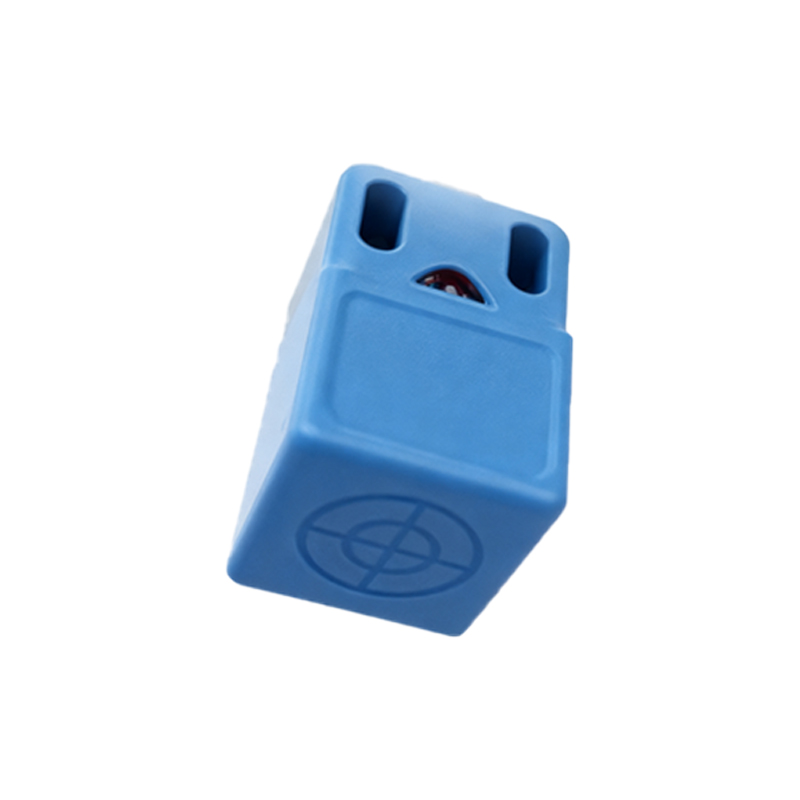
Future trends point toward miniaturization, enhanced smart features, and IoT integration. Sensors with embedded diagnostics, self-calibration capabilities, and wireless connectivity are emerging, enabling predictive maintenance and data-driven optimization. As Industry 4.0 advances, the demand for high precision metal proximity sensors will only grow, driven by the need for greater efficiency, safety, and automation intelligence.
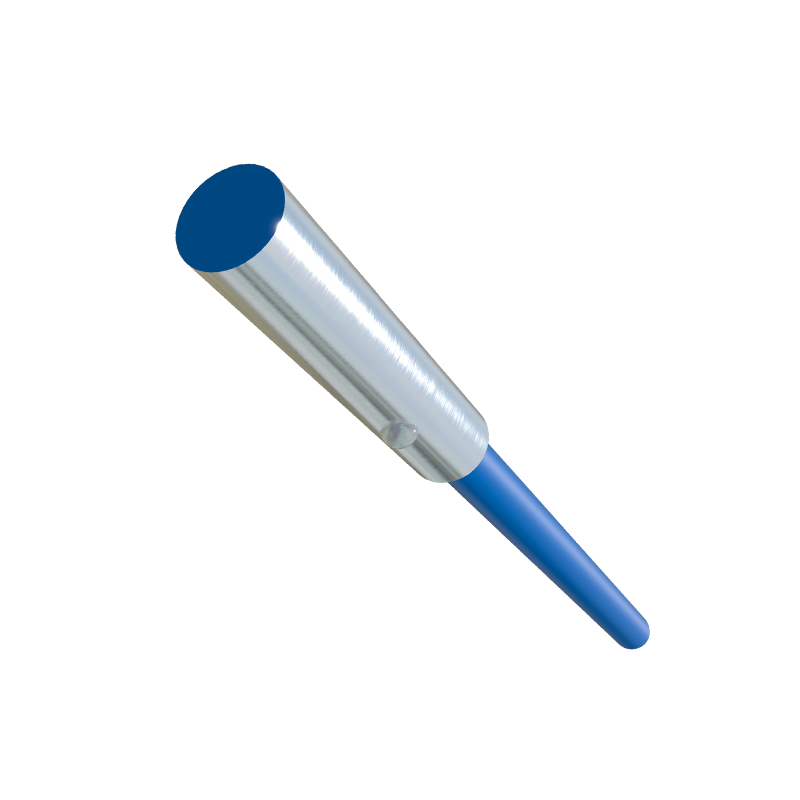
For engineers and system integrators, selecting the right sensor involves balancing specifications with operational demands. Factors like target material composition, required sensing distance, environmental challenges, and compatibility with existing control systems must be evaluated. Collaboration with reputable manufacturers and adherence to international standards (e.g., IEC 60947-5-2) ensures optimal performance and reliability.
In summary, high precision metal proximity sensors are vital components that bridge the gap between mechanical processes and electronic control. Their evolution continues to push the boundaries of automation, offering unparalleled accuracy and durability. By understanding their principles and applications, professionals can harness their full potential to innovate and excel in an increasingly automated world.