Proximity sensors designed for human detection are critical components in modern automation, safety systems, and smart environments. These sensors operate on various physical principles to detect the presence or approach of a person without physical contact. The most common types include capacitive, inductive, ultrasonic, infrared (IR), and microwave sensors, each with distinct mechanisms and applications.
Capacitive proximity sensors function by generating an electrostatic field. When a human body, which has inherent capacitance and dielectric properties, enters this field, it alters the capacitance between the sensor's electrodes. This change is measured by the sensor's circuitry, triggering an output signal. Capacitive sensors are highly sensitive and can detect humans through non-metallic materials like wood or plastic, making them suitable for touchless switches, elevator controls, or occupancy detection in restrooms.
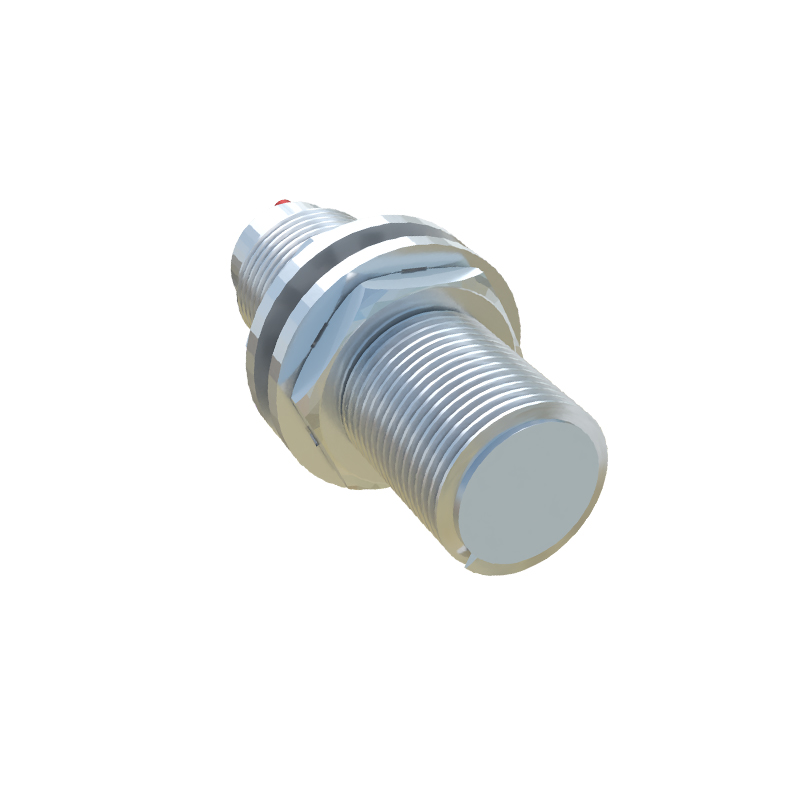
Inductive sensors, however, rely on electromagnetic induction to detect metallic objects. While not typically used for direct human detection due to the low conductivity of the human body, they can be integrated into systems where human presence is inferred via metallic accessories or in industrial safety gates. Their operation involves a coil generating an alternating magnetic field; when a conductive object disturbs this field, eddy currents are induced, changing the coil's impedance and activating the sensor.
Ultrasonic proximity sensors emit high-frequency sound waves (typically 20 kHz to 200 kHz) and measure the time delay of reflected echoes. The human body reflects these waves, allowing the sensor to calculate distance based on the time-of-flight principle. These sensors are effective in varying lighting conditions and can cover wide areas, commonly used in automatic doors, parking assistance, or people counting systems. However, they may be affected by temperature, humidity, or soft materials that absorb sound.
Infrared (IR) sensors detect humans by sensing infrared radiation emitted by the body or by using active IR beams. Passive infrared (PIR) sensors are widespread in motion detectors for lighting and security; they sense changes in IR radiation caused by body heat movement. Active IR sensors, like photoelectric barriers, transmit IR light and detect interruptions by a person crossing the beam. IR sensors are energy-efficient but can be influenced by environmental heat sources or sunlight.
Microwave sensors operate by emitting continuous or pulsed microwave signals and analyzing Doppler shifts or reflections. When a human moves within the detection zone, the frequency of the reflected wave changes due to motion, enabling detection. These sensors penetrate materials like glass or drywall, offering long-range capabilities for intrusion alarms or automatic lighting in large spaces. However, they may be prone to false triggers from other moving objects.
Key factors in selecting a human proximity sensor include detection range, sensitivity, response time, environmental robustness, and power consumption. For instance, capacitive sensors excel in short-range, touch-sensitive applications, while ultrasonic sensors are preferred for precise distance measurement. Integration with microcontrollers and IoT platforms allows these sensors to enable advanced functionalities, such as adaptive lighting, fall detection in healthcare, or interactive displays in retail.
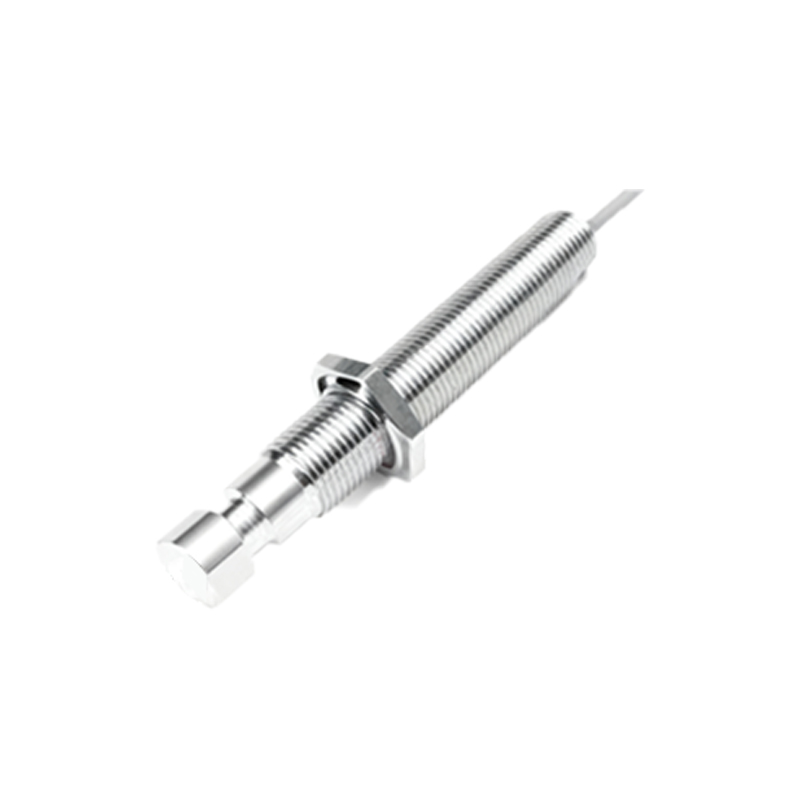
In industrial settings, proximity sensors enhance safety by preventing machinery operation when workers are nearby, complying with standards like ISO 13855. In consumer electronics, they enable features like smartphone screen blanking during calls. Future trends involve miniaturization, improved AI-based signal processing to reduce false alarms, and multi-sensor fusion for higher accuracy. Understanding these principles helps engineers design reliable, efficient systems that prioritize human comfort and safety, driving innovation in automation and smart technology.