In the world of industrial automation and machinery, proximity sensors are indispensable components. Among them, anti-interference proximity sensors have become increasingly critical for ensuring reliable operation in electrically noisy environments. A common question from procurement specialists, design engineers, and project managers is: "What drives the cost of these sensors?" The price is not arbitrary; it is a direct reflection of sophisticated engineering, material quality, and performance guarantees. This article delves into the key factors influencing the cost structure of high-performance, anti-interference proximity sensors.
The primary cost driver is the core technology employed to achieve immunity to electromagnetic interference (EMI) and radio frequency interference (RFI). Standard inductive or capacitive sensors can malfunction when exposed to noise from variable frequency drives (VFDs), welding equipment, or heavy motors. Anti-interference models incorporate advanced filtering circuits, shielded housings, and often specialized ASICs (Application-Specific Integrated Circuits). These components actively filter out spurious signals while maintaining fast response times to genuine target detection. The research, development, and manufacturing of these robust electronic designs constitute a significant portion of the unit cost. Sensors using high-frequency oscillation circuits with superior noise suppression algorithms are inherently more expensive to produce than their basic counterparts.
Material selection and build quality are equally pivotal. The housing material is crucial. Sensors designed for extreme environments use high-grade stainless steel (e.g., 303, 316L) or nickel-plated brass instead of standard plastics or mild steel. These materials offer superior shielding against EMI and provide corrosion resistance, directly impacting longevity and reliability. The quality of the sensing face and the internal potting compound (which protects circuitry from moisture and vibration) also adds to the cost. A sensor potted with a high-quality epoxy resin will withstand thermal cycling and physical shock far better than one with a basic sealant, justifying a higher price point.
Performance specifications, often detailed on the datasheet, have a direct correlation with price. Key parameters include sensing range, repeat accuracy, switching frequency, and the degree of protection (IP rating). An extended-range sensor with micron-level accuracy for precision positioning will cost more than a standard-range unit for basic object detection. Similarly, a sensor with an IP69K rating for high-pressure, high-temperature washdown environments is more complex to manufacture than an IP67-rated model. The level of interference immunity itself is often quantified by test standards like IEC 60947-5-2, which defines performance criteria for EMC (Electromagnetic Compatibility). Sensors certified to withstand higher noise levels require more rigorous testing and robust components.
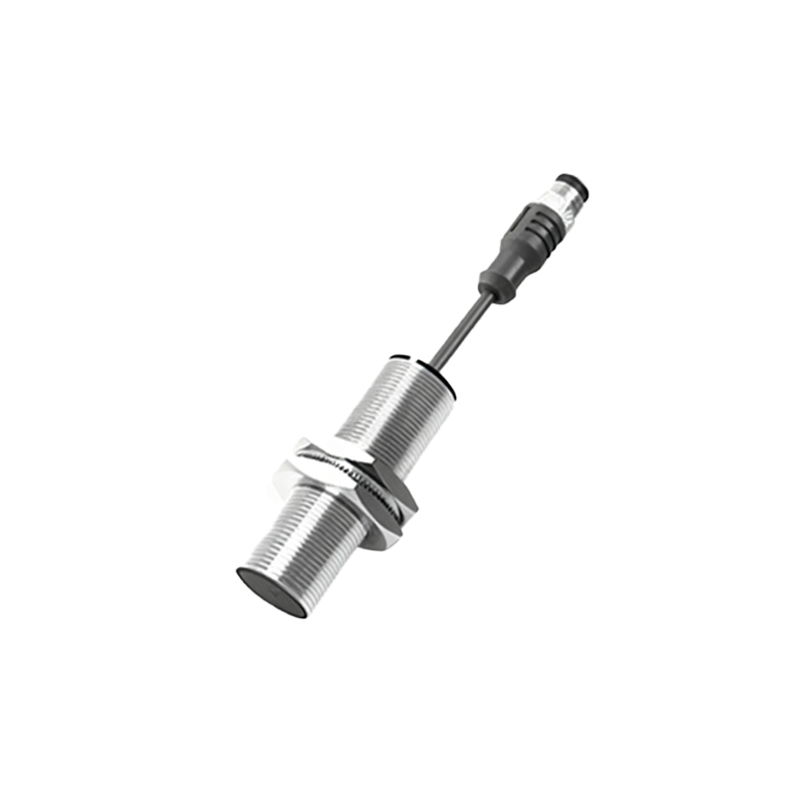
Another major factor is the output configuration and connectivity. Simple two-wire DC sensors are generally less expensive. However, many anti-interference sensors feature advanced outputs like push-pull, NAMUR (for intrinsically safe applications), or IO-Link digital communication. IO-Link sensors, which provide detailed diagnostic data, parameterization, and process values, incorporate additional digital circuitry and software, elevating their cost. The type of connector—integrated quick-disconnect (M8, M12) or pre-wired cable—also affects the final price. Branded, ruggedized connectors add value and cost compared to generic alternatives.
The brand reputation and associated services form the intangible yet valuable part of the cost equation. Established manufacturers invest heavily in quality control, global certification (UL, CSA, CE), application engineering support, and reliable supply chains. While a generic sensor might have a lower initial purchase price, the total cost of ownership (TCO) must be considered. A premium sensor from a reputable brand minimizes downtime, reduces false trips caused by interference, and offers longer service intervals. The cost of a single production line stoppage due to sensor failure can far exceed the price difference between a standard and an anti-interference model.
Finally, order volume and customization play a role. Standard off-the-shelf models in high volume are more cost-effective. Customized sensors with unique housings, cable lengths, sensing ranges, or output logic will incur non-recurring engineering (NRE) charges and higher per-unit costs.
In conclusion, the cost of an anti-interference proximity sensor is a composite of its technological sophistication, material integrity, performance pedigree, and the reliability assurance offered by the manufacturer. Evaluating sensors based solely on unit price is a short-sighted approach. A strategic investment in a correctly specified, high-quality anti-interference sensor pays dividends through enhanced system reliability, reduced maintenance, and uninterrupted production, ultimately safeguarding the profitability and efficiency of any automated operation.