In the dynamic industrial landscape of Lianzhou, proximity sensors have become indispensable components for automation, safety, and efficiency. These non-contact devices detect the presence or absence of objects with remarkable precision, forming the backbone of modern manufacturing, packaging, and machinery systems. For engineers, plant managers, and procurement specialists in the region, understanding the nuances of sensor technology and identifying reliable local suppliers is critical for operational success.
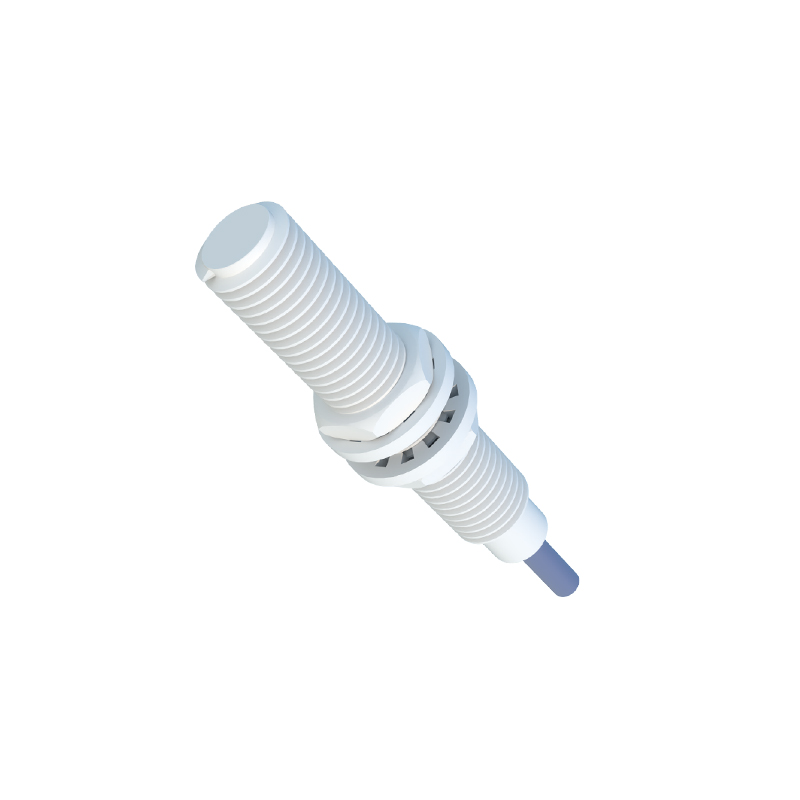
The core function of a proximity sensor is to detect a target object without physical contact. This is achieved through various technologies, each suited to specific applications. Inductive proximity sensors are the most common type found in Lianzhou's metalworking and machinery shops. They generate an electromagnetic field and detect the eddy current losses caused when a metallic target enters this field. These sensors are exceptionally robust, resistant to environmental factors like dust and oil, and ideal for detecting metals such as steel, aluminum, and copper. Their typical sensing ranges vary from a few millimeters to several centimeters.
Capacitive proximity sensors, on the other hand, can detect both metallic and non-metallic materials, including liquids, plastics, glass, and wood. They work by measuring changes in capacitance. This versatility makes them perfect for applications in Lianzhou's food processing, chemical, and packaging industries, where detecting material levels in containers or presence of non-metal objects is required.
For applications demanding longer sensing distances or detection of any material regardless of color or transparency, photoelectric sensors are the preferred choice. These sensors use a light emitter and receiver. Common types include through-beam, retro-reflective, and diffuse reflective models. They are extensively used in conveyor belt systems, automated assembly lines, and logistics hubs prevalent in the Lianzhou area for counting, positioning, and inspection tasks.
Ultrasonic sensors use sound waves to detect objects and measure distance, functioning well in environments with dust, smoke, or fog where photoelectric sensors might struggle. They are commonly applied in level measurement for silos or tanks and in complex material handling.
When sourcing proximity sensors in Lianzhou, several key technical parameters must be evaluated. The sensing distance, or "rated operating distance," is paramount and must be chosen with a safety margin, typically 70-80% of the catalog value, to account for temperature fluctuations and supply voltage variations. The housing material is another critical factor; nickel-plated brass or stainless steel housings are essential for corrosive environments common in certain local industries. The electrical output type—NPN or PNP, normally open (NO) or normally closed (NC)—must be compatible with the existing programmable logic controller (PLC) or control system. Environmental protection ratings, denoted by IP (Ingress Protection) codes like IP67 or IP69K, indicate the sensor's resilience against dust and water, a crucial consideration for washdown areas in food and beverage plants.
Local suppliers and specialized stores in Lianzhou play a vital role in the supply chain. A reputable supplier offers more than just components; they provide technical support, application engineering advice, and reliable after-sales service. When selecting a vendor, evaluate their product portfolio. Do they carry leading global brands like Siemens, Omron, Schneider Electric, or Pepperl+Fuchs, as well as reliable cost-effective alternatives? Assess their inventory depth to ensure minimal downtime for replacement parts. Furthermore, their technical team's ability to understand your specific application—whether it's for high-speed bottling, precision metal stamping, or heavy-duty crane positioning—can make a significant difference in system performance and longevity.
Proper installation and maintenance are often overlooked but are essential for optimal sensor performance. Ensure the sensor is mounted securely to avoid vibration-induced failures. For inductive sensors, maintain a clearance from surrounding metal (the "flush-mountable" feature mitigates this) to prevent false triggering. Regular cleaning of the sensing face to remove dirt, grease, or debris is a simple yet effective maintenance task. Implementing a periodic check of the sensor's output signal and its physical condition can prevent unexpected production stoppages.
In conclusion, the strategic selection and implementation of proximity sensors are fundamental to enhancing the automation and reliability of industrial operations in Lianzhou. By thoroughly understanding the different sensor technologies, meticulously specifying the required parameters, and partnering with a knowledgeable and service-oriented local supplier, businesses can achieve significant gains in productivity, quality control, and operational safety. The right sensor, correctly applied, is a small investment that delivers substantial returns in the competitive industrial environment of the region.