In the realm of industrial automation, precision and reliability are paramount. Among the myriad of components that ensure seamless operation, the laser proximity sensor limit switch stands out as a critical device for position detection and control. This article delves into the principles, applications, and advantages of these sophisticated sensors, offering insights for engineers and technicians seeking to optimize their systems.
Laser proximity sensors operate on the principle of emitting a focused laser beam towards a target object. When the beam is interrupted or reflected back to the sensor, it detects the presence or absence of the object, thereby acting as a limit switch to control machinery movement. Unlike traditional mechanical limit switches that rely on physical contact, laser sensors are non-contact, reducing wear and tear and enhancing longevity. The core technology involves a laser diode, optics for beam focusing, and a photodetector that converts light signals into electrical outputs. Advanced models incorporate time-of-flight or triangulation methods to measure distance with high accuracy, often within sub-millimeter ranges, making them ideal for precise positioning tasks.
The applications of laser proximity sensor limit switches span various industries. In manufacturing, they are used for robotic arm positioning, conveyor belt monitoring, and part inspection. For instance, in automotive assembly lines, these sensors ensure components are correctly aligned before welding or fastening. In packaging machinery, they detect product presence to trigger sealing or labeling processes. The logistics sector employs them in automated storage and retrieval systems to verify pallet positions, preventing collisions and optimizing space usage. Additionally, in cleanroom environments like semiconductor fabrication, non-contact sensing avoids contamination risks associated with mechanical switches.
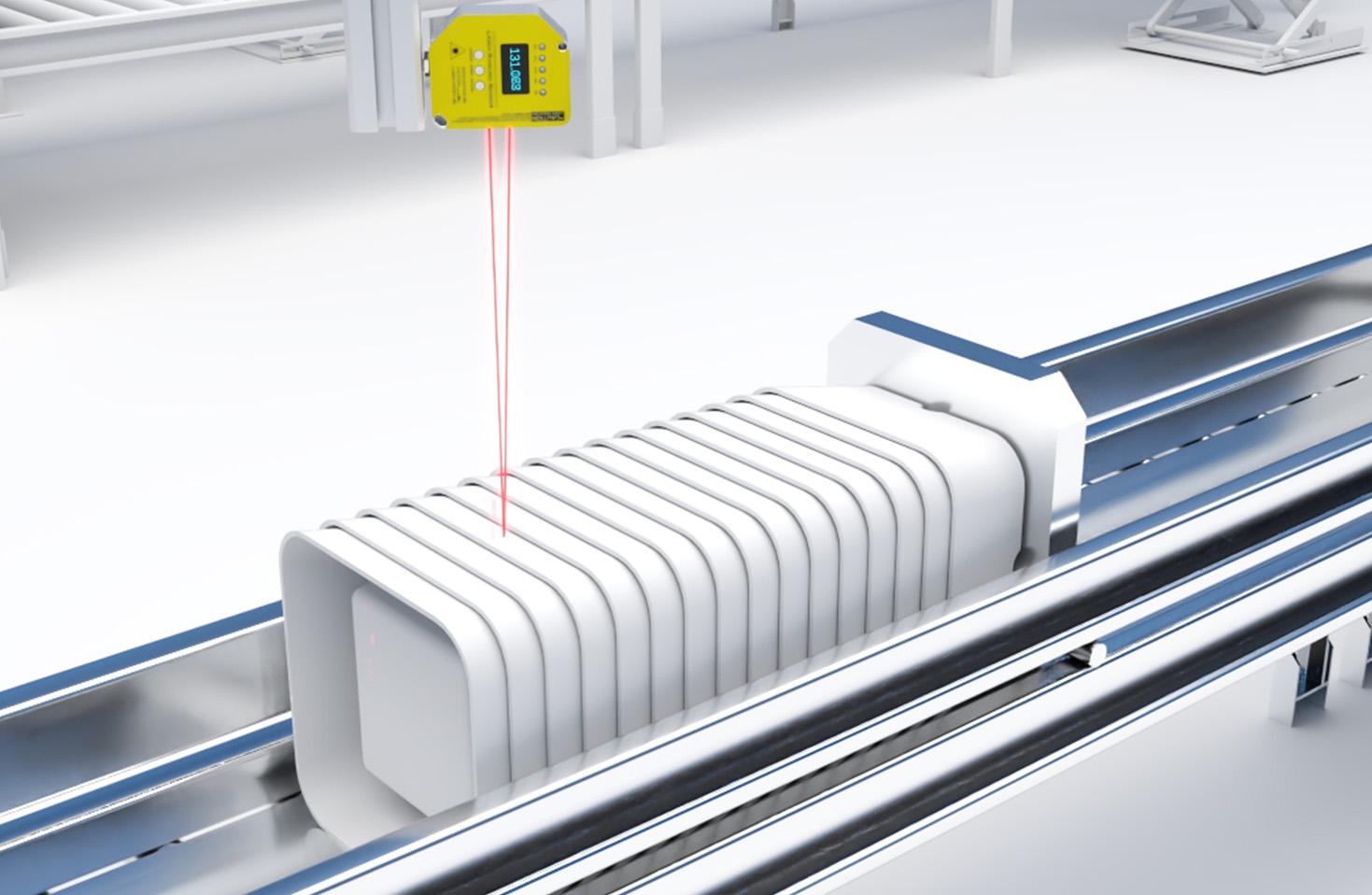
Key advantages of laser-based limit switches include high precision, fast response times, and adaptability to harsh conditions. They can detect small or transparent objects that might challenge other sensor types, such as inductive or capacitive proximity sensors. Their narrow beam allows for precise targeting even in crowded setups, minimizing false triggers. Many models feature adjustable sensing ranges and output configurations (e.g., PNP/NPN, analog, or digital signals), enabling integration with PLCs (Programmable Logic Controllers) and industrial networks. However, environmental factors like dust, fog, or ambient light can affect performance, necessitating proper installation and shielding. Regular calibration and maintenance are recommended to sustain accuracy.
When selecting a laser proximity sensor limit switch, engineers should consider parameters such as sensing distance, resolution, response frequency, and environmental ratings (e.g., IP67 for dust and water resistance). Compatibility with existing control systems and ease of programming are also crucial. Leading manufacturers offer customizable solutions with features like teach-in functions for simple setup and IO-Link connectivity for real-time data exchange. As Industry 4.0 advances, these sensors are evolving to support smart factory initiatives, providing diagnostic data to predict failures and reduce downtime.

In summary, laser proximity sensor limit switches represent a leap forward in industrial sensing technology. By offering non-contact, high-precision detection, they enhance efficiency, safety, and reliability in automated processes. As industries continue to embrace automation, understanding and leveraging these devices will be key to staying competitive. Engineers are encouraged to explore the latest innovations, from miniaturized designs to AI-enhanced analytics, to fully harness their potential in modern manufacturing and beyond.