In the realm of industrial automation, proximity switches stand as fundamental components for non-contact detection, enabling precise control and monitoring in diverse environments. These sensors operate on the principle of detecting the presence or absence of a target object without physical contact, thereby minimizing wear and enhancing reliability. This article delves into the core principles, types, and operational mechanisms of proximity switches, tailored for electrical engineers and industry professionals.
Proximity switches are primarily categorized based on their sensing technology: inductive, capacitive, ultrasonic, and photoelectric. Each type employs distinct physical principles to achieve detection. Inductive proximity switches, widely used in metal detection applications, generate an electromagnetic field via a coil energized by an oscillator. When a metallic target enters this field, eddy currents are induced in the object, causing a change in the oscillation amplitude. This alteration is detected by a threshold circuit, which triggers a switch signal—typically an output from a solid-state or relay device. These sensors are ideal for harsh industrial settings due to their robustness and immunity to non-metallic contaminants.
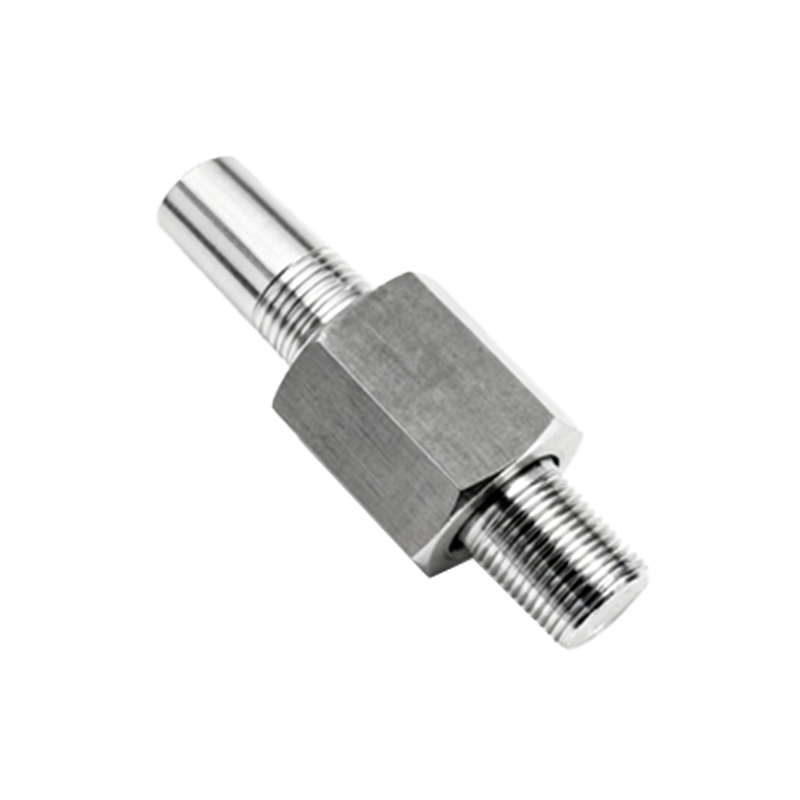
Capacitive proximity switches function by measuring changes in capacitance. They consist of an electrode that forms one plate of a capacitor, with the target object acting as the other plate. As an object approaches the sensor, the dielectric constant between the plates changes, altering the capacitance. This shift is converted into a voltage variation, processed by internal circuitry to activate an output. Capacitive sensors can detect both metallic and non-metallic materials, such as liquids, plastics, or wood, making them versatile for applications like level sensing or material handling.
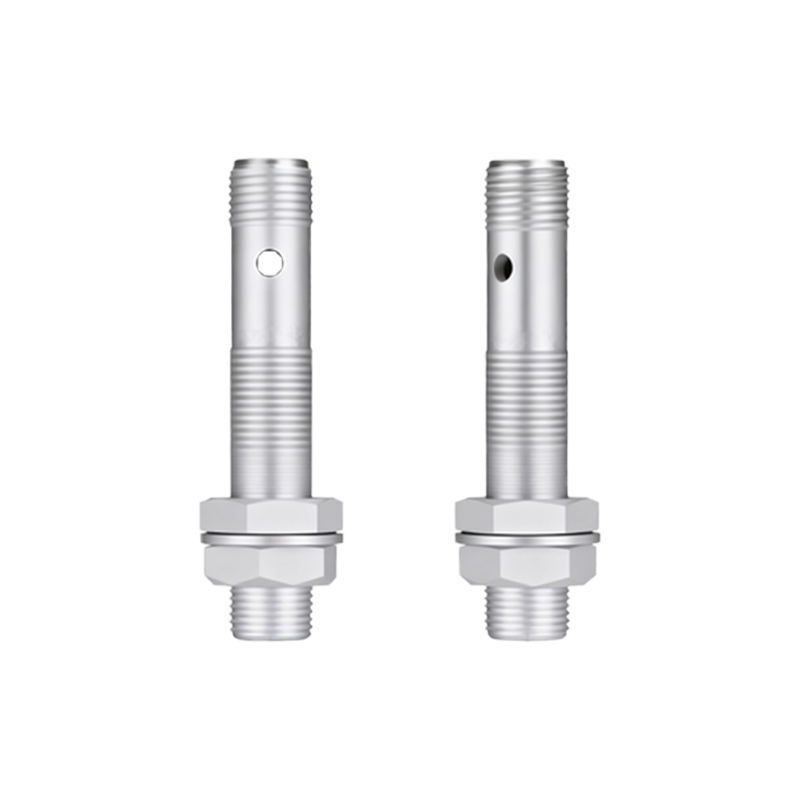
Ultrasonic proximity switches utilize sound waves beyond human hearing—typically frequencies above 20 kHz. A transducer emits ultrasonic pulses that reflect off a target object; the time delay of the echo is measured to calculate distance. These sensors excel in detecting objects regardless of color, transparency, or material composition, and are commonly used in challenging environments with dust, smoke, or varying light conditions. However, factors like temperature and air turbulence can affect accuracy, necessitating calibration for optimal performance.
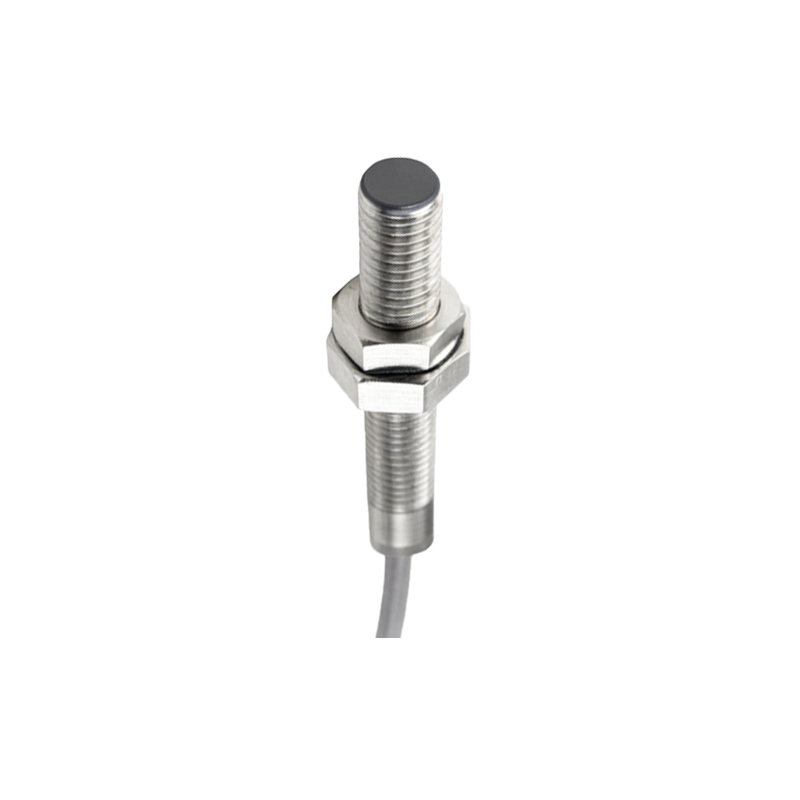
Photoelectric proximity switches rely on light beams, usually infrared or laser, to detect objects. They comprise an emitter and a receiver. In the through-beam type, the object interrupts the light path between separate units, while in the retro-reflective type, a reflector bounces the beam back to the receiver. Diffuse sensors detect light scattered from the target itself. Photoelectric switches offer long sensing ranges and high speed, suitable for packaging, assembly lines, and safety systems. Ambient light interference can be mitigated through modulated light signals and filtering techniques.
The operational mechanism of proximity switches involves three key stages: field generation, signal processing, and output switching. Upon power application, the sensor generates a detection field (electromagnetic, capacitive, ultrasonic, or optical). When a target enters this field, it perturbs the field characteristics, such as inductance, capacitance, acoustic reflection, or light intensity. This perturbation is converted into an electrical signal by a transducer, then amplified and compared to a preset threshold in the signal conditioning circuit. If the signal exceeds the threshold, the output stage—often comprising transistors or relays—switches to indicate detection, interfacing with PLCs (Programmable Logic Controllers) or other control systems.
Design considerations for proximity switches include sensing range, response time, environmental factors, and output configuration. Sensing range, specified by manufacturers, depends on the target material and size; for instance, inductive sensors have reduced range for non-ferrous metals. Response time, critical in high-speed applications, ranges from microseconds to milliseconds. Environmental resilience involves ingress protection (IP) ratings for dust and moisture, temperature tolerance, and resistance to electrical noise. Outputs can be digital (NPN or PNP) or analog, with some models offering programmability for custom applications.
In practice, proximity switches are integral to automation systems, enabling functions like position sensing, object counting, and end-of-travel detection. Their non-contact nature reduces maintenance costs and improves system longevity. For engineers, selecting the appropriate type requires analyzing application specifics: target material, required precision, environmental conditions, and cost constraints. Regular calibration and adherence to installation guidelines—such as avoiding metal interference or ensuring clean optical surfaces—enhance performance and reliability.
As Industry 4.0 advances, proximity switches are evolving with smart features, such as IO-Link communication for real-time diagnostics and data exchange. This integration facilitates predictive maintenance and adaptive control, aligning with modern industrial IoT (Internet of Things) frameworks. Understanding these principles empowers professionals to optimize sensor deployment, ensuring efficient and safe operations in manufacturing, robotics, and beyond.
In summary, proximity switches exemplify the synergy of physics and engineering in industrial sensing. By mastering their principles—from electromagnetic induction to optical reflection—engineers can leverage these devices to build resilient, automated systems that drive productivity and