In the realm of industrial automation, proximity sensors play a pivotal role in enhancing efficiency, safety, and precision. Among the diverse range of sensors available, GXL proximity sensors have garnered significant attention for their robust performance and adaptability in challenging environments. This article delves into the core aspects of GXL proximity sensors, exploring their working principles, key features, and typical applications across various industries.
GXL proximity sensors are non-contact devices designed to detect the presence or absence of objects within a specified range without physical interaction. They operate primarily on electromagnetic or capacitive sensing technologies, depending on the model and target material. Electromagnetic variants, often inductive sensors, are ideal for detecting metallic objects by generating an electromagnetic field. When a metal object enters this field, it induces eddy currents, causing a change in the sensor's oscillation amplitude, which triggers an output signal. Capacitive sensors, on the other hand, can detect both metallic and non-metallic materials by measuring changes in capacitance when an object approaches the sensing face. This versatility makes GXL sensors suitable for a wide array of industrial tasks, from simple object detection to complex positioning systems.
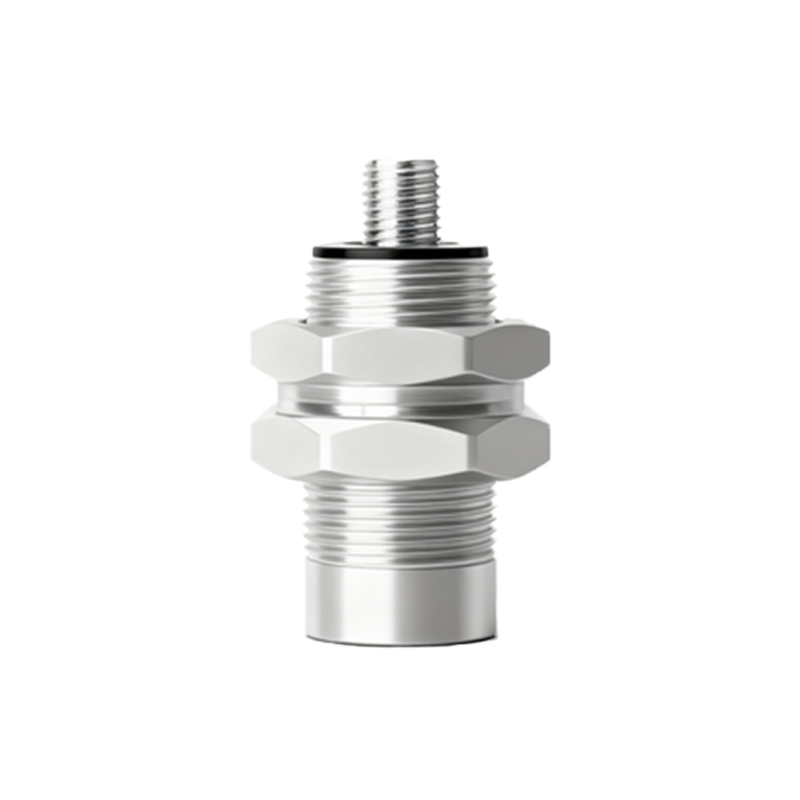
One of the standout features of GXL proximity sensors is their durability and resilience. Engineered to withstand harsh conditions, these sensors typically boast high ingress protection (IP) ratings, such as IP67 or IP68, ensuring resistance to dust, moisture, and chemical exposure. This makes them ideal for use in manufacturing plants, automotive assembly lines, and outdoor installations where environmental factors could compromise sensor performance. Additionally, GXL sensors offer a wide operating temperature range, often from -25°C to 70°C, allowing reliable operation in extreme climates. Their compact design and easy integration into existing machinery further enhance their appeal, minimizing downtime during installation and maintenance.
Another critical aspect is the sensing range and accuracy of GXL proximity sensors. Depending on the model, sensing distances can vary from a few millimeters to several centimeters, with high repeatability and minimal hysteresis. This precision is crucial in applications like robotic guidance, where exact object positioning is necessary for seamless automation. Many GXL sensors also feature adjustable sensitivity settings, enabling customization for specific materials or detection scenarios. For instance, in packaging industries, these sensors can reliably detect transparent films or thin materials that might challenge other sensor types. The output options, including NPN, PNP, or analog signals, provide flexibility for interfacing with different control systems, such as PLCs (Programmable Logic Controllers) or microcontrollers.
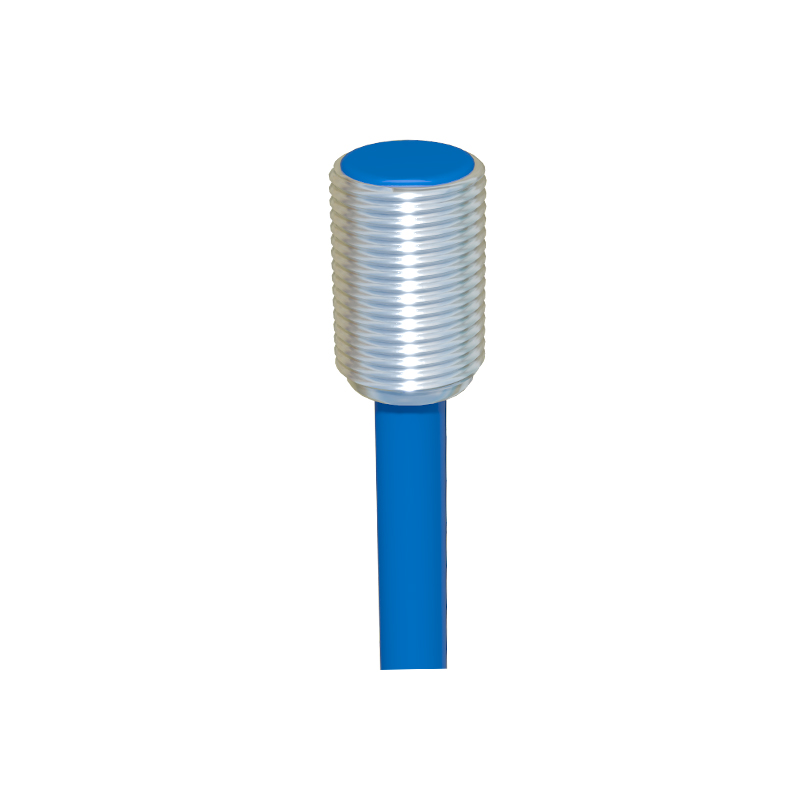
In terms of applications, GXL proximity sensors are widely utilized across sectors. In automotive manufacturing, they monitor component placement on assembly lines, ensuring parts are correctly positioned before welding or fastening processes. In food and beverage production, capacitive GXL sensors detect liquid levels in containers or verify the presence of packaging materials, maintaining hygiene standards due to their non-contact nature. Logistics and warehousing benefit from these sensors in conveyor systems, where they count items, control sorting mechanisms, and prevent jams. Moreover, in heavy machinery and construction, inductive GXL sensors provide safety functions by detecting the proximity of equipment to obstacles, reducing collision risks.
To maximize the lifespan and performance of GXL proximity sensors, proper installation and maintenance are essential. Users should ensure correct alignment with target objects, avoiding interference from nearby metals or electrical noise. Regular cleaning of the sensing face can prevent false triggers caused by debris buildup. It's also advisable to consult manufacturer guidelines for voltage ratings and wiring configurations to prevent damage. As technology advances, newer GXL models incorporate smart features like IO-Link communication, enabling real-time diagnostics and data exchange for predictive maintenance, further boosting operational efficiency.
In conclusion, GXL proximity sensors represent a reliable and versatile solution for modern industrial automation. Their ability to operate in tough conditions, coupled with precise detection capabilities, makes them indispensable in optimizing processes and enhancing safety. By understanding their features and applications, engineers and technicians can leverage these sensors to drive innovation and productivity in their respective fields. As industries continue to evolve toward greater automation, the role of GXL proximity sensors is set to expand, offering new opportunities for efficiency gains and cost savings.