In industrial automation, proximity sensors play a critical role in detecting the presence or absence of objects without physical contact. Selecting the right proximity sensor can significantly impact system reliability, efficiency, and cost-effectiveness. This guide provides essential tips for engineers to make informed decisions based on application requirements, environmental factors, and technical specifications.
First, understand the primary types of proximity sensors: inductive, capacitive, ultrasonic, and photoelectric. Inductive sensors are ideal for detecting metallic objects, offering high precision and durability in harsh environments. They operate by generating an electromagnetic field and detecting changes caused by metallic targets. Common applications include position sensing in machinery, conveyor systems, and automotive assembly lines. Capacitive sensors, on the other hand, can detect both metallic and non-metallic materials, such as liquids, plastics, or glass. They work by measuring changes in capacitance and are suitable for level detection, material handling, and packaging industries. Ultrasonic sensors use sound waves to detect objects, making them versatile for varied surfaces and distances, even in dusty or humid conditions. Photoelectric sensors rely on light beams and are excellent for long-range detection and color differentiation, often used in logistics and sorting systems.
When selecting a proximity sensor, consider the sensing distance, which must align with the application's requirements. The nominal sensing distance specified by manufacturers is typically measured under ideal conditions. In practice, factors like target material, size, and environmental interferences can reduce effective range. Always account for a safety margin—choose a sensor with a rated distance 20-30% greater than the actual need to ensure consistent performance. For example, if an object needs detection at 10mm, opt for a sensor with a 12-15mm range.
Environmental conditions are crucial in sensor selection. Industrial settings may involve extreme temperatures, moisture, vibration, or chemical exposure. Inductive sensors with robust housings (e.g., stainless steel) excel in high-temperature or corrosive environments. For washdown areas in food processing, sensors with IP67 or higher ingress protection ratings are essential to resist water and dust. In applications with electrical noise or electromagnetic interference, shielded sensors prevent false triggers and ensure stable operation. Additionally, consider mounting constraints—compact sensors save space in tight installations, while adjustable models offer flexibility.
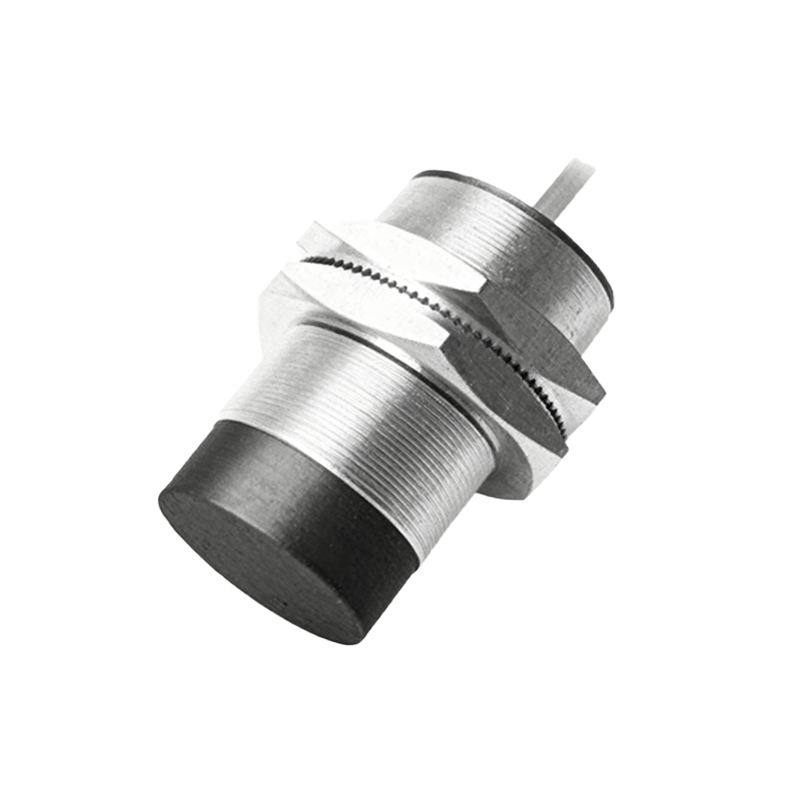
Output configuration is another key factor. Proximity sensors typically provide digital outputs like NPN (sinking) or PNP (sourcing), compatible with PLCs or controllers. Choose based on your control system's requirements. Analog outputs (e.g., 4-20mA or 0-10V) are useful for continuous measurement, such as distance or thickness monitoring. Response time, or switching frequency, determines how quickly the sensor reacts to object detection. High-speed applications, like packaging or robotics, require sensors with fast response times (e.g.,<1ms) to maintain cycle efficiency.
Target characteristics directly influence sensor performance. For inductive sensors, the target material's conductivity and size matter—ferrous metals like steel yield longer sensing distances than non-ferrous metals like aluminum. Capacitive sensors are sensitive to material dielectric constants; moist or dense materials enhance detection. Ensure the target is within the sensor's specified size and shape parameters to avoid unreliable readings. In complex scenarios, such as detecting small or fast-moving objects, consult manufacturer datasheets for guidance on optimal alignment and installation.
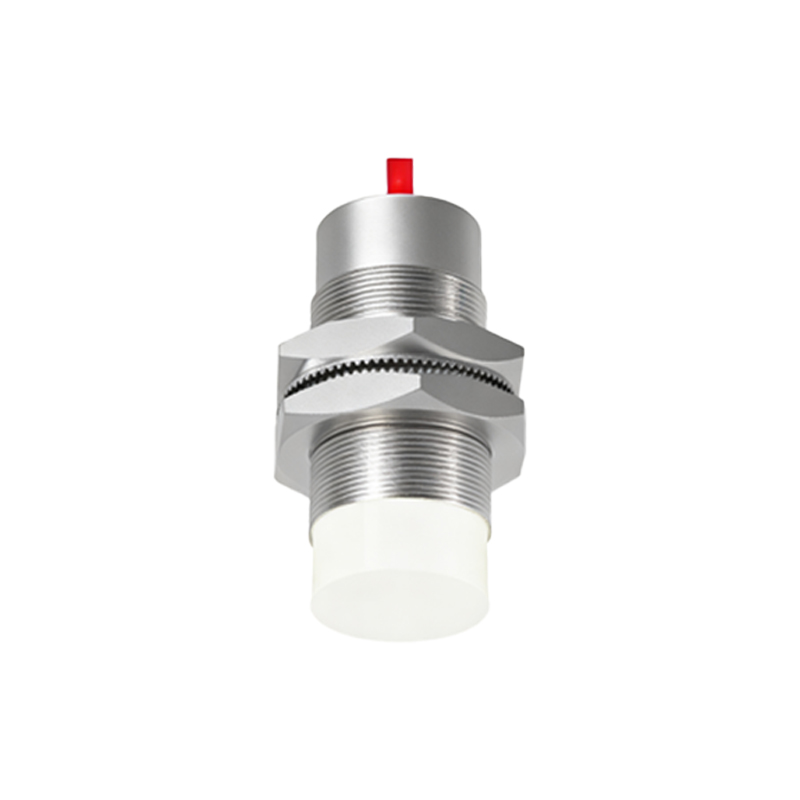
Finally, evaluate cost versus longevity. While budget constraints are real, investing in high-quality sensors from reputable brands reduces downtime and maintenance costs. Look for certifications like CE, UL, or ISO standards to guarantee safety and reliability. Regular calibration and adherence to operational limits extend sensor life. For customized needs, many suppliers offer tailored solutions, including special housings or sensing ranges.
In summary, proximity sensor selection hinges on a balance of technology, environment, and application specifics. By analyzing these factors systematically, engineers can enhance automation systems' precision and durability, driving operational excellence in industries from manufacturing to logistics. Always test sensors in real-world conditions before full-scale deployment to validate performance.