In the realm of precision measurement and industrial automation, laser displacement sensors have become indispensable tools. Among the prominent manufacturers, Xixing has established a reputation for producing reliable and high-performance sensors. This article delves into the technology behind Xixing laser displacement sensors, their diverse applications, and key considerations for selection and integration.
The fundamental operating principle of a Xixing laser displacement sensor is based on optical triangulation. The sensor projects a focused laser beam onto the target surface. The reflected light from this point is then captured by a receiving lens and focused onto a position-sensitive detector, typically a CCD or CMOS array. Any change in the distance to the target causes the position of the reflected light spot on the detector to shift. The sensor's internal processor calculates this displacement with high accuracy by analyzing the spot's position, outputting a corresponding analog or digital signal. This non-contact method is crucial for measuring delicate, hot, fast-moving, or otherwise inaccessible objects without inducing wear or interference.
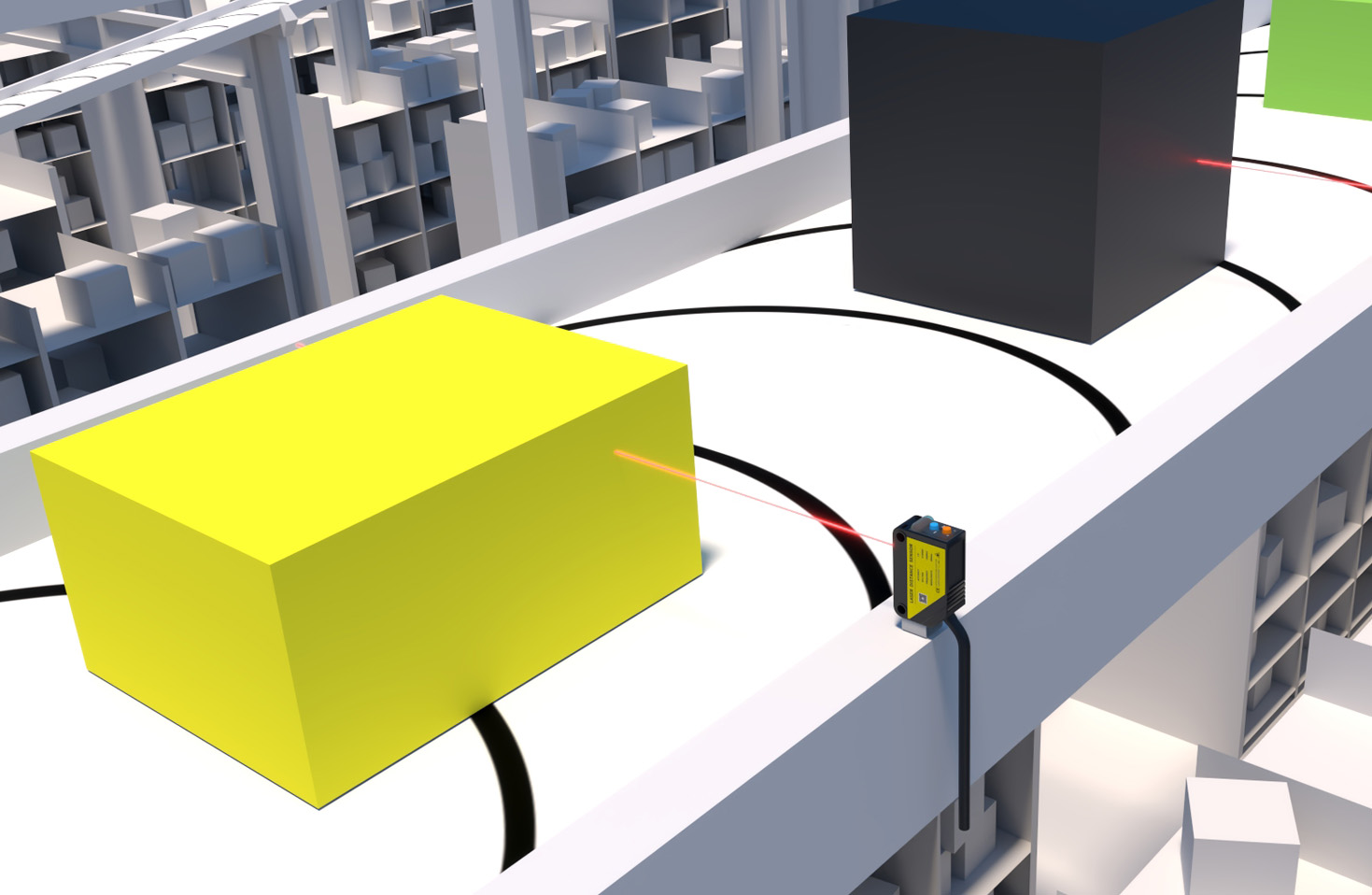
Xixing sensors are engineered to excel in various challenging industrial environments. They offer several key advantages. First is high precision and resolution, capable of detecting minute changes in the micrometer range. Second is high-speed response, allowing for real-time measurement on production lines. Third, their non-contact nature eliminates mechanical wear and measurement force. Fourth, many models feature robust designs with high IP ratings, making them resistant to dust, water, and oil splashes. Finally, they are relatively insensitive to the target's material and surface color, though highly reflective or transparent surfaces may require specific models or settings.
The application spectrum for Xixing laser displacement sensors is remarkably broad. In automotive manufacturing, they are used for gap and flush measurement between body panels, brake disc thickness inspection, and piston position monitoring. In the electronics industry, they ensure the coplanarity of BGA chips, measure solder paste height, and inspect component placement. In metal processing, they perform thickness gauging of sheets, vibration analysis of machinery, and dimensional control of rolled products. Furthermore, they are pivotal in robotics for precise guidance and positioning, and in logistics for package dimensioning and pallet level detection.
Selecting the appropriate Xixing laser displacement sensor requires careful analysis of the application parameters. The primary specification is the measuring range, which defines the minimum and maximum distances over which the sensor can operate accurately. Related to this is the reference distance, or standoff, which is the optimal working distance from the sensor head to the target. Resolution and linearity are critical for determining the smallest detectable change and the accuracy across the entire range, respectively. The spot size of the laser is important when measuring small features or rough surfaces. Response speed, or sampling rate, must be matched to the target's movement speed. Environmental factors such as ambient light, temperature fluctuations, and the presence of contaminants dictate the required housing protection (IP grade) and may necessitate special filters or cooling systems. Finally, the output interface (e.g., analog voltage/current, digital RS-422, Ethernet/IP, PROFINET) must be compatible with the existing control system, such as a PLC or data acquisition unit.

Installation and maintenance are straightforward but vital for optimal performance. Ensuring a stable mechanical mount free from vibration is essential. The sensor should be aligned perpendicularly to the target surface under normal operating conditions to avoid cosine error. For best results, operate within the specified temperature and humidity ranges. Regular cleaning of the lens with appropriate materials is recommended to maintain optical clarity. Most Xixing sensors feature built-in diagnostics and calibration functions, allowing users to verify performance and make minor adjustments via software.
In conclusion, Xixing laser displacement sensors represent a mature and versatile technology for achieving precise, non-contact distance and position measurement. Their robustness, accuracy, and speed make them a cornerstone in modern automated manufacturing and quality control processes. By thoroughly understanding the measurement task's requirements—including target properties, environmental conditions, and necessary performance specs—engineers and technicians can effectively leverage Xixing sensors to enhance productivity, ensure quality, and enable advanced automation solutions. As Industry 4.0 and smart factory concepts evolve, the integration of such sensors with data analytics and networked systems will further amplify their value.