In the globalized electrical and automation industry, the accurate customs classification of components is paramount for efficient supply chain management and regulatory compliance. Proximity sensors, as critical devices in industrial automation, robotics, and safety systems, present specific challenges in this domain. This article provides a technical guide for electrical engineers and logistics professionals on navigating the Harmonized System (HS) codes for these devices.
Proximity sensors are non-contact electronic devices that detect the presence or absence of an object within a defined sensing range. They operate on various principles, including inductive, capacitive, ultrasonic, and photoelectric (optical) sensing. The core technical principle dictates their primary classification. From a customs perspective, the most common classifications fall under Chapter 85 of the HS Code, which covers "Electrical machinery and equipment and parts thereof; sound recorders and reproducers, television image and sound recorders and reproducers, and parts and accessories of such articles."
Inductive proximity sensors, which detect metallic objects, are typically classified under HS code 8531. This code is for "Electric sound or visual signalling apparatus (e.g., bells, sirens, indicator panels, burglar or fire alarms), other than those of heading 8512 or 8530." While this may seem counterintuitive, inductive sensors are often considered "apparatus" for signalling or control purposes. A more precise classification can be 8531.10, which covers "Burglar or fire alarms and similar apparatus." However, the application context is crucial. If the sensor is part of a larger automated control system, it might be considered under 8537.10 as "Boards, panels, consoles, desks, cabinets and other bases, equipped with two or more apparatus of heading 8535 or 8536, for electric control or the distribution of electricity..." but this usually applies to assembled control panels, not individual components.
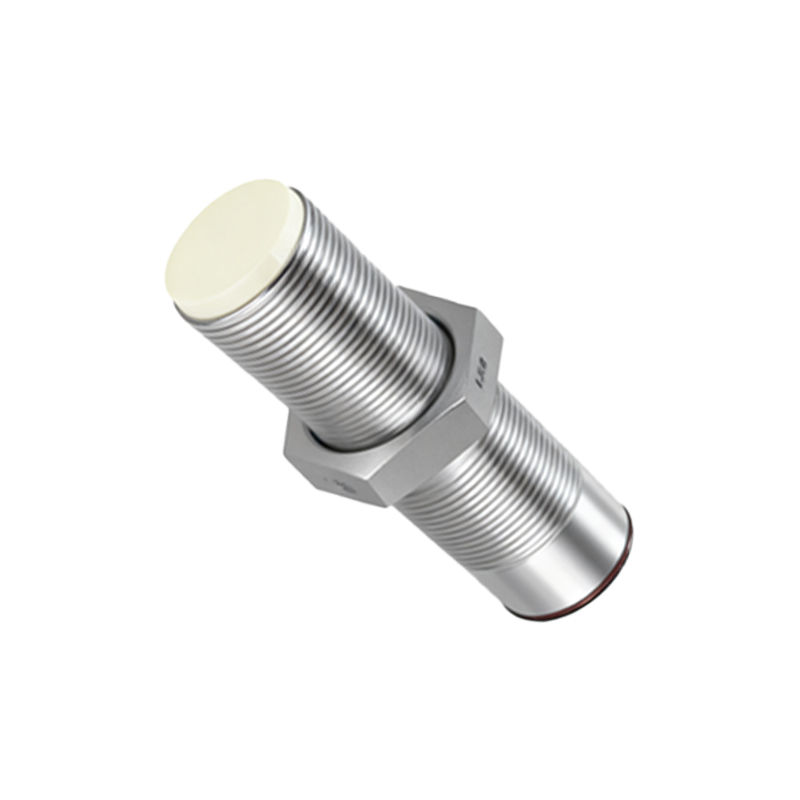
Capacitive sensors, capable of detecting both metallic and non-metallic materials, often share the same 8531 classification as inductive types due to their similar end-use in control and signalling loops. Photoelectric (optical) sensors and ultrasonic sensors, however, can sometimes lead to classification debates. They may be classified under 8531, or alternatively under 8543.70 as "Other electrical machines and apparatus, having individual functions, not specified or included elsewhere in this Chapter." This residual code is a catch-all for electrical apparatus with specific functions not detailed in other headings.
The intended function and integration level are decisive factors. A standalone proximity sensor designed to output a simple switch signal (PNP/NPN) for machine control is firmly in the apparatus category of 8531. However, a sophisticated laser distance sensor with analog output and digital communication (e.g., IO-Link) that performs precise measurement might be argued to fall under 9031.80 ("Other instruments and apparatus for measuring or checking electrical quantities") or 9031.40 ("Other optical instruments and appliances"), especially if its primary marketed function is measurement rather than simple detection. The distinction between "detection" and "measurement" is subtle but significant in customs terminology.
For engineers and procurement specialists, providing detailed technical documentation to customs brokers is essential. This includes:
1. Detailed product datasheets specifying the operating principle (inductive, capacitive, etc.).
2. Clear statement of primary function (e.g., "object detection for machine safety interlock").
3. Technical drawings or photographs.
4. Description of the output type (digital switch, analog voltage/current, networked data).
5. Brochures or manuals indicating typical industrial applications.
Misclassification risks include customs delays, duty underpayments or overpayments, and potential penalties. For instance, classifying a sensor under a code with a higher duty rate than applicable increases costs, while using a lower-rate code incorrectly constitutes non-compliance. Regional variations in interpretation also exist. While the HS code is international, national tariff schedules (like the U.S. HTSUS or the EU's TARIC) may have additional notes or rulings that refine classification. Consulting with a licensed customs broker who specializes in electrical components is always recommended for complex or high-value shipments.
In conclusion, the customs classification of proximity sensors hinges on their technical operating principle, their stated primary function in trade, and their level of integration. Most standard industrial proximity sensors for automation are correctly classified under HS code 8531 as electrical signalling apparatus. Engineers play a critical role by ensuring that precise technical data flows from the product development and specification stage directly into the commercial supply chain, facilitating smooth international trade of these vital industrial components.