In the dynamic landscape of industrial automation and process control, laser static sensors have emerged as a pivotal technology, offering unparalleled precision in detecting and measuring static electricity. These sophisticated devices operate on the principle of laser-induced fluorescence or scattering, where a focused laser beam interacts with charged particles or surfaces. As static charges can pose significant risks—from igniting flammable atmospheres to damaging sensitive electronic components—the ability to monitor static levels in real-time is crucial for maintaining safety and product quality.
The core mechanism involves emitting a low-power laser toward the target area. When static electricity is present, it alters the properties of the reflected or scattered light, which is then captured by a high-sensitivity photodetector. Advanced signal processing algorithms analyze these changes to quantify static charge levels, often displaying results in kilovolts (kV) or microcoulombs (µC). This non-contact measurement method ensures no interference with the process, making it ideal for applications in cleanrooms, printing, packaging, and semiconductor manufacturing.
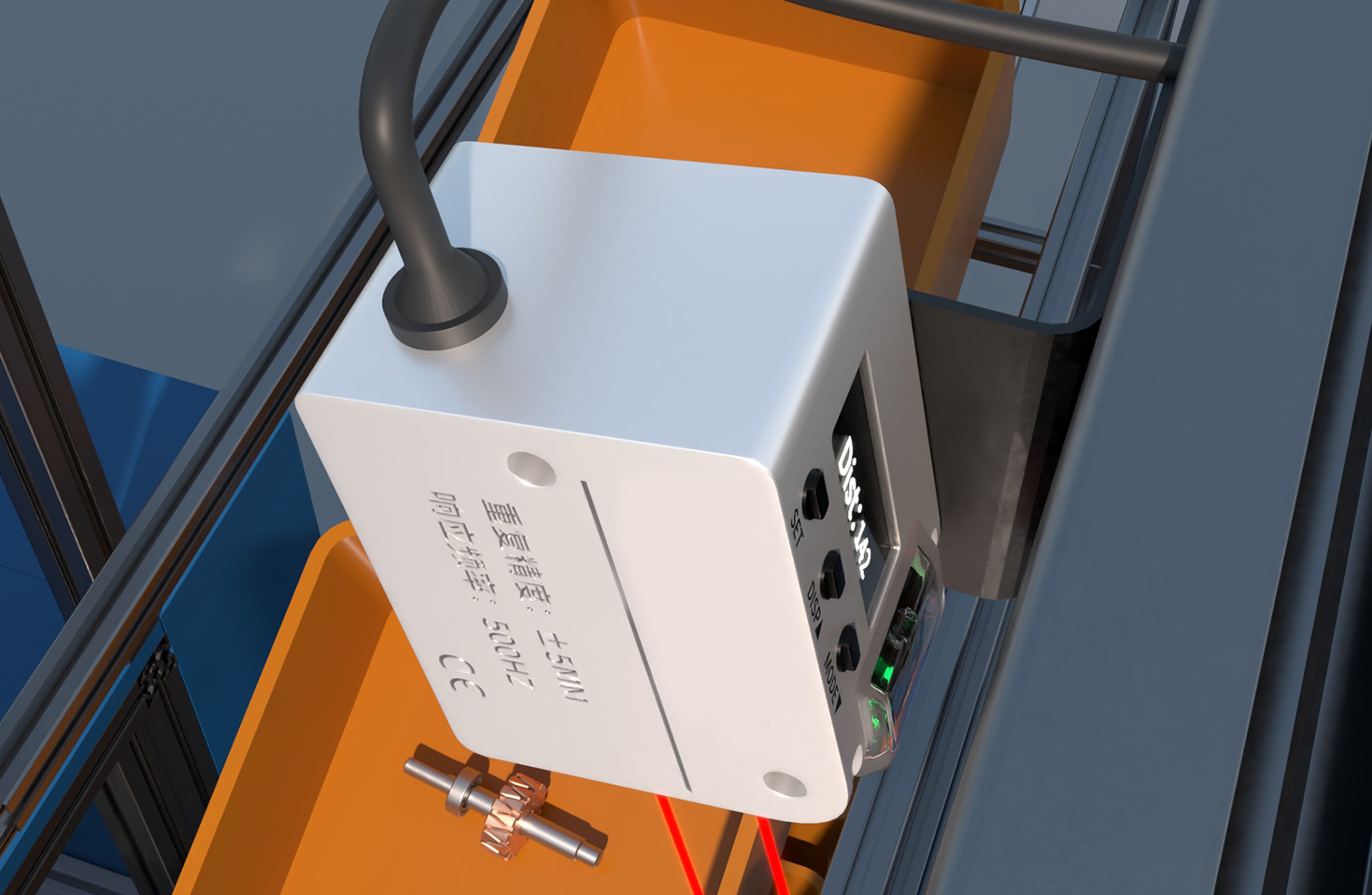
One of the standout advantages of laser static sensors is their ability to detect static from a distance, sometimes up to several meters, without physical contact. This feature minimizes contamination risks and allows for integration into high-speed production lines. For instance, in the plastics industry, where static can cause materials to cling or attract dust, these sensors enable proactive adjustments to ionization systems, reducing waste and downtime. Similarly, in pharmaceutical settings, they help prevent static-induced sparks that could compromise sterile environments.
Moreover, modern laser static sensors are equipped with IoT capabilities, enabling seamless data logging and remote monitoring through industrial networks. This connectivity supports predictive maintenance strategies, as trends in static accumulation can signal equipment wear or environmental changes. Engineers can set automated alerts for threshold breaches, ensuring immediate corrective actions. The sensors' robustness in harsh conditions—such as extreme temperatures or vibrating machinery—further underscores their reliability.
Despite their benefits, implementing laser static sensors requires careful consideration. Factors like target material reflectivity, ambient light interference, and alignment precision must be optimized to avoid false readings. Regular calibration against known standards is essential to maintain accuracy. Industry best practices recommend pairing these sensors with complementary technologies, like ionizers or grounding systems, for a comprehensive static management solution.
Looking ahead, innovations in miniaturization and AI-driven analytics are poised to enhance laser static sensors' capabilities. Future iterations may offer even greater sensitivity and adaptive learning to predict static buildup before it becomes hazardous. As industries increasingly prioritize safety and efficiency, these sensors will continue to play a vital role in mitigating static-related risks, driving productivity, and ensuring regulatory compliance. By embracing this technology, companies can foster safer workplaces and achieve higher operational standards, ultimately contributing to sustainable industrial growth.