In the rapidly evolving landscape of industrial automation, proximity sensor companies stand as pivotal enablers of efficiency, safety, and precision. These specialized firms design and manufacture non-contact detection devices that sense the presence or absence of objects within a defined field, triggering critical actions in machinery and control systems. The technology primarily encompasses inductive, capacitive, ultrasonic, and photoelectric sensors, each tailored for specific materials, environmental conditions, and application demands.
A leading proximity sensor company distinguishes itself through relentless innovation in sensing range, response speed, and environmental robustness. Modern facilities demand sensors that operate flawlessly amidst extreme temperatures, heavy vibration, corrosive substances, and electromagnetic interference. Engineers at these companies focus on miniaturizing designs while enhancing performance, integrating advanced features like IO-Link communication for real-time data exchange and predictive maintenance capabilities. This connectivity transforms simple detection into a rich stream of diagnostic information, forming a cornerstone of the Industrial Internet of Things (IIoT).
The application spectrum is vast and integral to manufacturing. On automated assembly lines, inductive proximity sensors precisely detect metallic components, ensuring correct positioning for robotic arms. In packaging machinery, photoelectric sensors count products and verify label placement. Capacitive sensors manage liquid levels in tanks, while ultrasonic variants handle complex object profiling and distance measurement in logistics automation. Beyond manufacturing, these sensors are vital in automotive safety systems, aerospace, and even consumer electronics.
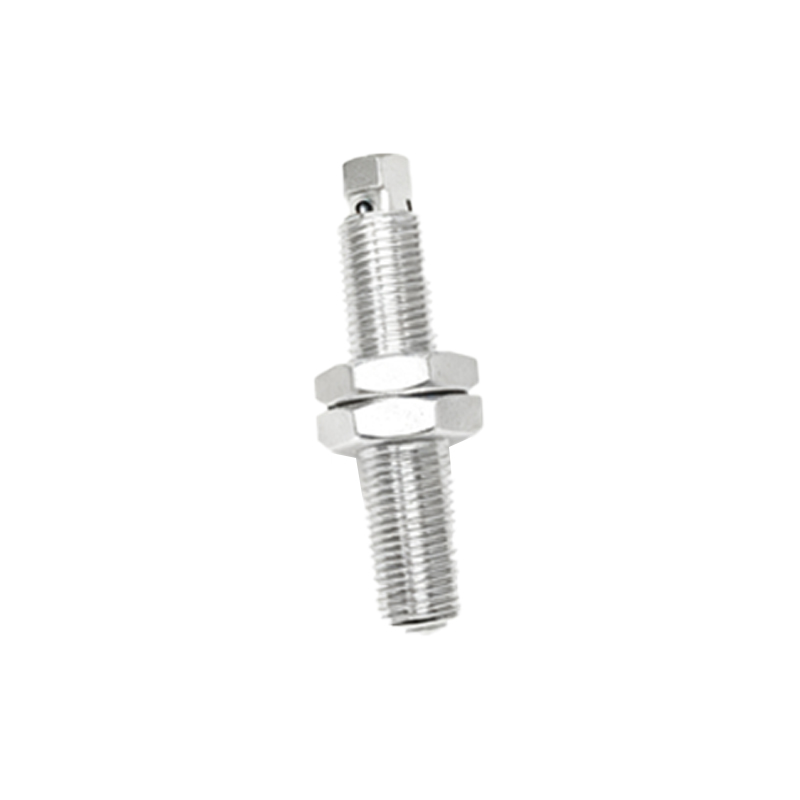
Choosing the right proximity sensor partner is a strategic decision for OEMs and end-users. Key evaluation criteria include the company’s technical support, customization ability, global certification standards (e.g., ATEX, IECEx for hazardous areas), and supply chain reliability. A true industry leader offers not just components, but comprehensive solutions—including detailed application engineering, seamless integration support, and lifecycle services.
The future trajectory points toward smarter, more integrated systems. Developments in miniaturization, energy efficiency, and the fusion of sensing with AI for pattern recognition are on the horizon. As Industry 4.0 matures, the role of the proximity sensor company will expand from a component supplier to a essential architect of intelligent, self-optimizing production environments. Their continuous advancement ensures that machines see, understand, and interact with their surroundings more effectively, driving the next wave of productivity and innovation across the global industrial base.