In the fast-paced world of logistics and supply chain management, precision, speed, and reliability are paramount. The integration of advanced sensing technologies has revolutionized operational workflows, with laser distance sensors emerging as a critical component for optimizing material handling, inventory management, and automated systems. These sensors utilize laser beams to measure distances with exceptional accuracy, providing real-time data that drives efficiency and reduces errors in logistics environments.
Laser distance sensors operate on the principle of time-of-flight or phase-shift measurement. A laser diode emits a focused beam of light toward a target, such as a package, pallet, or storage rack. The sensor then detects the reflected light and calculates the distance based on the time taken for the light to return. This non-contact measurement method ensures minimal wear and tear, high repeatability, and the ability to function in diverse conditions, including dusty warehouses or varying lighting scenarios. In logistics applications, this translates to precise positioning of goods, automated dimensioning for shipping, and accurate level monitoring in silos or containers.
One of the primary applications of laser distance sensors in logistics is automated guided vehicles (AGVs) and autonomous mobile robots (AMRs). These systems rely on sensors for navigation, obstacle detection, and load handling. By continuously scanning their surroundings, laser sensors enable AGVs to maneuver safely through dynamic environments, avoiding collisions and optimizing travel paths. This enhances throughput in distribution centers and reduces the need for manual intervention, leading to significant cost savings and improved safety.
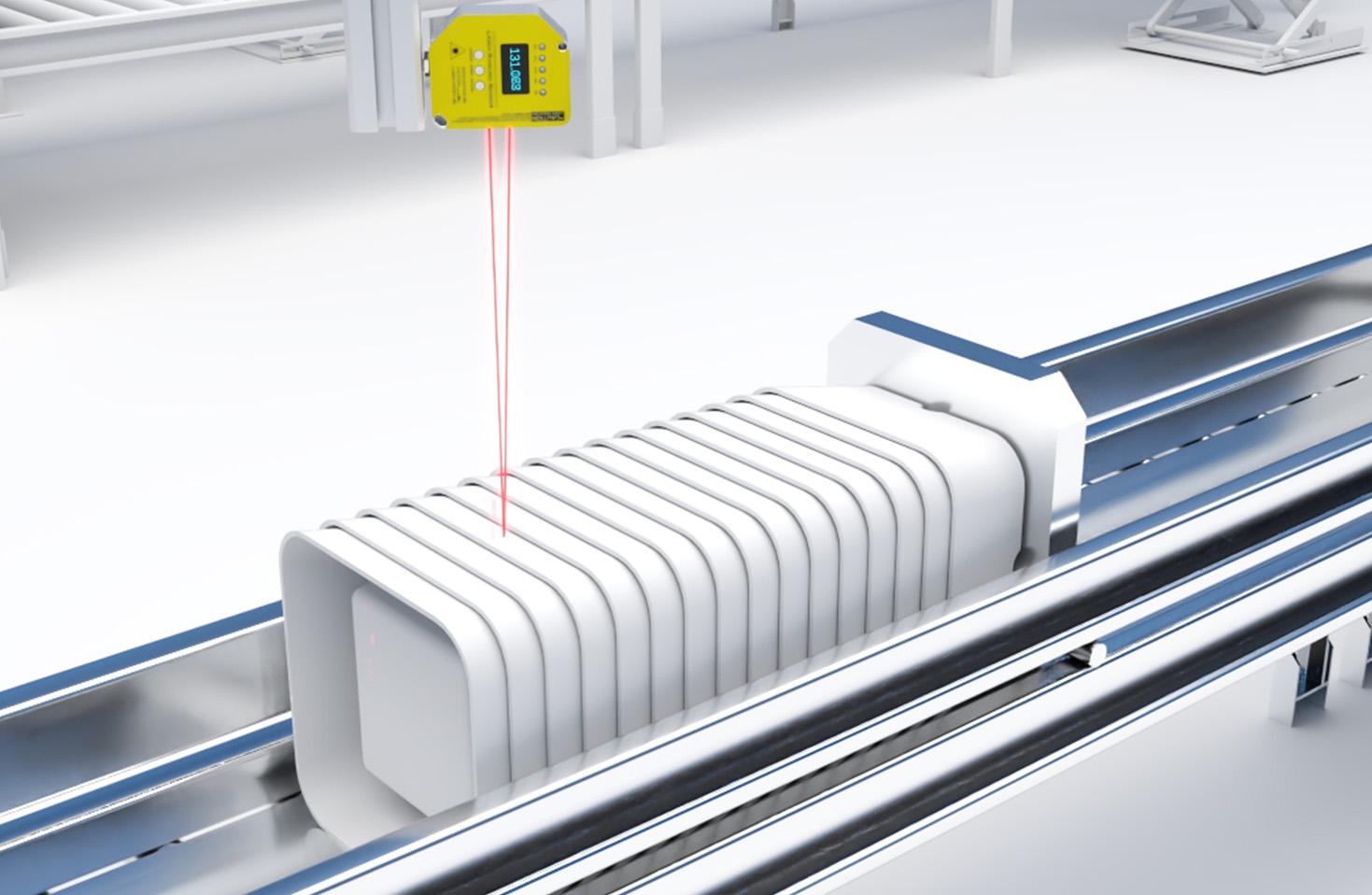
Another key area is inventory management and warehouse automation. Laser sensors are employed in automated storage and retrieval systems (AS/RS) to precisely locate items on shelves or racks. They facilitate dynamic slotting, where inventory placement is optimized based on size, weight, and demand patterns. Additionally, dimensioning systems use laser sensors to capture the exact measurements of packages, ensuring accurate billing, efficient space utilization in transport vehicles, and compliance with carrier regulations. This eliminates manual measuring errors and accelerates the sorting and shipping processes.
In conveyor systems, laser distance sensors monitor product flow, detect jams, and verify package orientation. They can trigger sorting mechanisms based on size or destination, streamlining operations in high-volume facilities. For bulk material handling, such as in ports or manufacturing plants, these sensors provide reliable level measurements in tanks or hoppers, preventing overflows or shortages that could disrupt supply chains.
The advantages of laser distance sensors extend beyond accuracy. They offer fast response times, often in the millisecond range, which is crucial for real-time logistics operations. Their robust design allows them to withstand vibrations, temperature fluctuations, and exposure to contaminants, ensuring longevity in harsh industrial settings. Moreover, with the rise of Industry 4.0 and the Internet of Things (IoT), these sensors can be integrated into networked systems, enabling data analytics, predictive maintenance, and seamless communication with enterprise resource planning (ERP) software. This connectivity supports smarter decision-making and adaptive logistics strategies.
Despite their benefits, implementing laser distance sensors requires careful consideration. Factors such as sensor range, resolution, beam type (e.g., point or line laser), and environmental interference must be evaluated to match specific application needs. Regular calibration and maintenance are essential to sustain performance, though modern sensors often feature self-diagnostic capabilities to minimize downtime.
Looking ahead, advancements in sensor technology, including the development of more compact, energy-efficient models and enhanced software algorithms, will further expand their role in logistics. As e-commerce continues to grow and supply chains become increasingly complex, laser distance sensors will remain indispensable tools for achieving operational excellence. By delivering precise, actionable data, they empower businesses to enhance productivity, reduce waste, and meet the evolving demands of global commerce.
In summary, logistics laser distance sensors are transformative devices that bridge the gap between physical operations and digital intelligence. Their ability to provide accurate, non-contact measurements supports automation, safety, and efficiency across the supply chain. For engineers and logistics professionals, understanding and leveraging this technology is key to building resilient, future-ready systems that thrive in a competitive landscape.