In the realm of industrial automation, square proximity sensors play a pivotal role in detecting the presence or absence of objects without physical contact. As a seasoned electrical engineer with years of experience in sensor technology, I aim to demystify the pricing factors associated with square proximity sensor proxies, which are often procured through distributors or agents. This article delves into the key elements that influence cost, offering insights for procurement professionals and engineers alike.
Square proximity sensors, known for their robust design and reliable performance, are widely used in manufacturing, packaging, and material handling systems. Their pricing as proxy products—handled by authorized agents or resellers—varies significantly based on several technical and market-driven factors. Firstly, the sensing technology employed, such as inductive, capacitive, or ultrasonic, directly impacts the price. Inductive sensors, commonly used for metal detection, tend to be more affordable due to their widespread availability and mature manufacturing processes. In contrast, capacitive sensors, which can detect non-metallic materials, often command a higher price due to their specialized components and calibration requirements.
Another critical factor is the sensor's specifications, including sensing range, output type (e.g., NPN, PNP, or analog), and housing material. Sensors with extended sensing ranges or high-precision outputs typically incur higher costs. For instance, a square proximity sensor with a 20mm range and IP67-rated stainless steel housing will be priced higher than a basic plastic-housed model with a 5mm range. Additionally, certifications like CE, UL, or ATEX for hazardous environments add to the production expenses, reflecting in the proxy pricing.
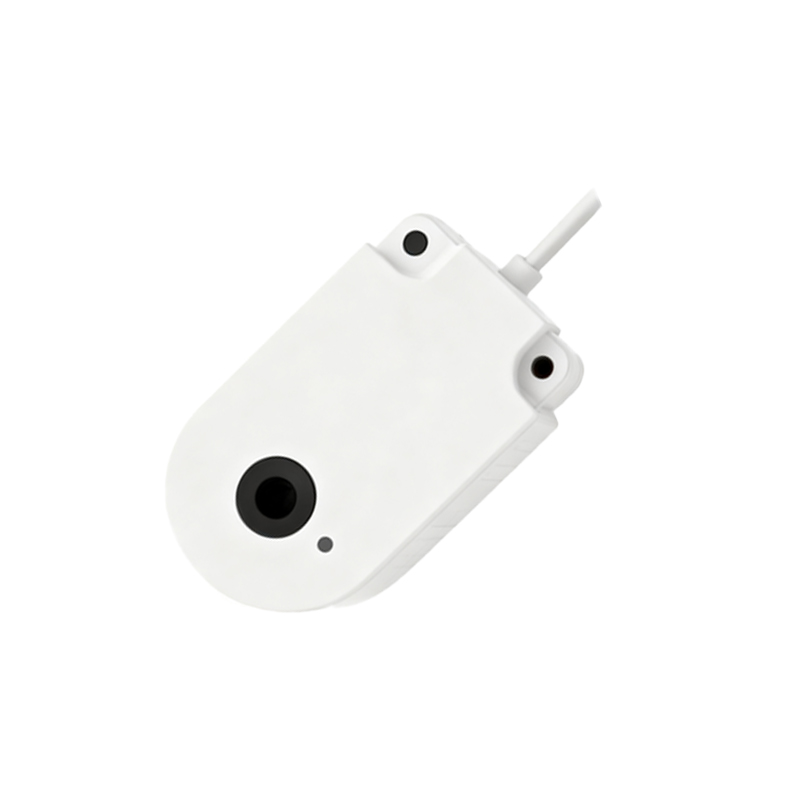
The supply chain dynamics also play a crucial role. Authorized agents or distributors often set prices based on manufacturer agreements, volume discounts, and regional market conditions. Bulk purchases from agents can lead to substantial cost savings, whereas single-unit orders may attract premium rates. Moreover, global factors such as raw material shortages, currency fluctuations, and logistics challenges can cause price volatility. For example, recent disruptions in semiconductor supply chains have led to increased prices for sensors with integrated electronic components.
When evaluating square proximity sensor proxies, it's essential to consider total cost of ownership (TCO) rather than just the initial purchase price. Factors like durability, maintenance needs, and compatibility with existing systems can affect long-term expenses. High-quality proxies from reputable agents may offer better reliability and support, reducing downtime and replacement costs in industrial settings. Engineers should also assess the agent's technical support, warranty terms, and lead times, as these services contribute to the overall value proposition.
In conclusion, the pricing of square proximity sensor proxies is a multifaceted issue influenced by technology, specifications, market forces, and agent relationships. By understanding these factors, industry professionals can make informed decisions that balance cost with performance, ensuring efficient and cost-effective automation solutions. As the demand for smart manufacturing grows, staying updated on pricing trends and agent offerings will be key to optimizing procurement strategies.