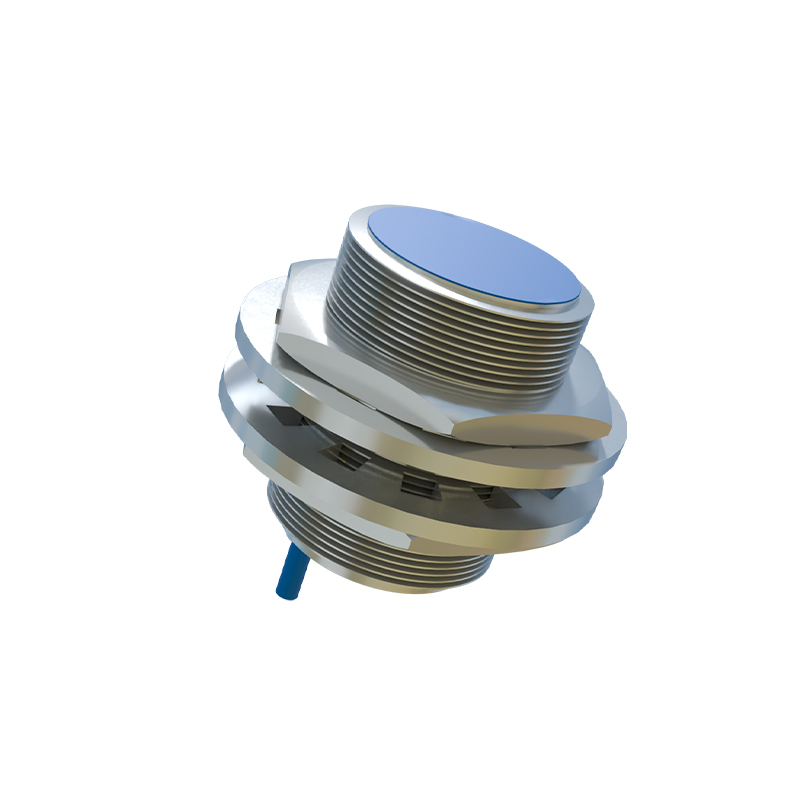
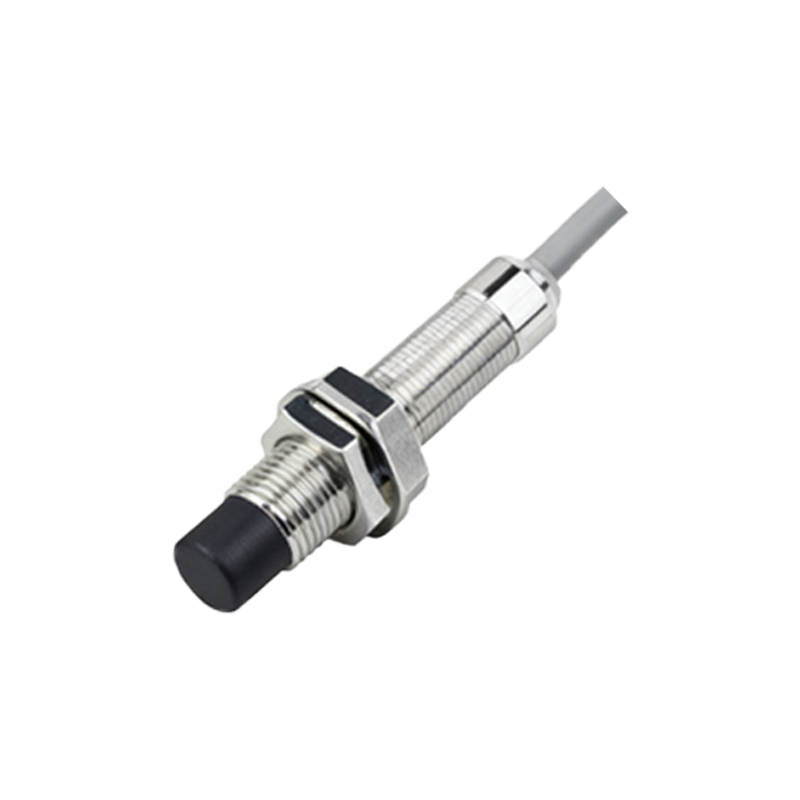
In the rapidly evolving landscape of industrial automation, the demand for tailored sensing solutions has never been higher. Custom proximity sensor designs are pivotal in addressing unique operational challenges, enhancing efficiency, and ensuring reliability across diverse applications. This article delves into the intricacies of developing bespoke proximity sensor systems, highlighting key considerations, technological advancements, and implementation strategies.
Proximity sensors, which detect the presence or absence of objects without physical contact, are fundamental components in manufacturing, robotics, and safety systems. Off-the-shelf sensors often fall short in specialized environments due to factors like extreme temperatures, electromagnetic interference, or specific material compositions. Customization allows engineers to optimize parameters such as sensing range, output type, housing material, and environmental resistance. For instance, in automotive assembly lines, sensors may require enhanced durability against oil and vibration, while in food processing, stainless steel housings and washdown capabilities are essential to meet hygiene standards.
The process of designing a custom proximity sensor begins with a thorough analysis of the application requirements. This includes defining the target material (e.g., metals, plastics, liquids), required detection distance, response time, and interface protocols (e.g., IO-Link, analog outputs). Collaboration between clients and engineering teams ensures that the sensor integrates seamlessly with existing machinery and control systems. Advanced simulation tools and prototyping are employed to validate performance under real-world conditions, minimizing development time and cost.
Technological innovations have expanded the possibilities for customization. Inductive, capacitive, and magnetic proximity sensors can be tailored with specialized coils, circuits, or firmware to detect non-ferrous metals, transparent materials, or even liquid levels. Miniaturization trends enable compact designs for space-constrained installations, while smart sensors with embedded diagnostics offer predictive maintenance features, reducing downtime. Additionally, energy-efficient designs contribute to sustainability goals by lowering power consumption in large-scale deployments.
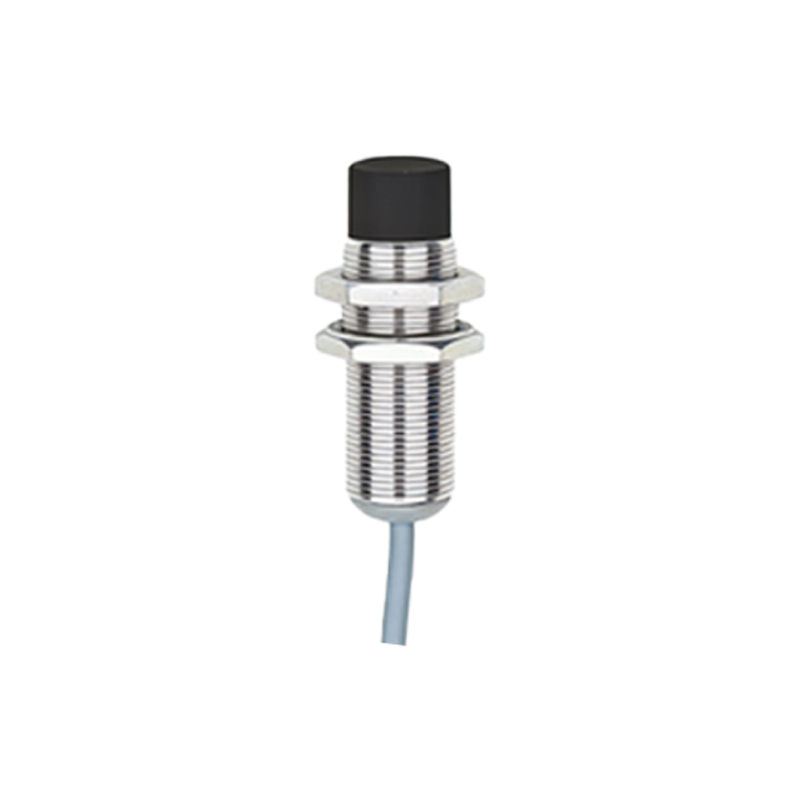
Implementing a custom sensor solution requires rigorous testing for reliability and compliance with industry standards such as IEC 60947-5-2 or ATEX for hazardous areas. Long-term support, including calibration services and firmware updates, ensures optimal performance throughout the sensor’s lifecycle. Case studies from sectors like aerospace, where sensors monitor critical components in high-vibration environments, demonstrate how customization enhances precision and safety.
In conclusion, custom proximity sensor solutions empower industries to overcome limitations of standard products, driving innovation and operational excellence. By leveraging expert engineering and cutting-edge technology, businesses can achieve tailored sensing that aligns with their specific needs, ultimately boosting productivity and competitiveness in the global market.