Proximity sensors are pivotal components in modern industrial automation, serving as the eyes of machinery by detecting the presence or absence of objects without physical contact. In the realm of sensor classification, proximity sensors are primarily categorized as non-contact sensors, falling under the broader class of position or displacement sensors. According to international standards such as IEC 60947-5-2, they are often classified based on their operating principles, which include inductive, capacitive, ultrasonic, and photoelectric types.
Inductive proximity sensors are the most common in industrial settings, designed to detect metallic objects. They operate by generating an electromagnetic field, and when a metal object enters this field, it induces eddy currents, causing a change in the oscillation amplitude. This change triggers the sensor's output switch. These sensors are robust, reliable, and ideal for harsh environments with dust, oil, or moisture. Typical applications include position sensing in conveyor systems, machine tool safety, and metal detection in automotive assembly lines.
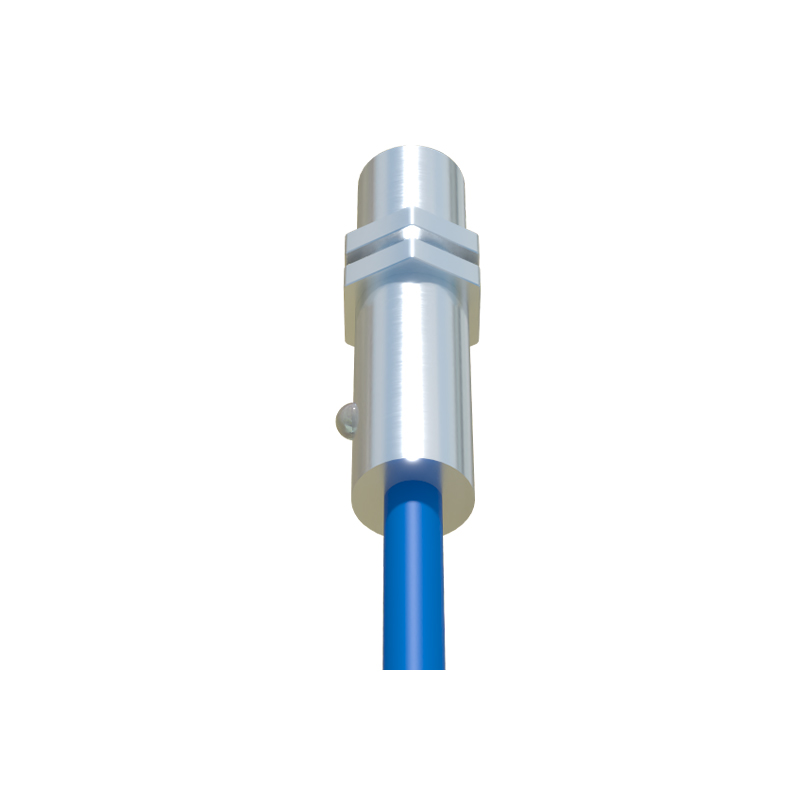
Capacitive proximity sensors, on the other hand, can detect both metallic and non-metallic materials such as plastics, liquids, or wood. They work by measuring changes in capacitance when an object enters their electrostatic field. This versatility makes them suitable for level detection in tanks, material handling, and packaging industries where diverse materials are processed. However, they may be sensitive to environmental factors like humidity, requiring careful calibration.
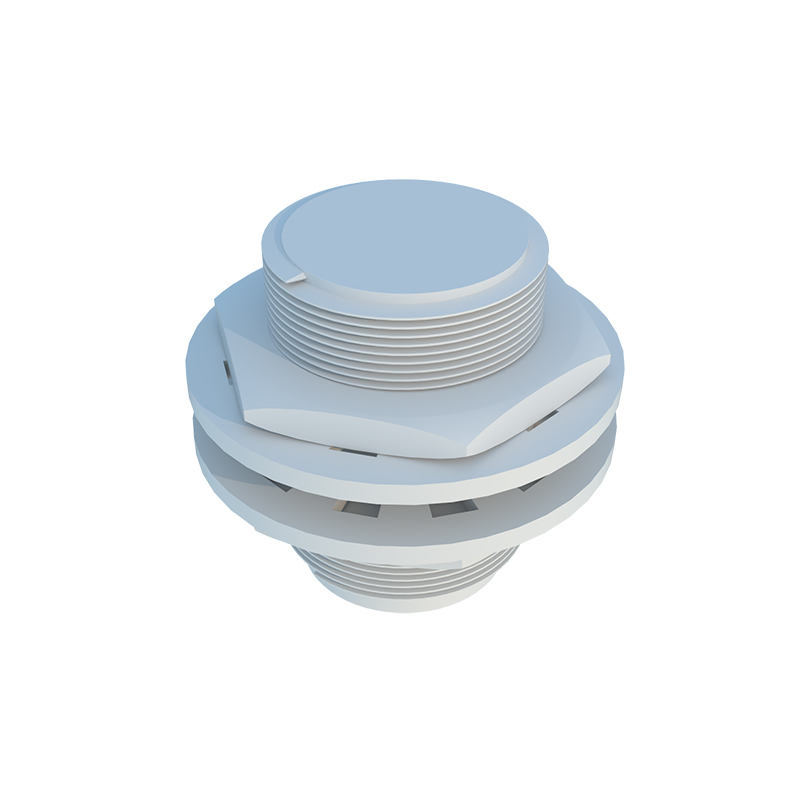
Ultrasonic proximity sensors use sound waves beyond human hearing to detect objects. They emit high-frequency pulses and measure the time taken for the echo to return, calculating distance based on sound speed. These sensors excel in detecting transparent or irregularly shaped objects, making them valuable in robotics, liquid level monitoring, and obstacle avoidance systems. Their performance can be affected by temperature variations or acoustic interference, but advancements in technology have improved their accuracy.
Photoelectric proximity sensors rely on light beams, typically infrared, to sense objects. They consist of an emitter and a receiver; when an object interrupts the light beam, the sensor activates. These sensors offer long detection ranges and high precision, commonly used in counting applications, automated doors, and quality control inspections. However, they may struggle in environments with heavy dust or direct sunlight.
In terms of classification, proximity sensors are often grouped into two main categories based on output type: digital (switching) and analog (continuous). Digital sensors provide a simple on/off signal, ideal for presence detection, while analog sensors output a variable signal proportional to distance, enabling precise measurement tasks. This distinction aligns with industrial needs for both binary control and nuanced monitoring.
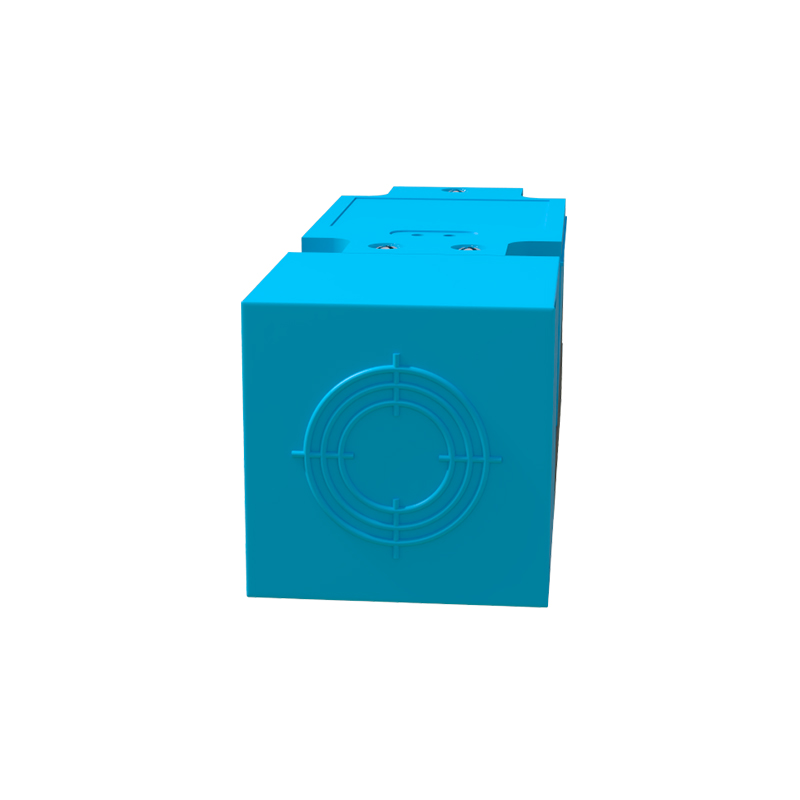
From a safety perspective, proximity sensors are integral to machine guarding and risk reduction, often complying with standards like ISO 13849 for functional safety. Their non-contact nature minimizes wear and tear, enhancing longevity and reducing maintenance costs. In smart factories and Industry 4.0 initiatives, these sensors contribute to data collection for predictive analytics, enabling real-time adjustments and efficiency improvements.
Overall, proximity sensors represent a critical class of non-contact sensors within the broader sensor taxonomy. Their diverse operating principles and applications underscore their adaptability across industries, from manufacturing and logistics to healthcare and consumer electronics. As technology evolves, innovations in miniaturization, wireless connectivity, and AI integration are expanding their capabilities, ensuring they remain indispensable in automated systems. Engineers selecting proximity sensors must consider factors like detection range, material compatibility, environmental conditions, and cost to optimize performance. By understanding their classification and functionalities, professionals can leverage these sensors to enhance operational reliability and innovation in electrical and automation projects.