In the realm of industrial automation and control systems, proximity switches are indispensable for non-contact detection of objects. Among the various sensing technologies available, those utilizing the Hall Effect have carved out a significant niche due to their reliability, longevity, and versatility. This article delves into the operational principles, key advantages, common applications, and critical selection criteria for Hall Effect-based proximity switches.
The fundamental principle behind a Hall Effect sensor is straightforward. When a current-carrying conductor is placed in a magnetic field, a voltage difference, known as the Hall voltage, is generated perpendicular to both the current and the field. In a Hall Effect proximity switch, this conductor is a semiconductor element. The switch is designed to detect the presence or absence of a magnetic field, typically from a permanent magnet attached to the target object. When the magnet approaches the sensor face, the magnetic flux density increases, causing the Hall voltage to rise. An integrated circuit within the sensor processes this signal, triggering a solid-state output switch (typically NPN or PNP transistor) when a predefined threshold is crossed. This action changes the state of the switch from "open" to "closed" or vice versa, providing a clean signal to a programmable logic controller (PLC) or other control device.
The advantages of Hall Effect proximity switches over other types, such as inductive or capacitive sensors, are numerous. First, they are true solid-state devices with no moving parts, leading to exceptionally high reliability and an almost infinite operational life in terms of switching cycles. They are immune to contaminants like dust, oil, and moisture, making them ideal for harsh industrial environments. Their switching frequency is very high, allowing them to detect rapidly moving objects. Furthermore, they are not affected by the material of the target object; they only require a magnetic field, which means they can detect non-ferrous metals, plastics, or any material as long as a magnet is embedded. The output signal is precise and repeatable, with minimal hysteresis.
These characteristics make Hall Effect proximity switches suitable for a wide array of applications. Common uses include:
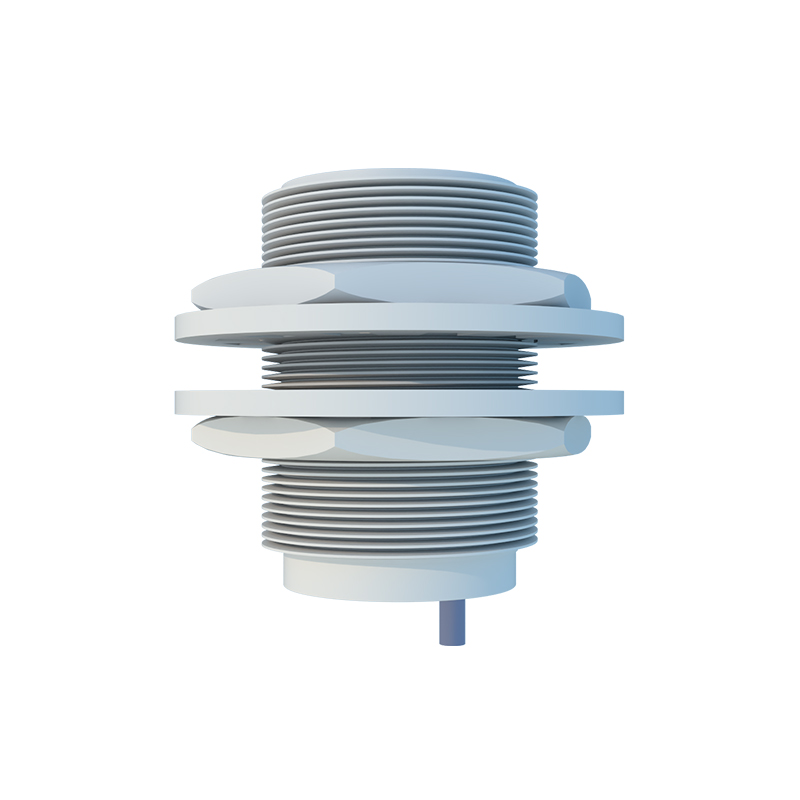
Position Sensing: Detecting the open/closed position of doors, valves, or linear actuators.
Speed Measurement: Counting gear teeth or pulses on a rotating shaft for RPM calculation in motors and engines.
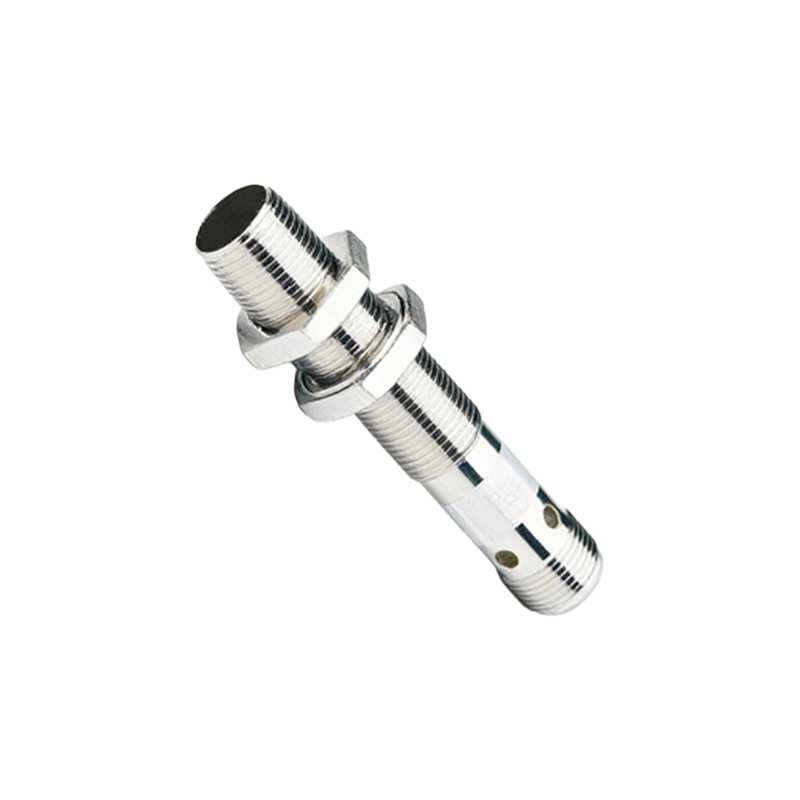
Limit Switching: Providing end-of-travel signals in automated machinery and robotics.
Fluid Level Detection: Using a float with an embedded magnet to indicate high or low levels in tanks.
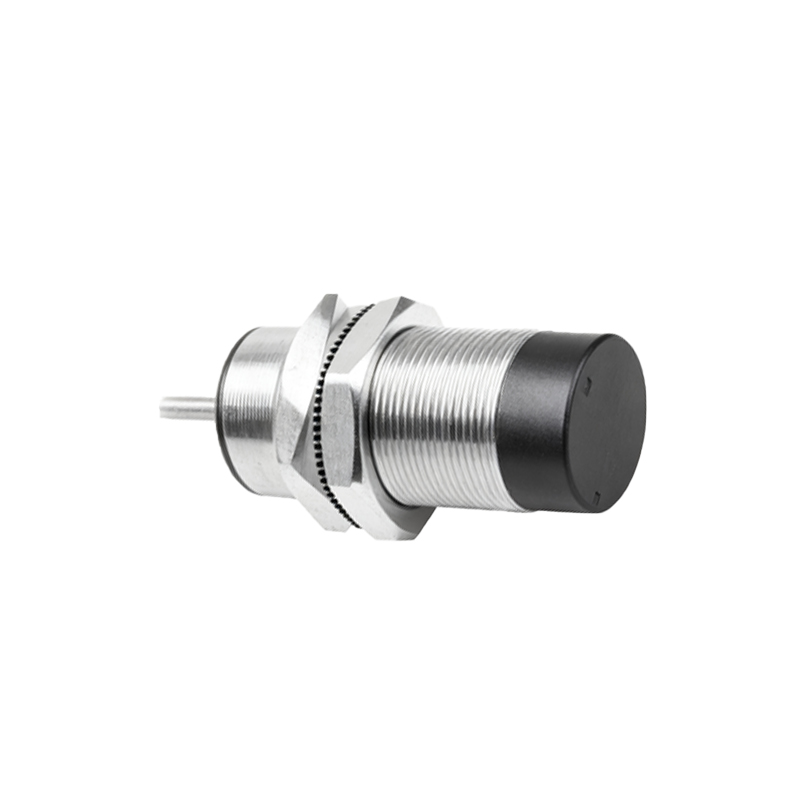
Consumer Electronics: Serving as the sensing element in laptop lid switches or smartphone flip covers.
When selecting a Hall Effect proximity switch for a specific application, several parameters must be carefully considered:
1. Sensing Distance: The nominal operating distance at which the switch will reliably detect the magnet. This is typically shorter than inductive sensors and is specified for a standard magnet.
2. Output Configuration: The choice between NPN (sinking) and PNP (sourcing) transistor outputs must match the input requirements of the controller. Digital (on/off) outputs are standard, but analog outputs (providing a voltage proportional to field strength) are available for precise positioning.
3. Supply Voltage: Common DC voltage ranges are 5V, 12-24V, or 10-30V DC. Ensure compatibility with the plant's power system.
4. Electrical Connection: Options include pre-wired cables, quick-disconnect connectors (e.g., M8, M12), or terminal blocks.
5. Housing Material and Protection Rating: The housing, often made of nickel-plated brass, stainless steel, or PBT plastic, must withstand the environmental conditions. The Ingress Protection (IP) rating (e.g., IP67, IP69K) indicates resistance to dust and water.
6. Temperature Range: The operational temperature range must encompass the ambient conditions of the application.
In conclusion, Hall Effect proximity switches offer a robust, precise, and maintenance-free solution for magnetic field-based object detection. Their unique operating principle grants them capabilities that other sensor types lack, particularly in detecting non-metallic objects or operating in contaminated areas. By understanding their fundamentals and carefully matching the sensor specifications to the application requirements, engineers and technicians can leverage these devices to enhance the reliability and efficiency of automated systems across countless industries.