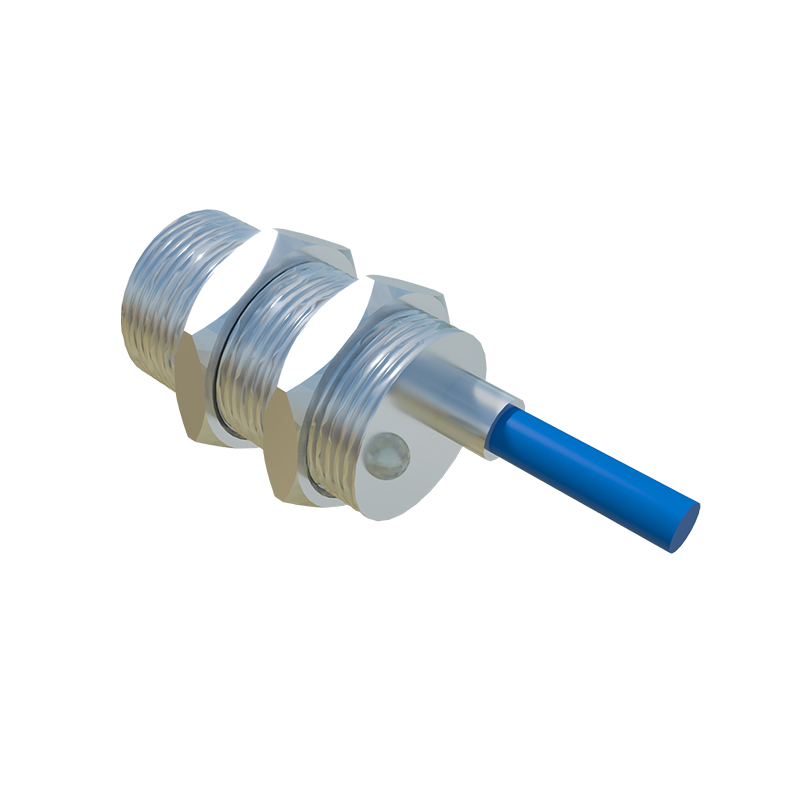
In the realm of industrial automation and control systems, the reliability and precision of sensing components are paramount. Among these critical components, proximity switch sensor glass stands out as a sophisticated material solution engineered to meet the rigorous demands of modern manufacturing, packaging, robotics, and safety applications. This specialized glass is not merely a protective cover; it is an integral, performance-defining element of inductive, capacitive, and photoelectric proximity sensors.
The primary function of sensor glass in a proximity switch is to serve as a hermetic, transparent, or semi-transparent barrier between the sensor's internal electronics—such as an oscillator coil, capacitor plate, or LED/phototransistor pair—and the often harsh external environment. This barrier must fulfill a complex set of requirements simultaneously. It must be mechanically robust to withstand physical impact, vibration, and pressure washing. It must exhibit exceptional chemical resistance to oils, coolants, solvents, and other aggressive substances common in industrial settings. Perhaps most critically, it must have minimal impact on the sensor's electromagnetic or optical field, ensuring accurate and consistent detection without signal attenuation or distortion.
Engineers specify sensor glass based on precise dielectric and optical properties. For inductive proximity sensors, which detect metallic objects, the glass must have a low dielectric constant and low loss tangent to allow the high-frequency electromagnetic field to penetrate with minimal energy loss. Any significant dielectric property in the glass would dampen the field, reducing the sensor's effective sensing range and stability. For capacitive sensors, designed to detect both metallic and non-metallic materials, the glass's dielectric constant becomes a carefully calibrated part of the sensor's overall capacitance system. In photoelectric sensors, the glass must offer high transmission in specific wavelength ranges (e.g., infrared for many applications) with excellent clarity and minimal scattering to ensure a strong, clean light signal.
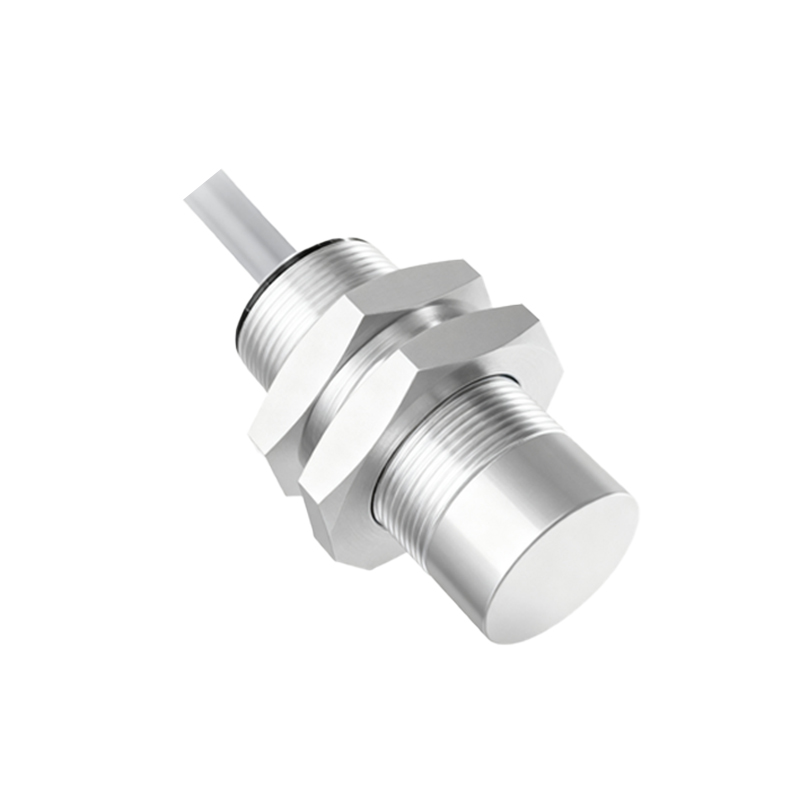
The manufacturing of proximity switch sensor glass involves advanced techniques like precision grinding, polishing, and often, the application of specialized coatings. Anti-reflective coatings are common on photoelectric sensor windows to maximize light throughput. Conductive coatings, such as Indium Tin Oxide (ITO), may be applied to capacitive sensor glass to create a defined sensing electrode or to provide electromagnetic interference (EMI) shielding. The glass composition itself is typically a borosilicate or aluminosilicate type, chosen for its thermal stability, hardness, and tailored electrical properties. The edges are often meticulously beveled or chamfered to prevent chipping during installation and to ensure a proper seal within the sensor housing.
Selection criteria extend beyond basic material properties. Engineers must consider the operating temperature range, ensuring the glass can withstand thermal cycling without cracking or degrading its seal. The coefficient of thermal expansion (CTE) must be compatible with the metal or plastic housing to prevent stress fractures. In food, pharmaceutical, or cleanroom applications, the glass surface must be ultra-smooth and non-porous to meet hygiene standards and allow for easy, effective cleaning. Furthermore, the long-term stability of the glass's properties is non-negotiable; a sensor must perform identically on its first day and after years of continuous operation.
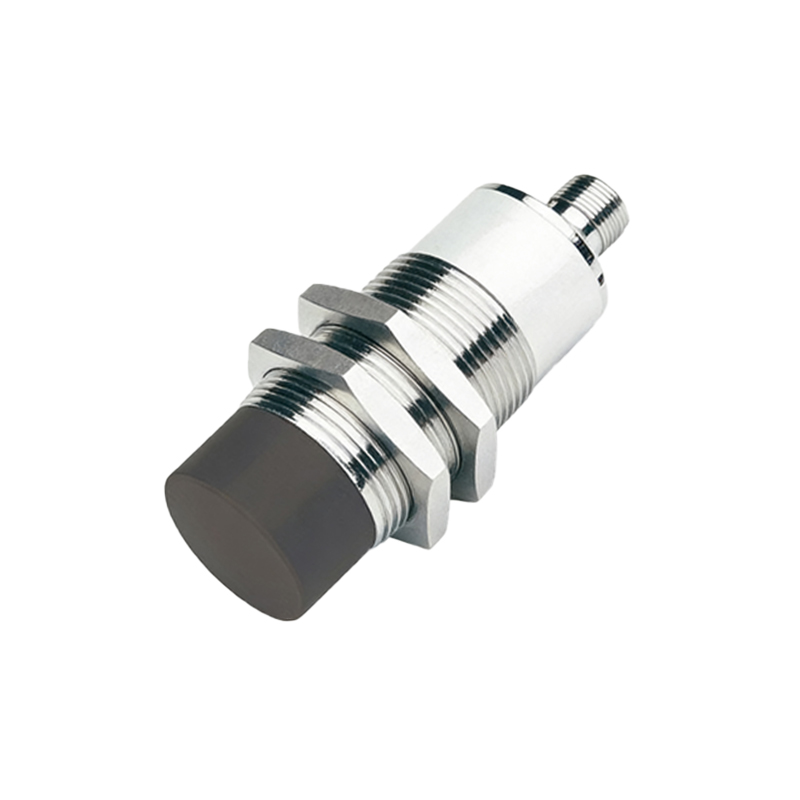
The consequence of specifying inferior or incorrect sensor glass is direct operational failure. Clouding or etching from chemical exposure can blind an optical sensor. Micro-cracks from thermal stress can compromise the hermetic seal, allowing moisture ingress that leads to internal corrosion and circuit failure. Inconsistent dielectric properties can cause drift in the sensing distance, leading to false triggers or missed detections—events that can halt a production line, cause machine damage, or compromise safety systems.
In conclusion, proximity switch sensor glass represents a pinnacle of materials engineering where physics, chemistry, and mechanical design converge. It is a silent guardian, enabling sensors to perform flawlessly in environments where they are subjected to extreme conditions. For system designers and maintenance engineers, a deep understanding of this component's role and specifications is crucial. It underscores a fundamental principle in industrial design: the highest performance and reliability are achieved not by a single brilliant device, but through the meticulous optimization and integration of every constituent part, down to the very glass that forms its interface with the world.