In the realm of industrial automation and machine design, proximity sensors are indispensable components for non-contact object detection. Among the various sensing ranges available, the 5cm (approximately 2 inches) proximity sensor represents a highly versatile and widely adopted category. This article delves into the technology, selection criteria, and practical applications of these sensors, providing a comprehensive guide for engineers and system integrators.
Technology Behind 5cm Sensing
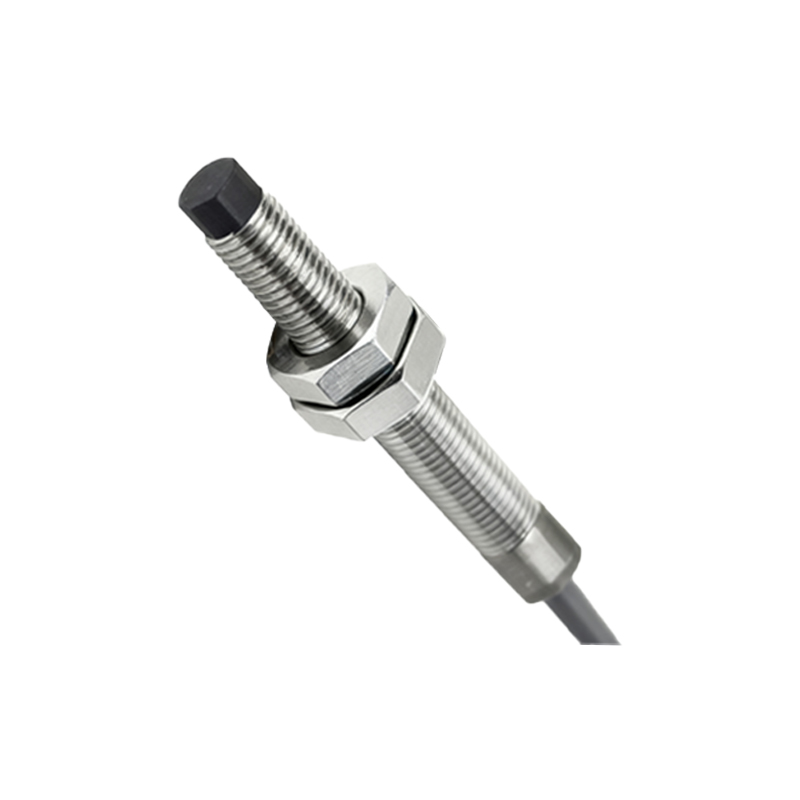
Proximity sensors operating at a 5cm range primarily utilize three core technologies: inductive, capacitive, and photoelectric. Inductive sensors are the most common for this range when detecting metallic objects. They generate an electromagnetic field; when a metal target enters this field, it induces eddy currents, causing a change in oscillation amplitude that triggers the sensor's output. Their 5cm range is ideal for precise metal detection in machinery without being overly sensitive to distant background objects.
Capacitive sensors can detect both metallic and non-metallic materials (plastics, wood, liquids) by measuring changes in capacitance. A 5cm range capacitive sensor is frequently employed in level detection, material handling, and presence sensing of non-conductive materials. Photoelectric sensors, using modulated infrared light, offer a precise 5cm sensing window for detecting objects regardless of material composition, relying on the reflection or interruption of a light beam.
Key Selection Parameters
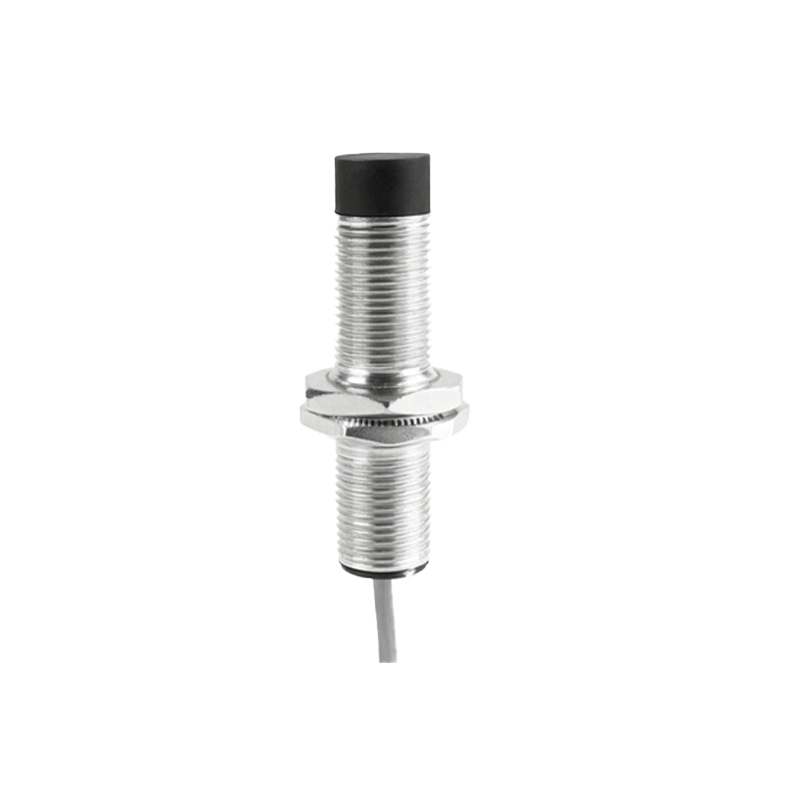
Choosing the right 5cm proximity sensor requires careful consideration of several parameters beyond just the nominal range. First, the sensing object is critical: inductive for metals, capacitive for various materials, and photoelectric for general purpose. The output configuration (PNP/NPN, NO/NC) must match the controller's input card specifications (e.g., PLC). Environmental robustness is paramount; look for IP (Ingress Protection) ratings like IP67 for resistance to dust and temporary immersion, which is standard for harsh industrial environments. Switching frequency determines how fast the sensor can detect objects passing by, crucial for high-speed assembly lines. Finally, physical factors like housing style (cylindrical, rectangular), connection type (pre-wired, connector), and mounting constraints (flush or non-flush for inductive) directly impact installation and performance.
Typical Industrial Applications

The 5cm sensing distance is a sweet spot for numerous applications. In automated assembly, these sensors verify the presence of a component (e.g., a metal bracket or a plastic housing) before a robotic arm proceeds with the next operation. On conveyor systems, they count products, detect jams, or initiate sorting mechanisms. In machine tools, they serve as end-of-travel limit switches for moving parts, providing a reliable non-contact alternative to mechanical limit switches. Capacitive sensors at 5cm are perfect for monitoring fill levels in bins or hoppers containing granules, powders, or liquids. Furthermore, in packaging machinery, photoelectric sensors ensure a carton is in position before applying a label or sealing flap.
Installation and Calibration Best Practices
Correct installation is vital for reliable operation. For inductive sensors, ensure the correct mounting (flush or non-flush) as specified to achieve the rated 5cm sensing distance. Maintain a sufficient margin from the sensing surface; the effective sensing point (Sn) should typically be 80-90% of the nominal 5cm range to account for temperature drift, voltage fluctuations, and target material variations. Always observe the recommended side-distance from other metal objects or adjacent sensors to prevent mutual interference. For photoelectric types, keep the lens clean and align the emitter and receiver precisely. Regular functional testing with the target object under normal operating conditions is recommended as part of preventive maintenance.
Advantages and Limitations
The primary advantage of a 5cm range sensor is its optimal balance between precision and utility. It is close enough for accurate positioning yet far enough to allow for mechanical tolerances and avoid physical collisions. It offers excellent noise immunity compared to longer-range sensors. However, limitations exist. The fixed range is not suitable for applications requiring variable distances. Inductive sensors are blind to non-metals. Environmental factors like extreme temperatures, strong magnetic fields, or heavy airborne contaminants (oil mist, dust) can affect performance, necessitating careful model selection with appropriate certifications (e.g., high-temperature variants).
In conclusion, the 5cm proximity sensor is a fundamental building block in modern industrial control systems. Its effectiveness hinges on a methodical selection process that aligns sensor technology with the specific application's physical, electrical, and environmental demands. By understanding the underlying principles and adhering to installation best practices, engineers can ensure robust, reliable, and long-lasting sensor performance, thereby enhancing overall system efficiency and uptime.
SEO