In the realm of industrial automation and control systems, proximity sensors are indispensable components. Their primary function is to detect the presence or absence of an object within a specified range without any physical contact. A fundamental aspect of their operation, often queried by engineers and technicians, is the nature of their output signal upon detection—essentially, what kind of "reaction" they produce. This reaction is formally defined by the sensor's output type and switching logic, which are critical for proper integration into control circuits.
The core "reaction" of a proximity sensor is an electrical signal change at its output terminals. This change is triggered when a target object enters the sensor's effective sensing range. The most common categorization of this response is based on the technology used: inductive, capacitive, or photoelectric. However, from an electrical and control perspective, the reaction is best understood through its output configuration.
The two primary output types are Digital (Discrete) and Analog. Digital output sensors provide a clear on/off signal. When a target is detected, the sensor's output state switches. This switching can be further defined as either Normally Open (NO) or Normally Closed (NC). A Normally Open (NO) sensor does not allow current to flow in its idle state (no target present). Its "reaction" to a target is to close the switch, completing the circuit and allowing current to flow to the connected load, such as a PLC input or a relay coil. Conversely, a Normally Closed (NC) sensor allows current to flow in its idle state. Its reaction to a target is to open the switch, interrupting the circuit. The choice between NO and NC is crucial for fail-safe design; an NC configuration can signal a fault condition (like a broken wire) as an "off" state.
Digital sensors are further characterized by their solid-state switching element. The most prevalent types are:
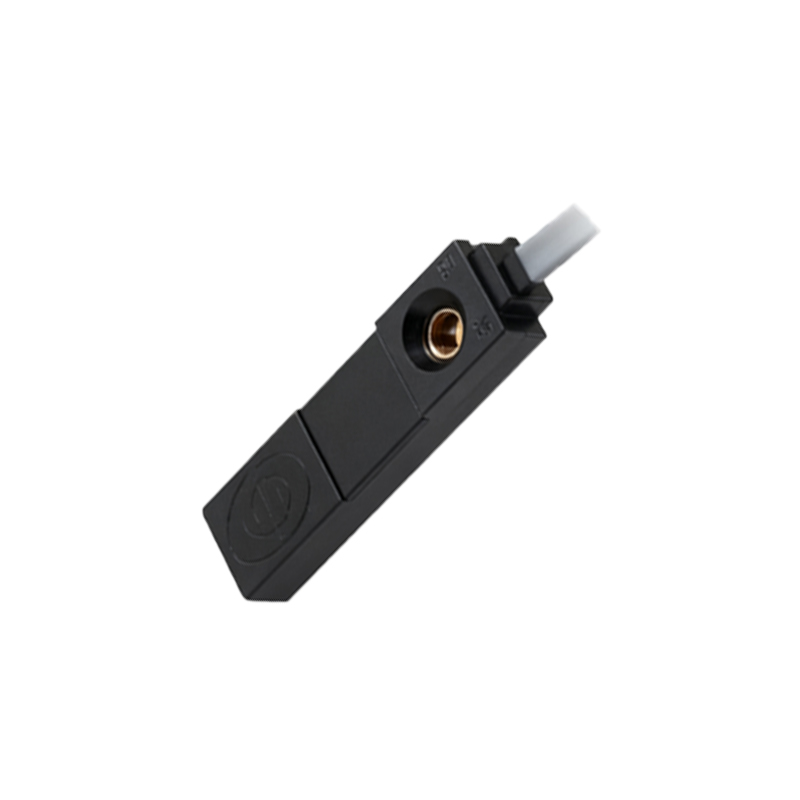
PNP (Sourcing): The sensor switches the positive voltage line to the load. When activated, it "sources" current from the positive supply to the load.
NPN (Sinking): The sensor switches the negative or ground line to the load. When activated, it "sinks" current from the load to ground.
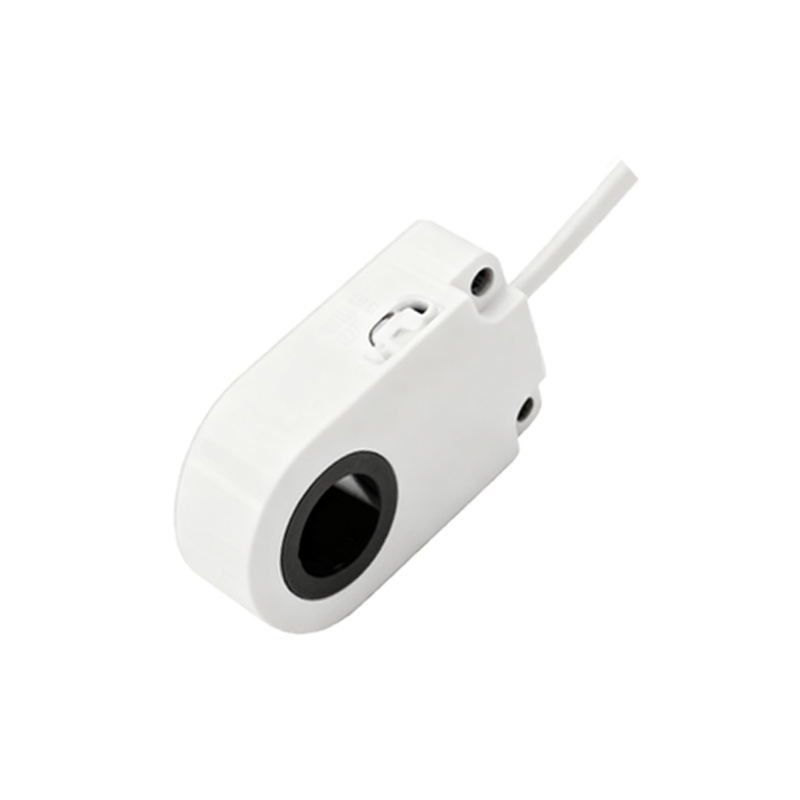
The "reaction" is therefore a rapid transition of the output voltage (for PNP: from 0V to V+; for NPN: from V+ to 0V) upon target detection.
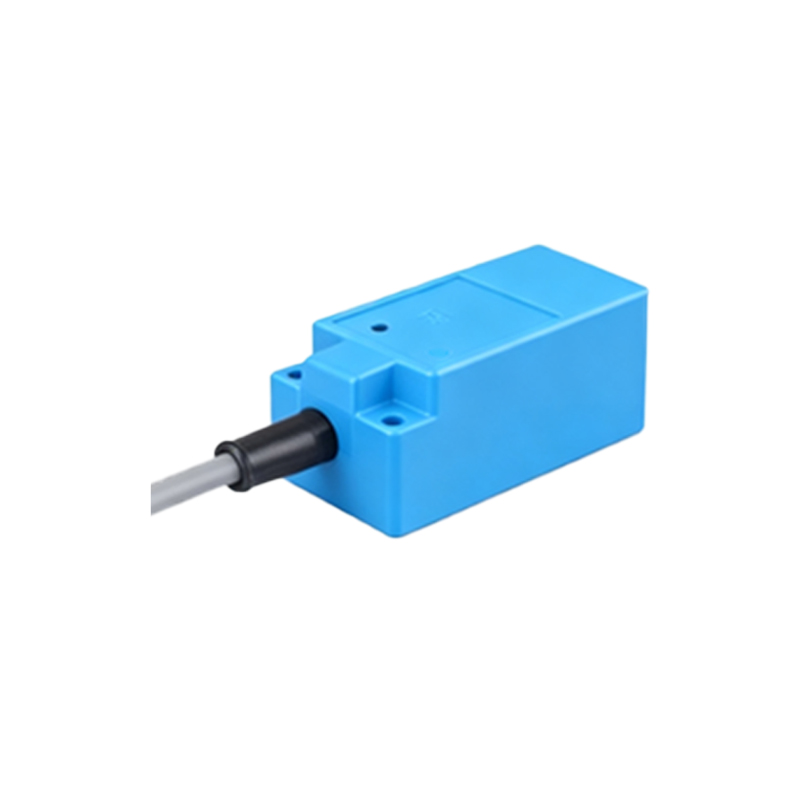
In contrast, Analog Output proximity sensors provide a continuous reaction. Their output signal (typically 0-10V DC or 4-20mA) varies proportionally with the distance between the sensor and the target. This reaction allows for precise measurement and control, such as monitoring the thickness of a material or the precise position of an actuator, rather than just simple presence detection.
Beyond the electrical output, the sensor's "reaction" is defined by its performance specifications. Hysteresis is a key characteristic. It is the difference between the operating point (where the sensor turns ON as the target approaches) and the release point (where it turns OFF as the target moves away). This built-in differential prevents rapid, chattering on/off reactions if the target were to hover precisely at the sensing boundary due to vibration or minor fluctuations.
Another critical aspect is the response time or switching frequency. This defines how quickly the sensor can react to a changing target presence. A high-speed sensor with a response time of 0.1 ms can reliably detect objects on a fast-moving production line, whereas a slower sensor might miss targets. This parameter dictates the maximum speed at which objects can pass by the sensor and still be detected reliably.
Furthermore, the physical nature of the target influences the sensor's reaction. An inductive sensor reacts specifically to ferrous and non-ferrous metals. A capacitive sensor reacts to nearly any material, including liquids and powders, by detecting changes in dielectric constant. A photoelectric sensor's reaction depends on the reflection or interruption of a light beam. Selecting the wrong technology for the target material will result in no reaction, a false reaction, or inconsistent performance.
In practical application, understanding this "reaction" is paramount for troubleshooting and design. For instance, if a machine fails to cycle, an engineer must determine if the issue is mechanical, or if a proximity sensor is failing to react. Using a multimeter to check for a voltage change at the sensor's output, or observing the status LED, verifies the sensor's primary reaction. Ensuring the correct voltage supply, proper wiring (PNP vs. NPN to the controller), and adequate sensing distance are all prerequisites for the expected reaction.
In summary, the "reaction" of a proximity sensor is not a single attribute but a combination of its designed electrical behavior (NO/NC, PNP/N