In the realm of computer peripherals, the debate between wired and wireless devices is perennial. However, for professionals in fields like competitive gaming, graphic design, and engineering, the wired mouse equipped with a laser sensor remains the undisputed champion for precision and reliability. This article delves into the technical intricacies of wired mouse laser sensor technology, exploring its advantages, operational principles, and why it continues to be the preferred choice in demanding environments.
At its core, a laser sensor is a type of optical sensor that uses laser diode illumination instead of an LED. The laser light, typically in the infrared spectrum, is projected onto the working surface. The sensor's CMOS (Complementary Metal-Oxide-Semiconductor) imaging array then captures microscopic details of the surface texture at an extremely high rate, often exceeding 10,000 frames per second (FPS). This data is processed by an integrated Digital Signal Processor (DSP) to calculate precise movement vectors—direction and distance—which are then transmitted to the computer via the wired connection.
The primary advantage of a laser sensor over its LED-based optical counterpart is its superior surface tracking capability. Laser light can penetrate and reflect off a wider variety of surfaces with greater consistency, including glossy, transparent, or uneven materials where standard optical mice often fail. This is quantified by a higher maximum tracking speed (measured in inches per second, or IPS) and a higher lift-off distance (LOD) control. Modern laser sensors can track movements exceeding 200 IPS with acceleration over 40 G, ensuring that even the swiftest, most abrupt motions are captured without cursor jitter or loss of tracking—a critical factor in first-person shooter games or high-speed CAD work.
The wired connection is the unsung hero in this partnership. It provides a direct, unbroken data pipeline from the mouse to the computer's USB port. This eliminates the latency, packet loss, and potential signal interference inherent in wireless protocols like Bluetooth or 2.4GHz RF, even with advanced technologies. For competitive gaming, where reaction times are measured in milliseconds, this consistent, real-time data transmission is non-negotiable. Furthermore, a wired connection requires no batteries, ensuring uninterrupted operation without the risk of power depletion during a critical task or tournament match. It also contributes to a lighter overall device weight by omitting the battery compartment.
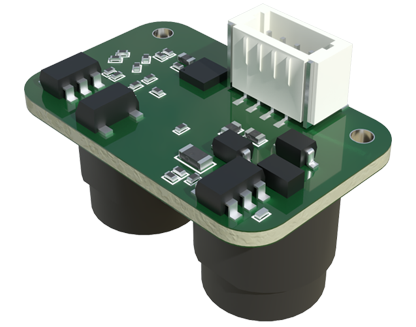
From an engineering perspective, the design of a high-performance wired laser mouse involves careful integration. The sensor's performance is defined by its resolution, measured in Dots Per Inch (DPI). Modern laser sensors offer adjustable DPI settings ranging from 100 to over 16,000, allowing users to fine-tune cursor sensitivity for specific applications—low DPI for pixel-perfect photo editing, high DPI for rapid screen traversal. The polling rate, or how often the mouse reports its position to the computer (typically 125Hz, 500Hz, or 1000Hz), is another critical specification. A 1000Hz polling rate, standard in gaming mice, translates to a report every 1ms, minimizing input lag. The wired architecture ensures this high polling rate is maintained consistently without the power-saving compromises of wireless devices.
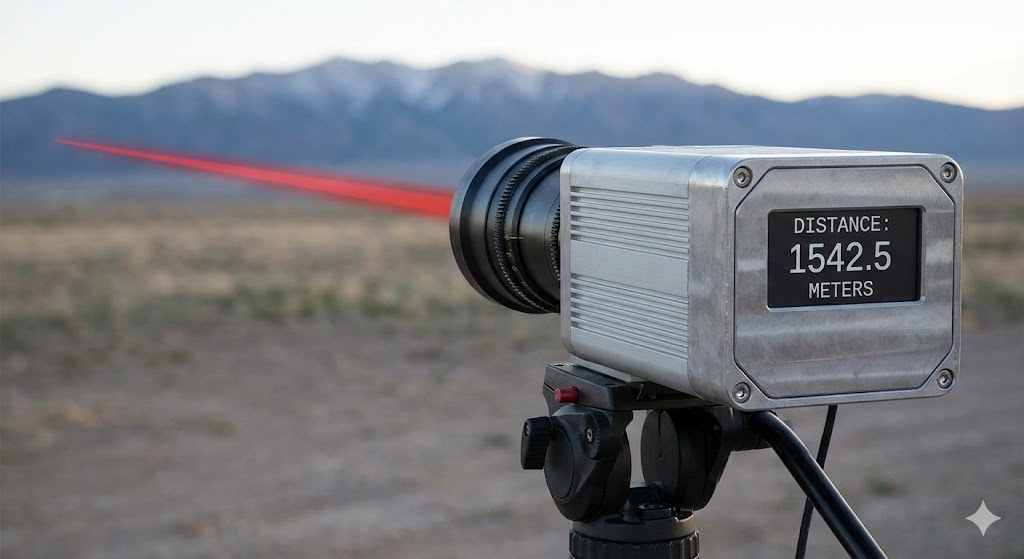
Durability and consistency are paramount. Professional-grade wired laser mice are built with high-quality components, from the laser sensor module itself to the robust braided cable designed to resist tangling and wear. The absence of a battery also eliminates concerns about battery degradation over time, contributing to a longer product lifecycle. For IT administrators and enterprise environments, the simplicity of a plug-and-play wired device, with no drivers or pairing required for basic functionality, translates to lower support overhead and guaranteed compatibility.
In conclusion, while wireless technology offers convenience for general use, the wired laser mouse represents the pinnacle of performance-oriented design. Its combination of a highly accurate laser sensor, capable of tracking on virtually any surface, with the zero-latency, always-on reliability of a physical cable, creates an instrument of unparalleled control. For esports athletes, digital artists, architects, and power users where every pixel and every millisecond counts, the wired laser mouse is not just a tool but an essential extension of their intent, delivering the precision and unwavering reliability demanded by their professions.