In the realm of industrial automation and machine control, the precise and reliable detection of object presence or position is paramount. Proximity switches, a fundamental category of non-contact sensors, excel in this role. Their ability to sense the position of a target without physical contact makes them indispensable in harsh, fast-paced, or precision-critical environments. Understanding how these sensors determine sensing position is crucial for optimal system design and performance.
At its core, a proximity switch operates by generating an electromagnetic field or a beam of light. When a target object enters this field, it causes a detectable change—such as a change in oscillation amplitude, capacitance, or light reflection—which the sensor's internal circuitry converts into a clean electrical switching signal. The key parameter defining its operational capability is the 'sensing position' or the effective switching point. This is not a single, fixed point in space but rather a zone defined by the rated sensing distance (Sn). The nominal sensing distance, as specified by manufacturers, is determined under standardized conditions: a defined target material (typically mild steel for inductive types), size, and ambient temperature. It is critical to note that the actual sensing position can vary due to several factors.
The primary influence on sensing position is the target material. Inductive proximity sensors, the most common type, detect ferrous metals (like iron and steel) most effectively. For a standard steel target, the sensor achieves its rated distance (Sn). However, for non-ferrous metals like aluminum, brass, or copper, the effective sensing distance is reduced, sometimes significantly. Stainless steel, depending on its grade, also typically reduces the sensing range. Capacitive sensors are less material-specific but are influenced by the target's dielectric constant. For photoelectric sensors, the color, reflectivity, and surface finish of the target directly affect the sensing range and position consistency.
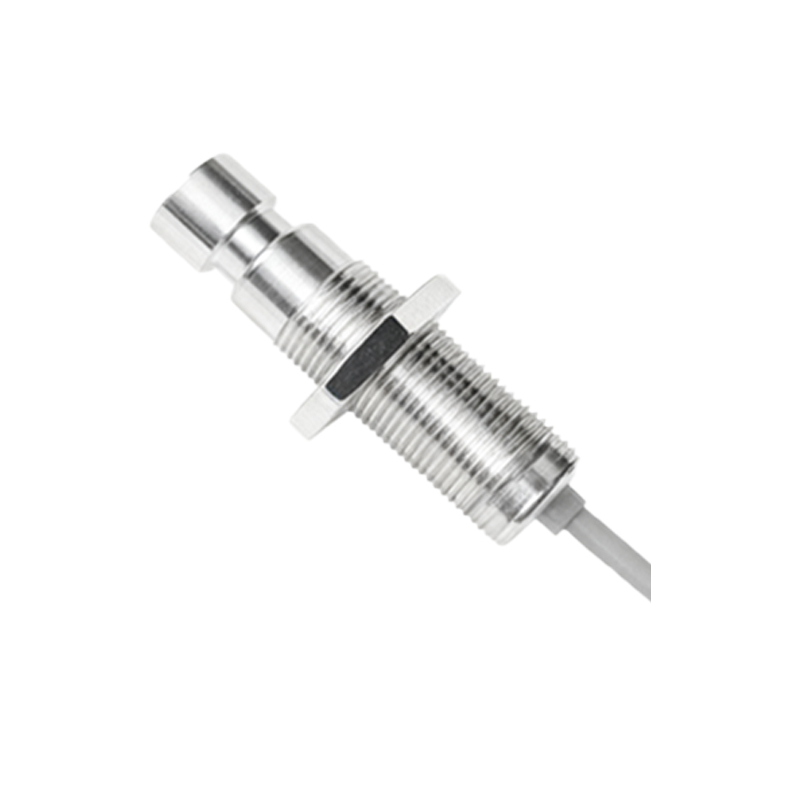
Target geometry and size are equally important. The target should ideally be larger than or equal to the sensor's active face diameter to ensure the full rated sensing distance is achieved. A smaller target will result in a decreased effective sensing position. For instance, a thin wire or a small screw may only be detected at a fraction of Sn. The approach direction also matters; the target should approach the sensor head axially for the most repeatable switching point. Lateral or skewed approaches can lead to inconsistent triggering.
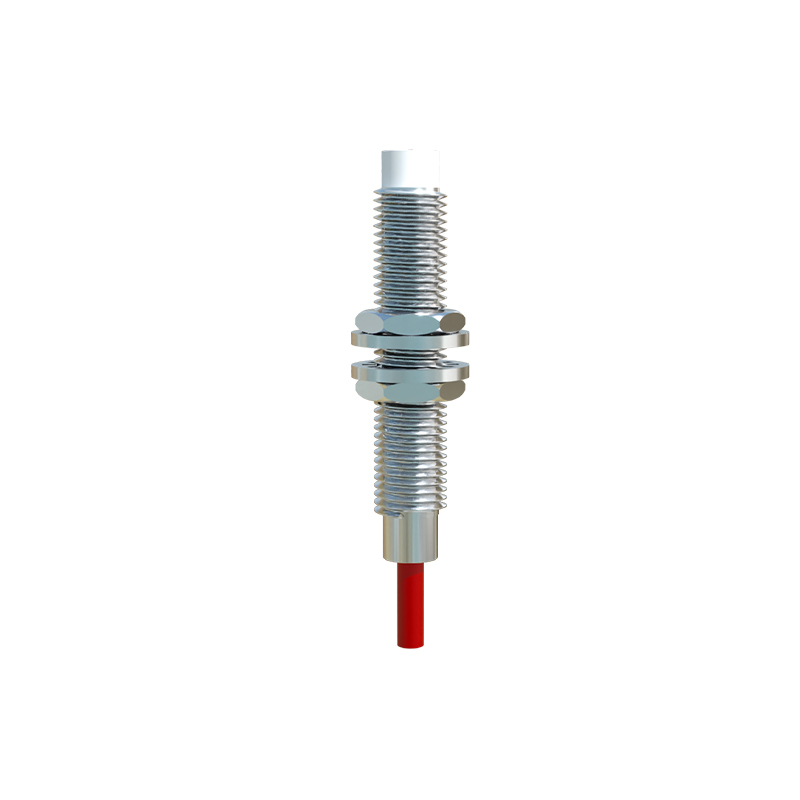
Environmental conditions pose another set of challenges. Temperature fluctuations can cause drift in the sensing position, as the characteristics of electronic components and oscillator circuits change. High ambient temperatures can reduce the sensing distance. The presence of strong external magnetic or electrical fields can interfere with inductive and capacitive sensors, potentially causing false triggering or shifted sensing points. For photoelectric sensors, ambient light (especially infrared) or airborne contaminants like dust, oil mist, or steam can attenuate or scatter the light beam, altering the effective sensing position.
To ensure consistent and accurate sensing position, engineers must consider application-specific optimization. First, select the correct sensor type: inductive for metals, capacitive for non-metals or level detection, and photoelectric for long-range or precise positioning. Second, always derate the nominal sensing distance. A common practice is to use 70-80% of Sn for reliable operation, accounting for supply voltage tolerances, temperature effects, and part-to-part variations. Third, pay meticulous attention to mounting. Flush-mountable sensors are designed to be installed in metal without affecting performance, while non-flush types offer longer ranges but require a clear surrounding area. Incorrect mounting can severely degrade performance.
Furthermore, the concept of 'repeat accuracy' is more critical than the absolute sensing distance for positioning tasks. This defines how consistently the sensor switches at the same point relative to the target on repeated cycles. High-quality sensors boast excellent repeatability, often within microns. For ultra-precise applications, such as in semiconductor manufacturing or precision assembly, specialized sensors with teach-in functions or analog output (providing a continuous distance signal, not just a switch) are employed to monitor position dynamically.
In conclusion, the sensing position of a proximity switch is a dynamic interface between the sensor's engineered capabilities and the real-world application's variables. It is not merely a specification on a datasheet but a performance characteristic that must be engineered into the system. By thoroughly understanding the principles of operation, the influencing factors—material, size, environment, and installation—and applying prudent design margins, engineers can leverage proximity switches to achieve robust, reliable, and precise position sensing that forms the backbone of modern automated systems. This knowledge transforms a simple component into a cornerstone of machine intelligence and control.