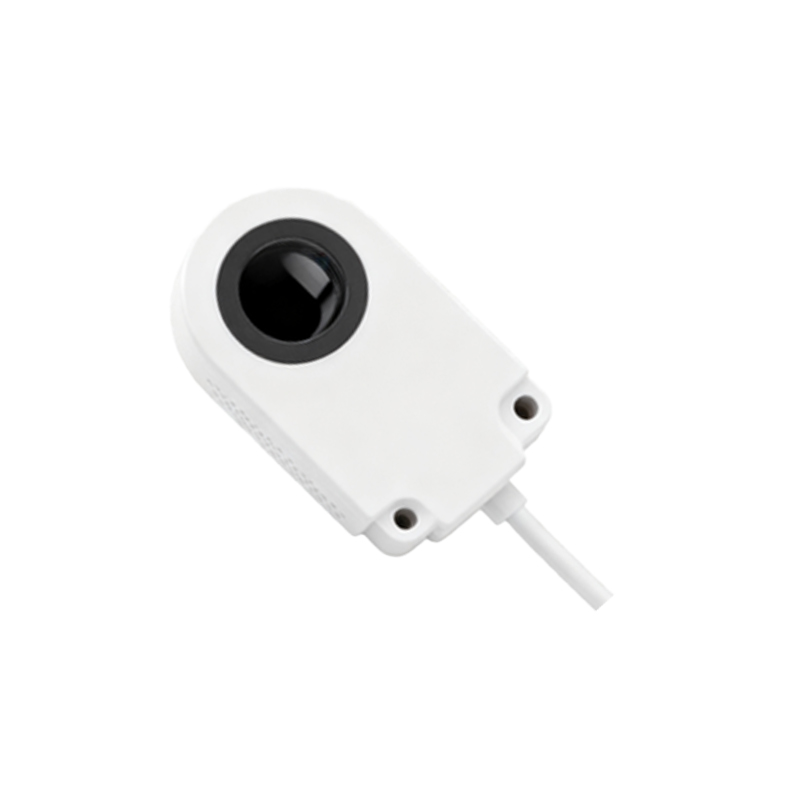
Magnetic proximity sensors are essential components in modern industrial automation, offering reliable non-contact detection of ferrous objects. The pricing of these sensors varies significantly based on multiple factors, including technology type, sensing range, housing material, and brand reputation. Understanding these variables helps engineers and procurement specialists make cost-effective decisions without compromising performance.
The most common types of magnetic proximity sensors include reed switches, Hall effect sensors, and magnetoresistive sensors. Reed switches are generally the most affordable, with prices ranging from $5 to $20 per unit, suitable for basic applications with low operational cycles. Hall effect sensors, known for their durability and higher switching frequencies, typically cost between $15 and $50, depending on output configuration (digital or analog) and protection ratings. Magnetoresistive sensors, offering superior precision and stability in harsh environments, command premium prices from $40 to $100 or more.
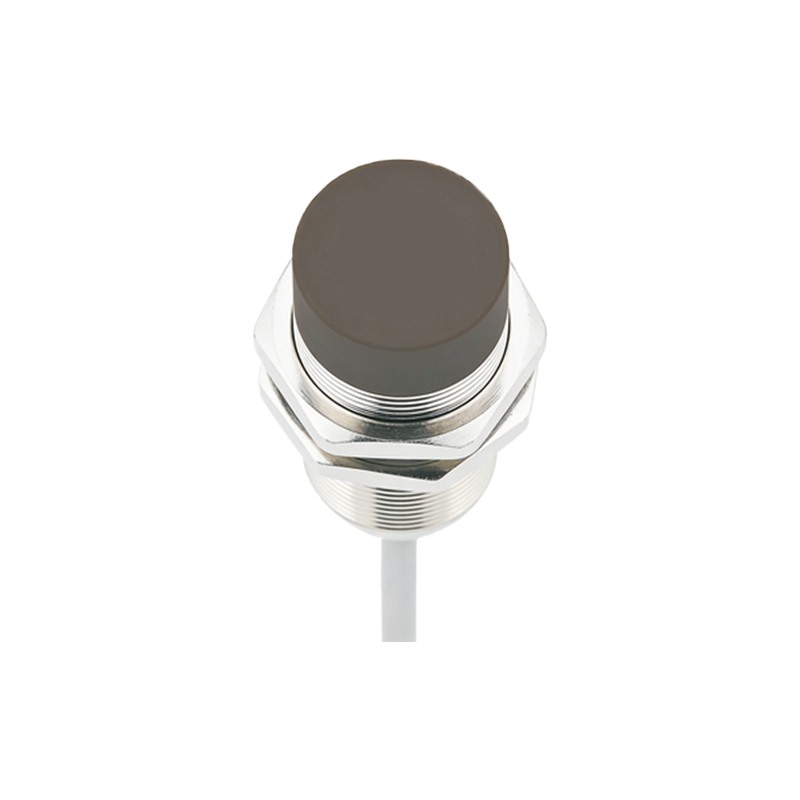
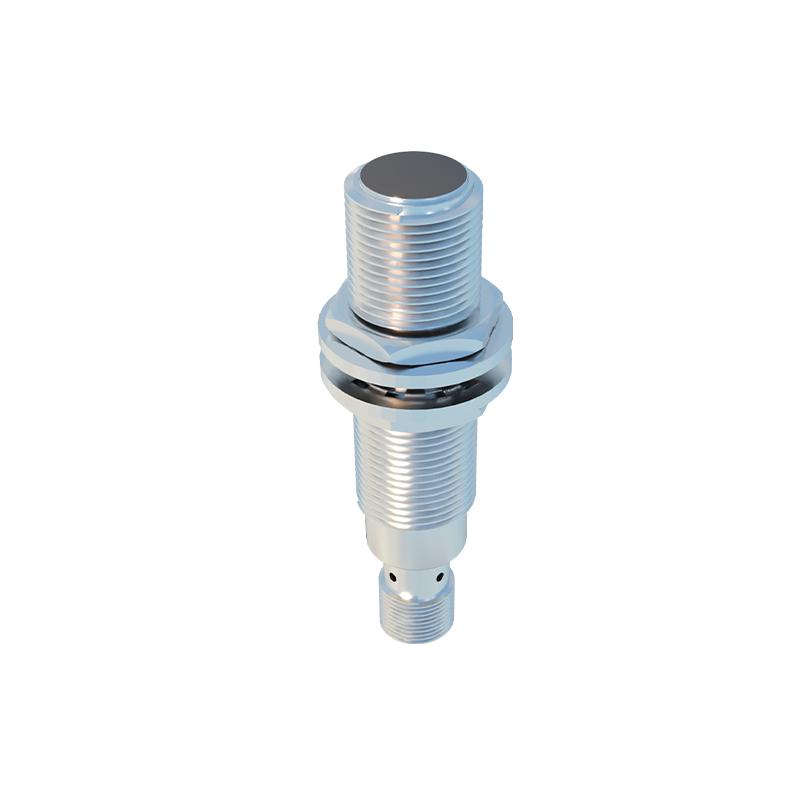
Sensing range directly impacts cost. Standard-range sensors (up to 10 mm) are widely available at competitive prices, while long-range variants (exceeding 30 mm) can be 30-50% more expensive due to specialized coil designs and signal processing circuits. Housing materials also contribute to price differentiation. Plastic or PVC housings are economical, whereas stainless steel or nickel-plated brass housings, necessary for corrosive or high-temperature environments, increase unit costs by 20-40%.
Brand influence cannot be overlooked. Established manufacturers like Siemens, Omron, and Pepperl+Fuchs often price their sensors 15-30% higher than generic brands, justified by rigorous testing, certifications (e.g., IP67, NEMA 4X), and extended warranties. However, emerging Asian brands offer comparable specifications at lower prices, challenging traditional market dynamics.
Market trends indicate a gradual price decline for standard magnetic sensors due to mass production and improved manufacturing techniques. Conversely, smart sensors with IO-Link connectivity or integrated diagnostics are seeing price premiums, reflecting added value in predictive maintenance and Industry 4.0 integration. Bulk purchasing (orders exceeding 100 units) typically attracts discounts of 10-25%, making it advantageous for large-scale deployments.
In summary, magnetic proximity sensor prices are shaped by technical specifications, environmental adaptability, and brand value. Engineers should balance initial costs against lifecycle reliability, especially in critical applications. As automation expands, competitive pricing and technological advancements will continue to evolve, offering more options across budget segments.