Underwater proximity switch sensors represent a critical component in modern marine, offshore, and subsea electrical systems. These specialized devices are engineered to detect the presence or absence of an object within a specified sensing range without any physical contact, operating reliably in challenging aquatic environments. For electrical engineers designing and maintaining these systems, a deep understanding of their principles, types, and application nuances is paramount.
The fundamental operating principle remains similar to their terrestrial counterparts, typically based on inductive, capacitive, or magnetic sensing technologies. However, the key differentiator lies in the robust encapsulation and material science employed. Inductive sensors, commonly used for detecting metallic targets, are housed in hermetically sealed casings made from materials like stainless steel (often grade 316L for superior corrosion resistance) or specialized plastics such as PEEK or PVDF. These materials must withstand constant hydrostatic pressure, resist biofouling, and prevent saltwater intrusion that could compromise internal electronics. The sensing face is usually a rugged, non-corrosive diaphragm.
Magnetic reed or Hall-effect-based proximity switches are frequently utilized for non-metallic detection or in scenarios requiring a hermetically sealed switching element. These are often paired with a separate, pressure-resistant actuator or float. Capacitive sensors, capable of detecting both metallic and non-metallic objects through changes in dielectric constant, are also deployed underwater, though their application requires careful calibration for the specific medium (freshwater vs. seawater).
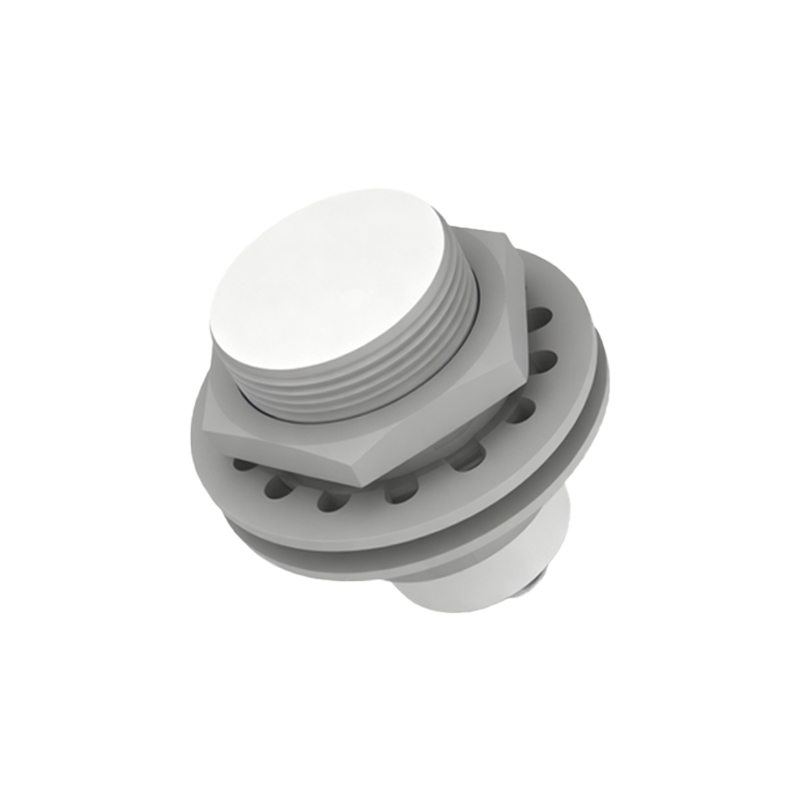
The selection criteria for an underwater proximity sensor extend far beyond simple sensing distance. Key electrical and environmental specifications demand careful consideration:
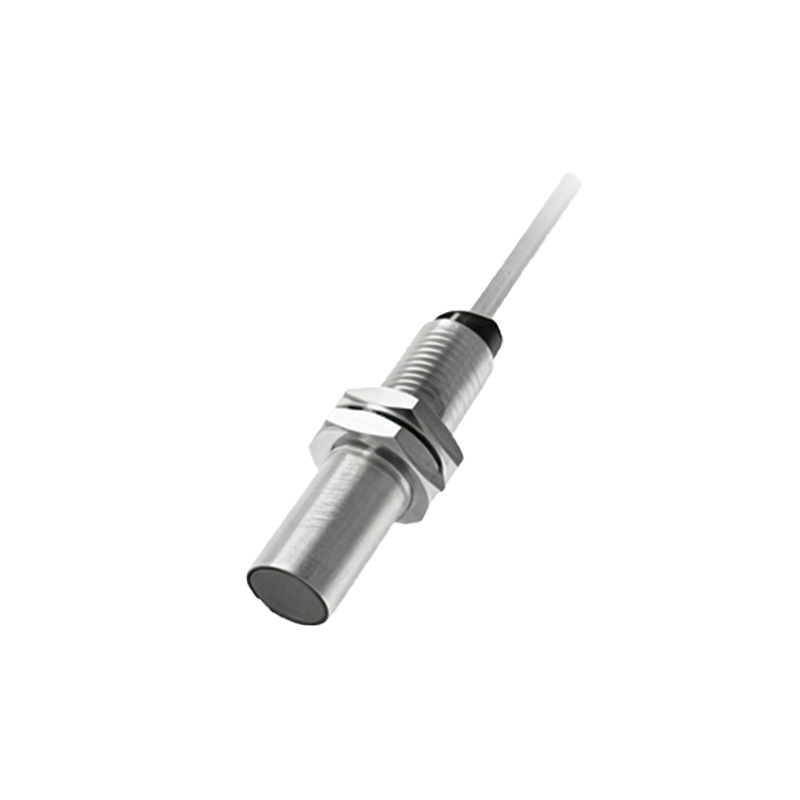
Ingress Protection (IP) Rating: A minimum of IP68 is standard, with IP69K indicating protection against high-pressure, high-temperature jet cleaning. For deep-sea applications, the pressure rating in bars or PSI is explicitly stated, often far exceeding the IP code's scope.
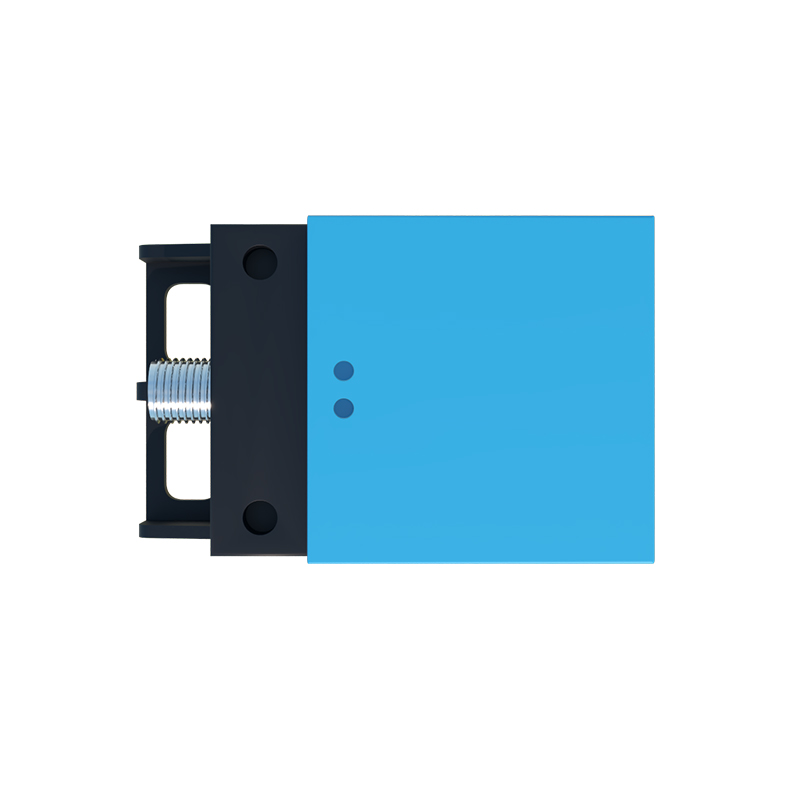
Output Type: Engineers choose between NPN/PNP transistor outputs, analog current/voltage outputs (4-20mA, 0-10V), or relay contacts. The choice impacts the interface with Programmable Logic Controllers (PLCs) or other control systems on the surface or subsea.
Supply Voltage: Compatibility with standard DC voltages (10-30V DC) or specific marine AC systems is essential.
Sensing Range: This is typically derated in liquid compared to air, and specifications must be consulted for the operational medium.
Construction and Connectorization: Integral cable or connector options (e.g., SubConn, SEACON) are critical. The electrical connection must be as robust as the sensor itself, often involving molded, oil-filled cables and pressure-balanced terminations.
Applications are diverse and demanding. In offshore oil and gas, these sensors monitor valve positions on Christmas trees, detect the position of Remotely Operated Vehicle (ROV) manipulator arms, and serve as limit switches on subsea production equipment. In marine automation, they control ballast tank levels, detect door and hatch positions, and monitor crane and winch movements. Oceanographic research employs them on sampling equipment and autonomous underwater vehicles (AUVs) for navigation and object avoidance.
Installation and maintenance present unique challenges. Proper mounting is crucial to avoid false triggers from surrounding metal structures or the hull itself (for inductive types). Cathodic protection systems used on ships and offshore structures can create stray currents that may interfere with sensor operation, necessitating careful grounding and shielding strategies. Regular inspection for physical damage, corrosion, and marine growth accumulation is part of a preventive maintenance routine. While the sensors are sealed, the cable glands and connectors are frequent failure points and require meticulous attention.
Future trends point towards increased integration and intelligence. The development of sensors with integrated IO-Link communication allows for detailed parameterization, remote diagnostics, and condition monitoring data transmission, enabling predictive maintenance strategies. There is also a push for sensors with broader operational temperature ranges and compatibility with newer, environmentally friendly hydraulic oils.
For the electrical engineer, specifying an underwater proximity switch is a systems-level decision. It requires balancing electrical requirements with harsh environmental realities. A thorough review of datasheets, understanding the full system context—including the control architecture and potential interference sources—and collaboration with mechanical and marine engineers are all essential steps. By selecting the correct sensor and implementing it with precision, engineers ensure the reliability, safety, and efficiency of complex underwater electrical systems, from the shallowest port to the deepest ocean trench.
SEO Keywords:underwater proximity sensor, subsea limit switch, marine electrical systems, inductive sensor IP68, underwater sensor installation
SEO Description:Explore the engineering principles, key selection criteria, and application challenges of underwater proximity switch sensors for marine and subsea systems. Learn about IP ratings, output types, and installation in harsh aquatic environments.