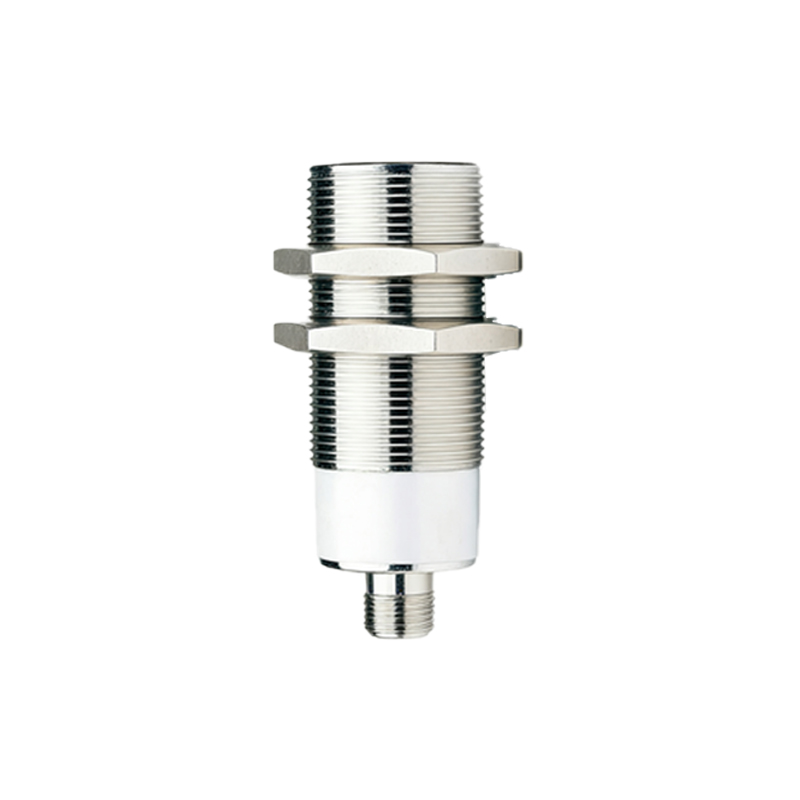
In the realm of industrial automation, the demand for compact, reliable, and high-performance sensing solutions is ever-growing. Short-body proximity sensors, a specialized subset of inductive and capacitive proximity switches, have emerged as a critical component in modern machinery design. Characterized by their significantly reduced housing length compared to standard models, these sensors offer unique advantages in space-constrained applications without compromising on core functionality. This article delves into the operational principles, key specifications, and pivotal roles these devices play across various industries.
At their core, short-body proximity sensors operate on the same fundamental principles as their standard counterparts. Inductive types generate an electromagnetic field and detect the presence of conductive metallic targets, while capacitive types can sense both metallic and non-metallic materials by measuring changes in capacitance. The defining innovation lies in the miniaturization of the oscillator coil, electronics, and housing. Advanced surface-mount technology (SMT) and optimized circuit design allow manufacturers to pack robust sensing capabilities into a housing that is often less than half the length of a standard sensor. This compact form factor is achieved while maintaining essential performance metrics such as sensing distance, switching frequency, and environmental resilience.
The technical specifications of short-body sensors warrant close attention. The rated operating distance, or sensing range, is typically slightly reduced due to the smaller coil size, but is precisely calibrated for high-precision applications. Common sensing distances range from 1 to 4 mm for inductive models. Despite their size, many models offer embedded protection against short-circuit, overload, and reverse polarity. Housing materials, usually stainless steel (e.g., V4A/AISI 316L) or nickel-plated brass, provide high resistance to mechanical stress, coolants, and cutting oils. A key feature is their ability to offer flush or non-flush mounting options, with flush-mountable models allowing installation in metallic surrounds without a reduction in sensing range—a critical factor in dense control panels and actuators.
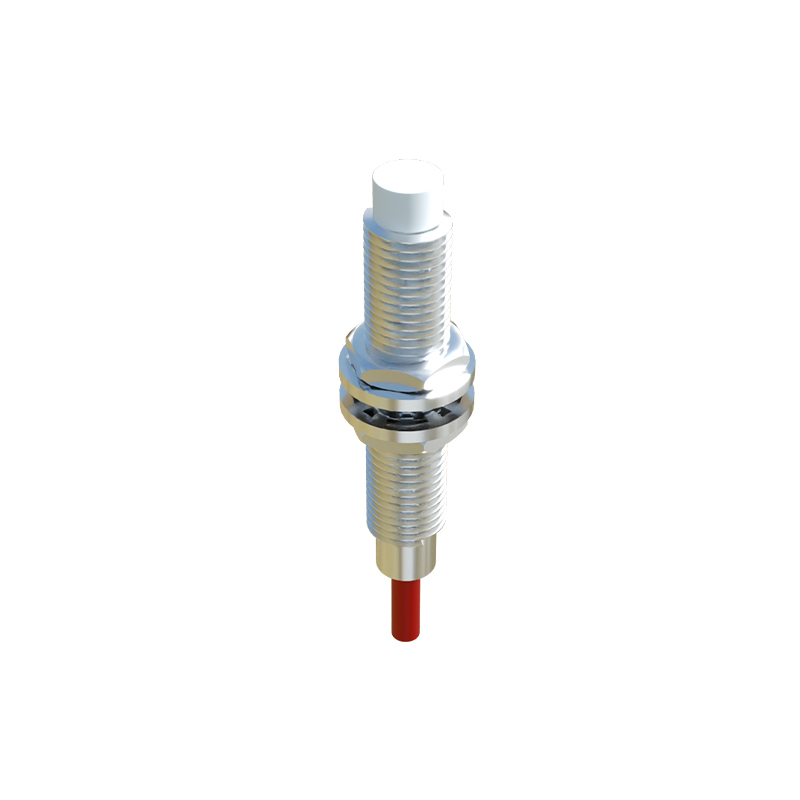
The application spectrum for these compact sensors is vast and impactful. In robotics and automated handling systems, they are indispensable for end-effector position feedback, gripper jaw detection, and monitoring of miniature pneumatic cylinders where every millimeter of space is valuable. The semiconductor and electronics manufacturing industry relies on them for precise wafer handling, PCB positioning, and component insertion machines. In packaging machinery, they verify the presence of small caps, labels, or products on high-speed conveyors. Furthermore, their integration into modular automation systems, like linear slides and compact valve manifolds, enables smarter, more densely packed control architectures. Their robustness also makes them suitable for harsh environments, including those with frequent washdowns in food and beverage processing, provided they carry appropriate IP ratings (e.g., IP67, IP69K).
Selecting the right short-body proximity sensor requires a careful analysis of the application parameters. Engineers must consider the target material, required sensing distance, electrical output type (e.g., PNP/NPN, NO/NC), supply voltage, and environmental conditions such as temperature extremes and potential chemical exposure. The mounting configuration and available space are, of course, primary drivers. It is also crucial to verify the sensor's performance in the presence of other metals (embedding characteristics) and its immunity to electromagnetic interference (EMI), which can be a challenge in tightly packed electrical cabinets.
In conclusion, short-body proximity sensors represent a perfect synergy of miniaturization and industrial durability. They solve a fundamental spatial challenge in machine design, enabling more elegant, efficient, and complex automated systems. As trends toward miniaturization and IIoT-enabled devices continue, the evolution of these sensors will likely focus on integrating advanced diagnostics, IO-Link communication for parameterization and data exchange, and even smaller form factors. For design engineers and maintenance professionals, understanding the capabilities and limitations of these powerful little devices is essential for optimizing machine performance, reliability, and footprint in today's competitive industrial landscape.