In the industrial automation and consumer electronics sectors, glass proximity sensors are critical components for non-contact detection. Their pricing is a key consideration for procurement specialists, design engineers, and project managers. This guide provides a detailed analysis of the factors influencing glass proximity sensor costs, current market trends, and a realistic price range breakdown.
The core price determinants stem from technical specifications and performance metrics. Sensing range is a primary factor; standard models with a range of 2-5mm are typically more economical, while long-range variants (10-20mm) or those requiring ultra-precise detection at sub-millimeter levels command a premium. The type of sensing technology—capacitive, inductive, or optical—also significantly impacts cost. Capacitive sensors, ideal for detecting non-metallic objects like liquids through glass, often have a higher price point due to complex circuitry for sensitivity adjustment. Inductive sensors, used for metallic targets behind glass, are generally mid-range. Optical sensors, especially laser-based types for high-accuracy applications, are at the top tier.
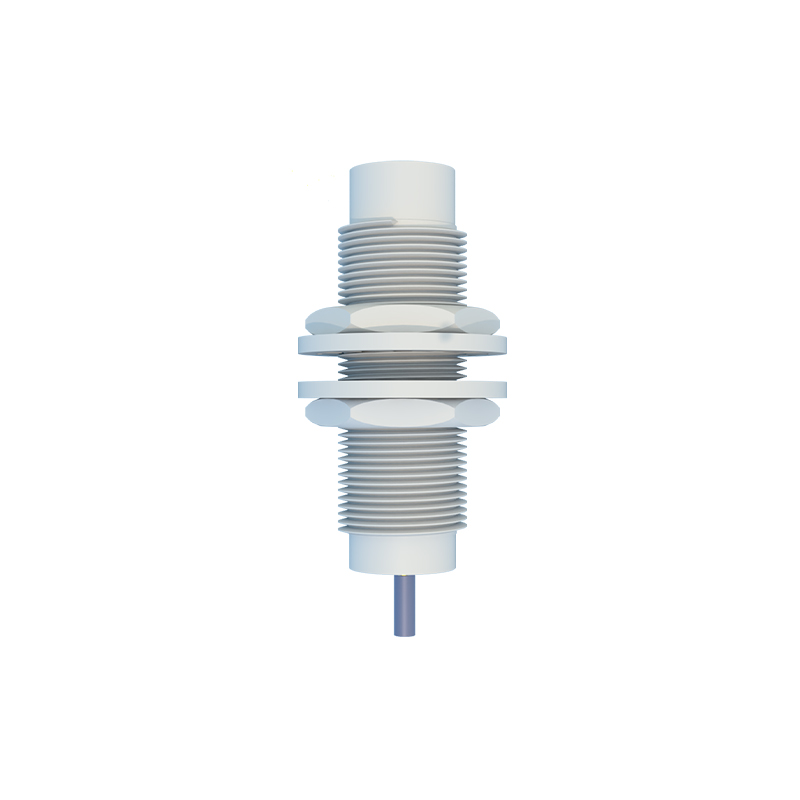
Environmental ratings are non-negotiable cost drivers. Sensors rated IP67 or higher for dust and water resistance, or those designed to withstand extreme temperatures, chemical exposure, or significant vibration, incorporate more robust housing materials (like stainless steel casings) and advanced sealing techniques. This directly increases manufacturing costs. Additionally, output configuration (PNP vs. NPN, analog vs. digital) and connection types (pre-wired cables vs. quick-disconnect plugs) add variability.
Brand reputation and supply chain logistics play substantial roles. Established manufacturers from Europe, North America, and Japan (e.g., Siemens, Omron, Pepperl+Fuchs) price their sensors higher, reflecting rigorous R&D, quality assurance, and comprehensive technical support. In contrast, competitive offerings from Asian manufacturers provide cost-effective alternatives, though with potential trade-offs in certification breadth or longevity guarantees. Lead times and order volume (unit price vs. bulk discount) are crucial commercial factors.
Current market trends show a push towards miniaturization and smart features. The integration of IO-Link communication for predictive maintenance and data exchange is becoming a standard upgrade, adding 15-30% to the base cost. Furthermore, global semiconductor shortages and fluctuating raw material costs for glass and electronic components have introduced price volatility and extended delivery schedules across the industry in recent years.
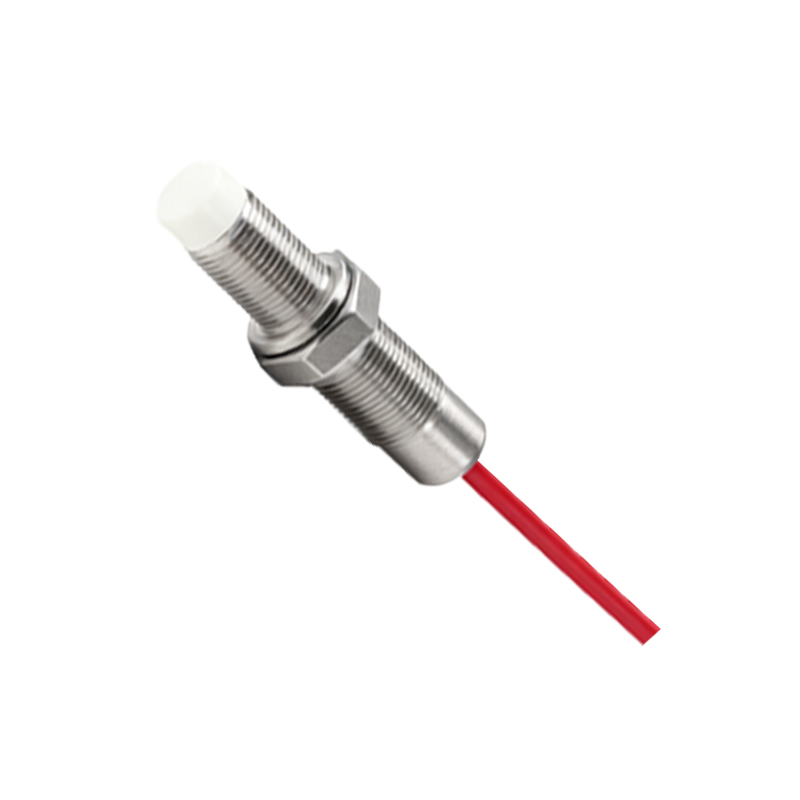
A practical price spectrum can be outlined as follows:
Economy Tier ($15 - $50 per unit): Standard sensing range, basic environmental protection (IP65), common output types, from value-oriented brands. Suitable for general-purpose applications.
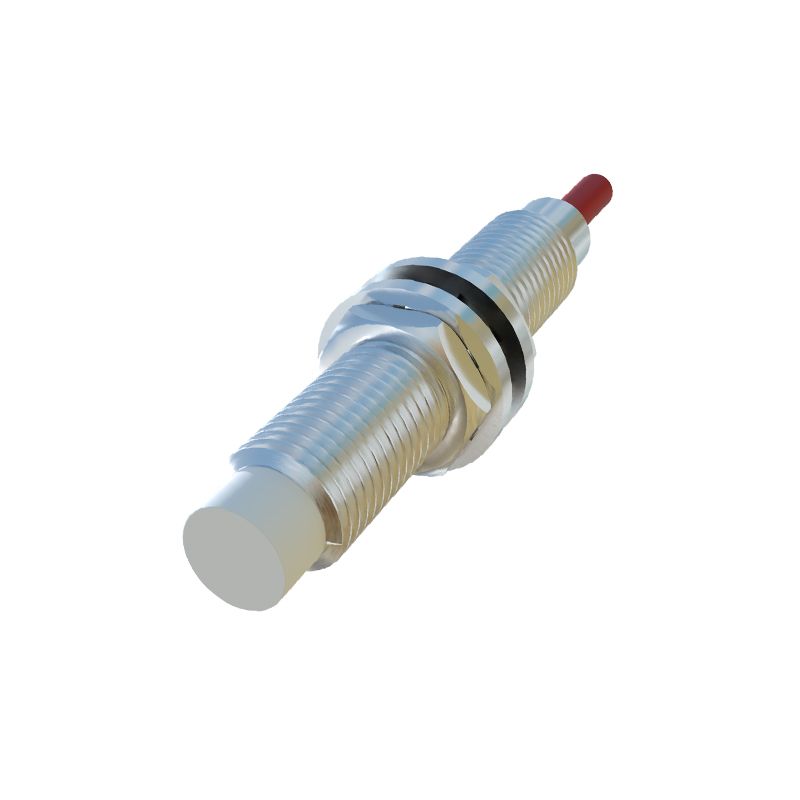
Mid-Range Tier ($50 - $150 per unit): Extended range or higher accuracy, robust housing (IP67/68), specialized outputs (analog, dual-output), from reputable industrial brands. Common for demanding factory automation.
High-Performance Tier ($150 - $500+ per unit): Specialized models for harsh conditions (extreme temperatures, washdown), high-precision optical/laser types, or units with advanced diagnostics and communication protocols (IO-Link, PROFINET).
When evaluating a quote, look beyond the unit price. Consider the total cost of ownership, which includes installation, calibration, maintenance downtime, and sensor lifespan. Request detailed datasheets, ensure the specifications match your application's dielectric or target material, and verify compliance with required industry standards (e.g., IEC, UL). A sensor that fails prematurely due to an unsuitable environment can cost far more than the initial price differential. Engaging with suppliers early in the design phase can also reveal opportunities for cost optimization without compromising critical performance.