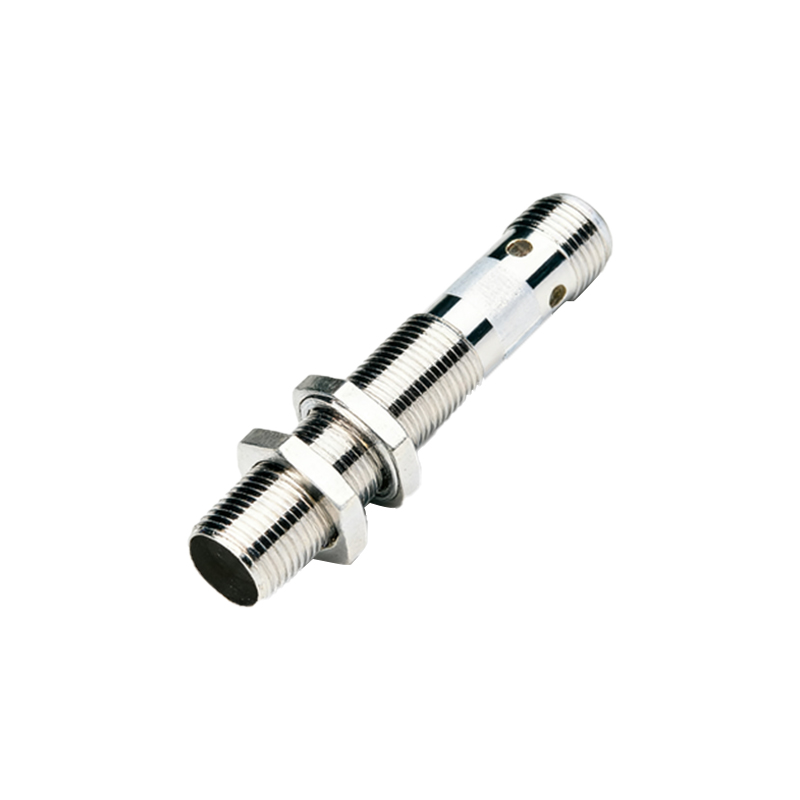
In the heart of industrial automation, proximity sensor manufacturing plants stand as hubs of precision engineering, where cutting-edge technology meets rigorous quality control to produce components vital for modern machinery. These facilities operate on principles of efficiency, accuracy, and innovation, transforming raw materials into reliable sensors that detect objects without physical contact. The process begins with design and prototyping, where engineers use CAD software to model sensors tailored for specific applications, such as inductive, capacitive, or ultrasonic types. Each design undergoes simulation testing to ensure optimal performance in harsh environments, from automotive assembly lines to food processing plants.
Once designs are finalized, production shifts to the cleanroom environment, where contamination control is paramount. The fabrication of sensor housings involves injection molding with durable plastics or metals, providing resistance to dust, moisture, and temperature extremes. Inside, core components like coils, oscillators, and integrated circuits are assembled using automated pick-and-place machines, which position micro-components with micron-level accuracy. Soldering and bonding processes follow, often employing reflow ovens to create secure electrical connections. Calibration is a critical phase, where each sensor is tested against standardized targets to verify detection ranges and response times, ensuring consistency across batches.
Quality assurance permeates every stage, with optical inspection systems scanning for defects and functional test rigs simulating real-world conditions. Data from these tests feed into statistical process control systems, enabling continuous improvement. The final assembly integrates sensors with connectors and cables, followed by labeling and packaging for global distribution. Beyond production, these plants invest in R&D to develop next-generation sensors with features like IoT connectivity and AI-driven diagnostics, pushing the boundaries of smart manufacturing. By adhering to ISO standards and lean manufacturing principles, proximity sensor factories not only meet industry demands but also drive advancements in safety and efficiency across sectors like robotics, aerospace, and consumer electronics.