In industrial automation and control systems, sensors play a critical role in detecting physical conditions and converting them into electrical signals. Among various sensor types, the NPN sensor is a fundamental component widely used for proximity sensing, object detection, and switching applications. This article delves into the meaning of NPN sensors, their operational principles, wiring configurations, and practical considerations for implementation.
The term "NPN" refers to the type of transistor used in the sensor's output stage. An NPN transistor is a bipolar junction transistor consisting of two n-type semiconductor materials sandwiching a p-type material. In the context of sensors, this configuration determines the switching behavior and electrical characteristics of the output signal. Essentially, an NPN sensor acts as a sinking device, meaning it connects the load to ground when activated. When the sensor detects a target, the NPN transistor switches on, allowing current to flow from the load through the sensor to the common ground (0V). This sinking action is a key distinction from PNP sensors, which source current to the load.
Understanding the wiring of NPN sensors is crucial for proper integration into control systems. Typically, an NPN sensor has three wires: brown for positive supply voltage (often +24V DC), blue for ground (0V), and black for the output signal. When the sensor is idle (no detection), the output transistor remains off, and the black wire is in a high-impedance state. Upon detecting an object, the transistor saturates, pulling the output voltage close to ground potential. This low signal (often referred to as "low-side switching") is then interpreted by a controller, such as a programmable logic controller (PLC) or relay, to trigger subsequent actions. It is important to note that NPN sensors require a common ground reference with the load and power supply to function correctly. Mismatched grounding can lead to erratic behavior or damage.
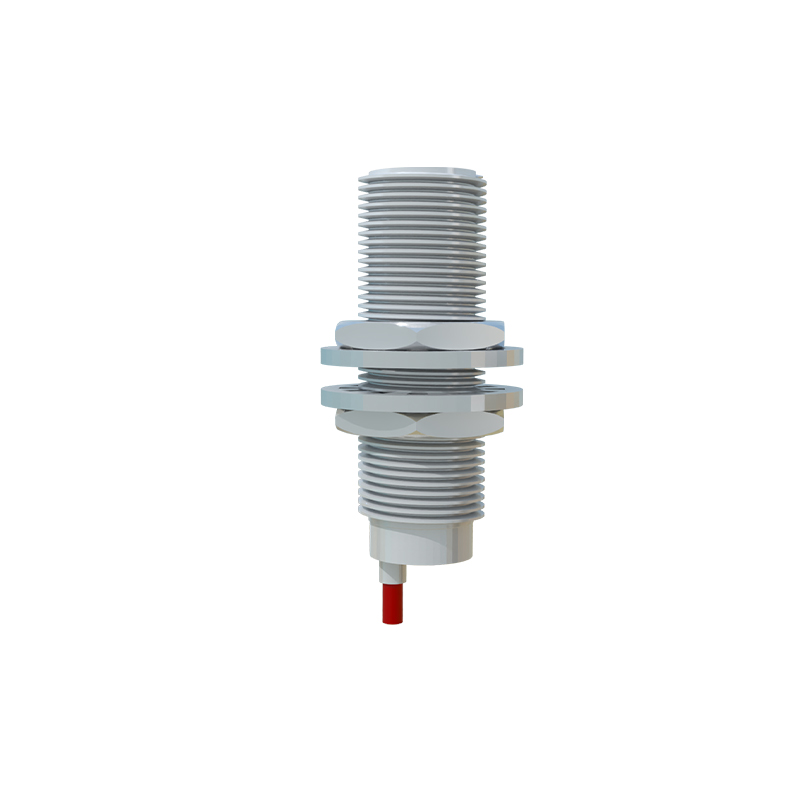
NPN sensors are commonly employed in applications where compatibility with certain PLC input modules is required. Many industrial controllers are designed to accept sinking (NPN) inputs, making these sensors a preferred choice in regions like Europe and Asia. They are used in diverse settings, including conveyor belt systems for detecting product presence, automated assembly lines for position verification, and safety circuits for monitoring machine guards. The robustness of NPN sensors allows them to operate in harsh environments with factors like dust, moisture, and temperature variations, provided they meet appropriate ingress protection (IP) ratings.
When selecting an NPN sensor, engineers must consider parameters such as sensing range, response time, output current capacity, and environmental durability. Additionally, electrical compatibility is paramount. Since NPN sensors sink current, the load (e.g., PLC input) must be connected between the positive supply and the sensor output. If wired incorrectly, the system may fail to detect signals or experience short circuits. It is also advisable to incorporate protective measures like flyback diodes for inductive loads to prevent voltage spikes from damaging the transistor.
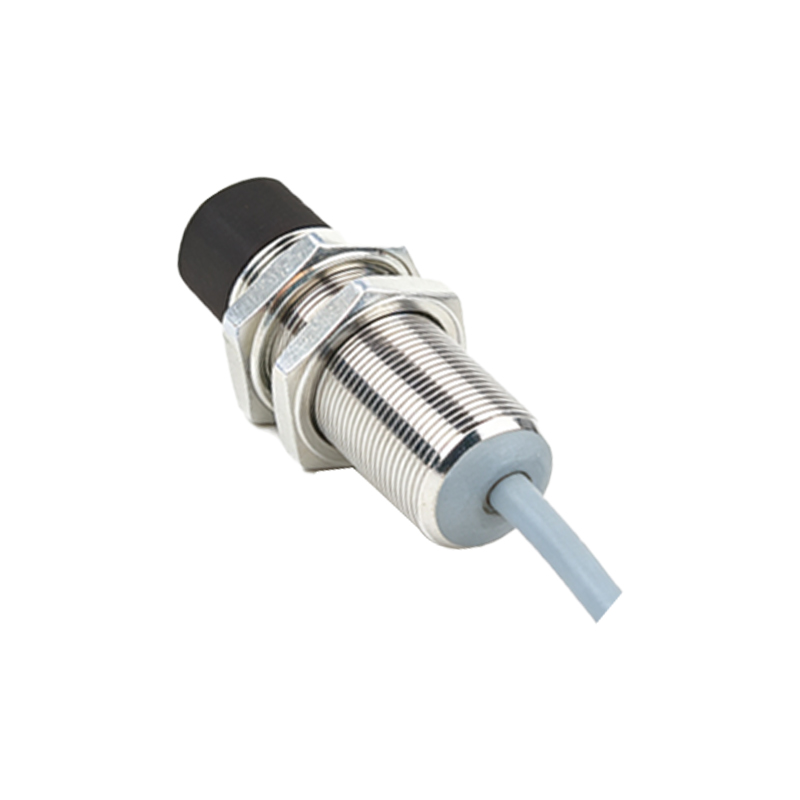
In comparison to PNP sensors, NPN variants offer advantages in scenarios where ground-referenced switching is safer or more efficient. However, the choice between NPN and PNP often depends on regional standards, existing infrastructure, and specific control logic requirements. Misunderstanding the difference can lead to installation errors, emphasizing the need for clear documentation and labeling.
Overall, grasping the meaning of NPN sensors extends beyond mere terminology—it involves recognizing their role as reliable, ground-switching devices that form the backbone of many automated processes. By adhering to proper wiring practices and understanding their operational limits, engineers can leverage NPN sensors to enhance system reliability and performance. As technology evolves, these sensors continue to integrate advanced features like IO-Link communication, enabling smarter and more flexible industrial networks.