In the intricate landscape of industrial automation and smart systems, miniature proximity sensors have emerged as pivotal components, driving efficiency, safety, and precision across diverse applications. These compact devices, often no larger than a coin, are designed to detect the presence or absence of objects without physical contact, leveraging technologies such as inductive, capacitive, ultrasonic, or photoelectric principles. Their small size belies their significant impact, enabling seamless integration into tight spaces where traditional sensors cannot operate.
The primary function of miniature proximity sensors is to provide non-contact detection, which minimizes wear and tear, reduces maintenance costs, and enhances operational longevity. In manufacturing lines, for instance, they are deployed to monitor product positioning, count items on conveyor belts, and ensure proper alignment of components in assembly processes. By detecting metallic or non-metallic objects with high accuracy, these sensors contribute to error reduction and quality control, thereby optimizing production throughput. In the automotive sector, they are integral to robotic arms used for welding and painting, where precise object detection is crucial for consistent results.
Beyond manufacturing, miniature proximity sensors play a vital role in safety systems. They are commonly used in machinery guarding to prevent accidents by halting equipment when a person or object enters a hazardous zone. This application is critical in compliance with international safety standards, such as ISO 13849, which mandate reliable safety components in industrial environments. Additionally, in consumer electronics, these sensors enable features like automatic screen dimming in smartphones when held close to the ear during calls, conserving battery life and improving user experience.
The advantages of miniature proximity sensors extend to their adaptability and durability. Many models are built to withstand harsh conditions, including extreme temperatures, moisture, and vibration, making them suitable for outdoor or heavy-duty applications. For example, in agricultural machinery, they assist in monitoring seed placement or detecting obstacles, while in medical devices, they ensure precise instrument positioning during surgeries. Their low power consumption further enhances their appeal in battery-operated systems, such as IoT devices and wireless sensor networks, where energy efficiency is paramount.
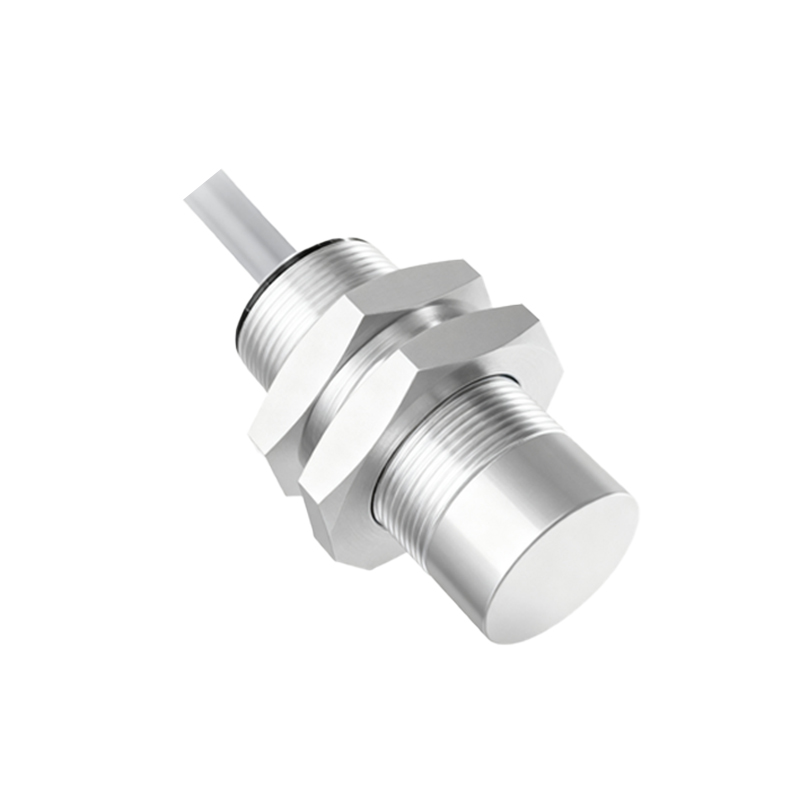
Technological advancements continue to refine the capabilities of miniature proximity sensors. Innovations in sensing ranges, response times, and connectivity options, such as IO-Link or Bluetooth integration, allow for real-time data transmission and remote monitoring. This facilitates predictive maintenance, where sensor data can alert operators to potential failures before they occur, minimizing downtime. Moreover, the trend toward miniaturization aligns with the growing demand for compact, high-performance solutions in industries like aerospace and robotics, where space and weight constraints are critical factors.
Despite their benefits, selecting the right miniature proximity sensor requires careful consideration of factors like sensing distance, material compatibility, and environmental conditions. Engineers must evaluate application-specific needs to ensure optimal performance. For instance, inductive sensors are ideal for detecting metals, while capacitive variants can sense liquids or plastics. Proper installation and calibration are also essential to avoid false triggers and ensure reliability.
In summary, miniature proximity sensors are indispensable tools in modern engineering, bridging the gap between automation and precision. Their ability to operate without contact, coupled with their compact design and robustness, makes them a cornerstone of industrial innovation. As industries evolve toward smarter, more connected systems, the role of these sensors is set to expand, driving further advancements in efficiency and safety across global sectors.