In the realm of industrial automation, ensuring the integrity and presence of fasteners, particularly screws, is paramount for product quality and operational safety. Among the myriad of sensing technologies available, ring proximity sensors have emerged as a highly effective solution for non-contact screw detection, offering unparalleled accuracy and reliability in high-speed production environments. This article delves into the principles, applications, and advantages of using ring proximity sensors for screw detection, providing insights for engineers and technicians in the electrical and automation sectors.
Ring proximity sensors, also known as annular or through-hole sensors, operate based on electromagnetic or inductive principles. These sensors feature a central aperture through which objects, such as screws, can pass. When a metallic screw enters the sensing zone, it disrupts the sensor's electromagnetic field, triggering a detection signal. This non-contact method eliminates mechanical wear and tear, ensuring long-term stability and reducing maintenance needs. The design of ring sensors allows for easy integration into assembly lines, where screws are conveyed via feeders or robotic arms, enabling real-time monitoring without impeding workflow.
One of the key benefits of ring proximity sensors in screw detection is their high precision. They can detect screws of various sizes and materials, including steel, brass, and aluminum, with minimal false positives. This capability is crucial in industries like automotive manufacturing, electronics assembly, and machinery production, where missing or improperly placed screws can lead to catastrophic failures. For instance, in automotive engine assembly, a ring sensor can verify the presence of critical bolts before sealing components, preventing costly recalls and enhancing safety standards. Additionally, these sensors are immune to environmental factors such as dust, oil, and vibrations, making them suitable for harsh industrial settings.
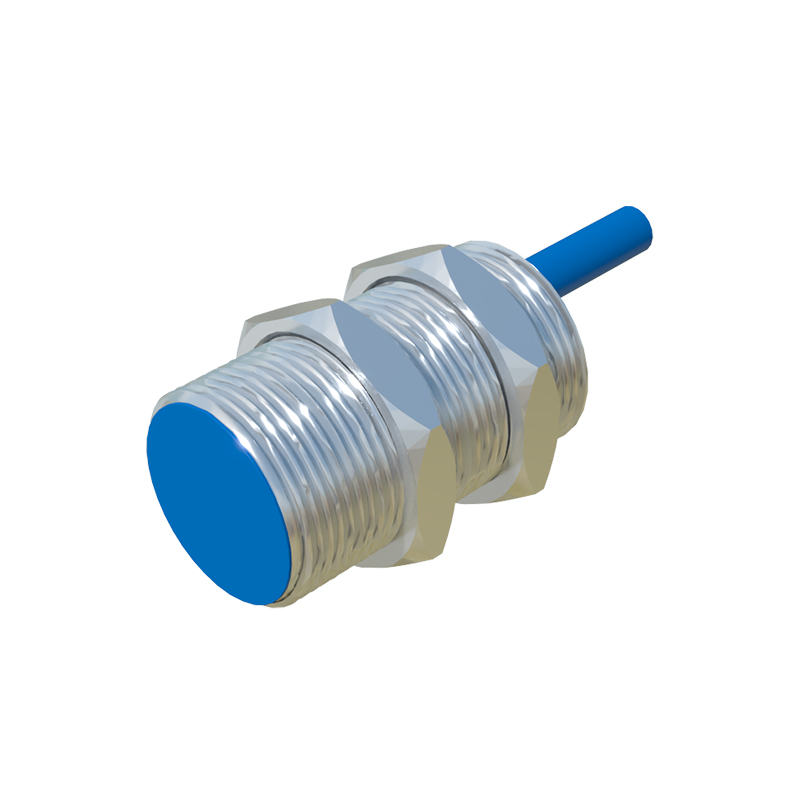
The implementation of ring proximity sensors involves careful consideration of factors like sensor size, sensing distance, and output configuration. Engineers must select sensors with apertures slightly larger than the screw diameter to ensure smooth passage while maintaining detection sensitivity. Advanced models offer adjustable sensitivity settings, allowing customization for different screw types and production speeds. Furthermore, integration with programmable logic controllers (PLCs) and industrial networks enables seamless data logging and process control, facilitating predictive maintenance and quality assurance.
In practice, a typical screw detection system using ring proximity sensors includes multiple sensors positioned along the conveyor line. As screws move through the apertures, the sensors generate digital signals that are processed by the control system. Any deviation, such as a missing screw, triggers an immediate alert or halts the production line, preventing defective products from advancing. This real-time feedback loop enhances overall efficiency and reduces waste, aligning with lean manufacturing principles. Case studies from leading manufacturers demonstrate significant improvements in defect rates and throughput after adopting ring-based detection systems.
Looking ahead, advancements in sensor technology, such as the integration of IoT capabilities and AI-driven analytics, are poised to further optimize screw detection processes. Smart ring sensors can provide diagnostic data on sensor health and environmental conditions, enabling proactive maintenance. Moreover, machine learning algorithms can analyze detection patterns to predict potential issues, such as screw jams or feeder malfunctions, before they escalate. These innovations underscore the evolving role of ring proximity sensors in driving automation toward greater intelligence and resilience.
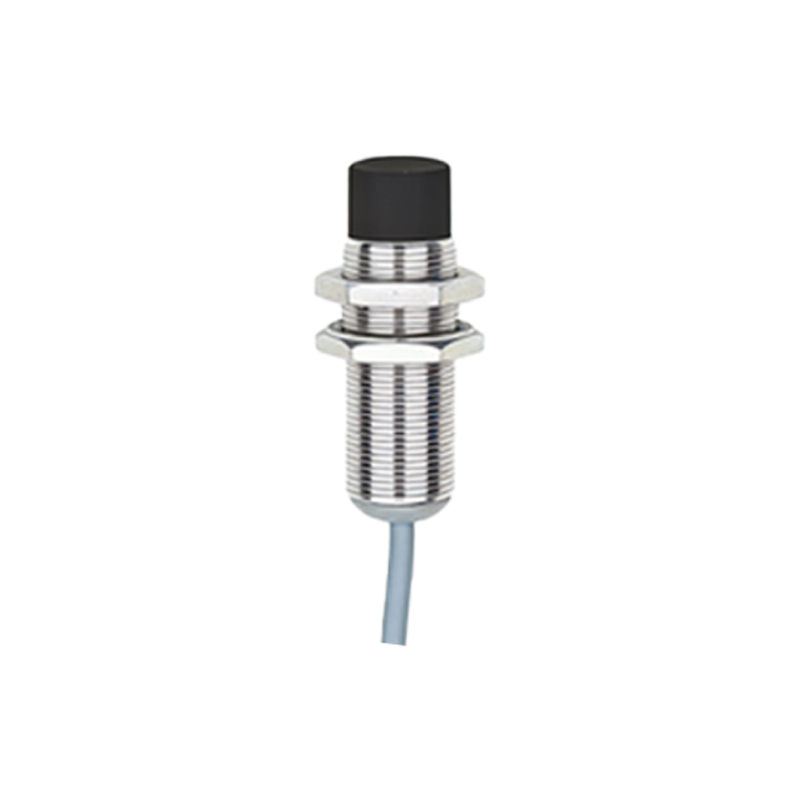
In conclusion, ring proximity sensors represent a critical tool for screw detection in modern industrial automation. Their non-contact operation, high precision, and durability make them indispensable for ensuring product quality and operational safety. By leveraging these sensors, engineers can build robust detection systems that enhance productivity and reduce costs, ultimately contributing to the advancement of smart manufacturing ecosystems. As industries continue to embrace automation, the adoption of ring proximity sensors will likely expand, solidifying their status as a cornerstone of precision engineering.