In the realm of industrial automation and precision engineering, the demand for accurate, reliable, and compact sensing solutions has never been greater. Among the various technologies available, millimeter-level proximity sensors have emerged as a critical component, enabling high-precision detection and control in a multitude of applications. These sensors, designed to detect objects at extremely close ranges—typically within a few millimeters—offer a unique set of characteristics that distinguish them from their standard counterparts. This article delves into the key features, operational principles, and advantages of millimeter-level proximity sensors, providing insights into why they are indispensable in modern industrial settings.
At their core, millimeter-level proximity sensors operate on principles such as inductive, capacitive, or magnetic sensing, tailored for ultra-short detection distances. Inductive sensors, for instance, are highly effective for detecting metallic objects. They generate an electromagnetic field and sense changes caused by the presence of a metal target within a very narrow range, often as little as 1 to 5 millimeters. This precision is achieved through optimized coil designs and advanced electronic circuitry that can discern minute variations in the field. Capacitive sensors, on the other hand, can detect both metallic and non-metallic materials by measuring changes in capacitance. They are particularly useful in applications involving liquids, plastics, or other dielectric materials, offering detection distances in the millimeter range with high sensitivity. Magnetic sensors utilize Hall effect or magnetoresistive elements to detect magnetic fields, making them ideal for sensing permanent magnets or ferrous materials at close proximity.
One of the most notable characteristics of millimeter-level proximity sensors is their exceptional accuracy and repeatability. In industries such as semiconductor manufacturing, automotive assembly, or robotics, where tolerances are tight and margins for error are minimal, these sensors provide consistent performance. They can detect the precise position of components, verify part presence, or monitor alignment with deviations often measured in micrometers. This level of accuracy is crucial for ensuring product quality, reducing waste, and enhancing overall process efficiency. For example, in a robotic pick-and-place system, a millimeter-level sensor can confirm that a tiny electronic component is correctly positioned before placement, preventing defects and downtime.
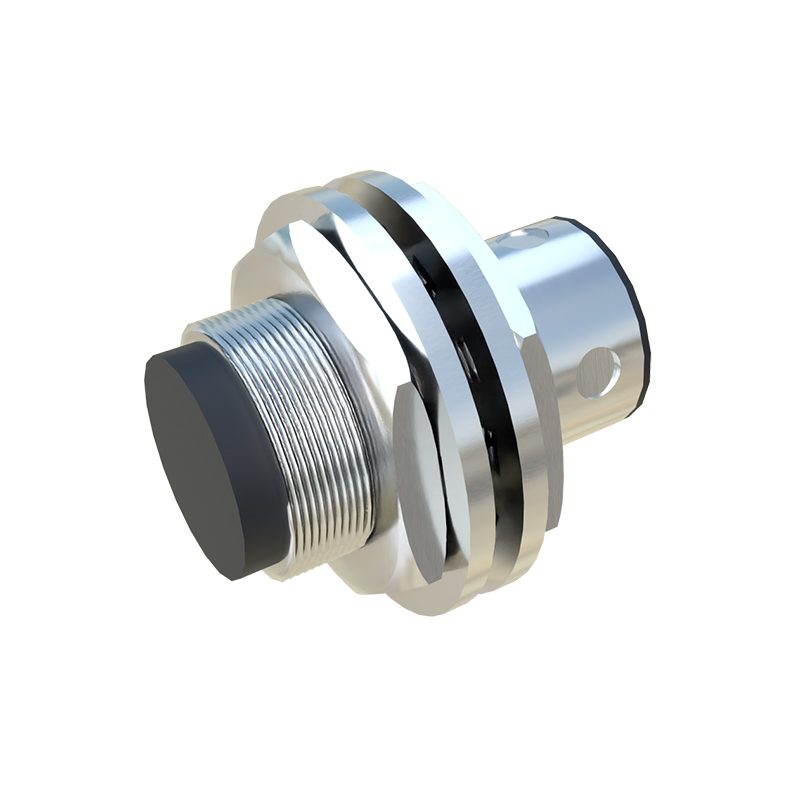
Another key feature is their compact size and robust design. Despite their high precision, these sensors are often engineered to be remarkably small, allowing for installation in space-constrained environments. Many models are housed in rugged, sealed enclosures that protect against dust, moisture, oil, and mechanical shocks, complying with industry standards like IP67 or IP69K. This durability ensures reliable operation in harsh conditions, from factory floors with heavy machinery to outdoor applications exposed to weather elements. The compact form factor also facilitates integration into complex machinery without interfering with other components, making them versatile for custom solutions.
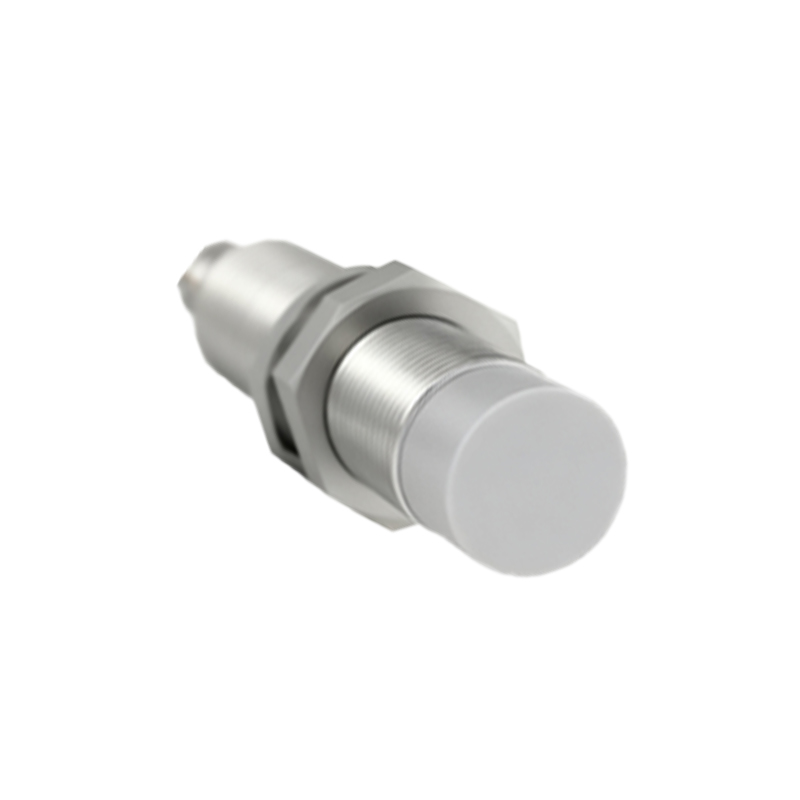
Millimeter-level proximity sensors are also characterized by their fast response times and high switching frequencies. They can detect objects and trigger outputs within microseconds, enabling real-time control in high-speed automation processes. This rapid response is essential in applications such as conveyor belt sorting, packaging lines, or CNC machining, where delays can lead to production bottlenecks or errors. Additionally, many of these sensors offer adjustable sensing distances or teach-in capabilities, allowing users to fine-tune the detection range to suit specific needs. This flexibility enhances their adaptability across different tasks, from detecting thin foils to monitoring valve positions.
Energy efficiency and low power consumption are further advantages, especially in battery-operated or portable devices. Modern millimeter-level sensors often incorporate energy-saving technologies, such as pulsed operation or low-power ICs, without compromising performance. This makes them suitable for use in mobile robotics, IoT devices, or wireless sensor networks, where power management is critical. Moreover, they typically produce minimal electromagnetic interference (EMI), reducing the risk of disrupting nearby electronic equipment—a vital consideration in sensitive environments like medical device manufacturing or laboratory settings.
In terms of connectivity and output options, these sensors support various interfaces, including analog outputs (e.g., 4-20 mA, 0-10 V), digital signals (e.g., PNP, NPN), or bus systems (e.g., IO-Link, PROFINET). This allows seamless integration with PLCs, controllers, and industrial networks, enabling data exchange for predictive maintenance or process optimization. Some advanced models even feature diagnostic functions, such as condition monitoring or fault indication, which help preempt failures and reduce maintenance costs.
Despite their benefits, selecting the right millimeter-level proximity sensor requires careful consideration of factors like target material, environmental conditions, and required detection range. For instance, inductive sensors may not be suitable for non-metallic objects, while capacitive sensors can be affected by humidity or temperature fluctuations. Therefore, engineers must evaluate application specifics to choose the optimal sensor type.
In conclusion, millimeter-level proximity sensors represent a pinnacle of precision sensing technology, offering accuracy, durability, speed, and versatility that are essential for today's industrial challenges. From enhancing automation in manufacturing to enabling innovations in