In the realm of industrial automation, the synergy between proximity sensors and rotary discs is pivotal for achieving precise motion control, position detection, and speed monitoring. Proximity sensors, known for their non-contact operation, detect the presence or absence of metallic or non-metallic objects without physical interaction. When paired with rotary discs—circular plates featuring strategically placed notches, teeth, or holes—these sensors form a robust system essential for applications ranging from conveyor belt tracking to robotic arm positioning.
The integration begins with selecting the appropriate sensor type, typically inductive or capacitive, based on the disc material. Inductive sensors are ideal for ferrous metals, while capacitive variants handle non-metallic materials like plastics or composites. The rotary disc, often crafted from stainless steel or aluminum, is designed with patterns that interact with the sensor’s electromagnetic field. As the disc rotates, the sensor detects changes in the pattern, generating electrical signals that correspond to angular displacement or rotational speed. This data is relayed to a programmable logic controller (PLC) for real-time processing, enabling automated adjustments in machinery operations.
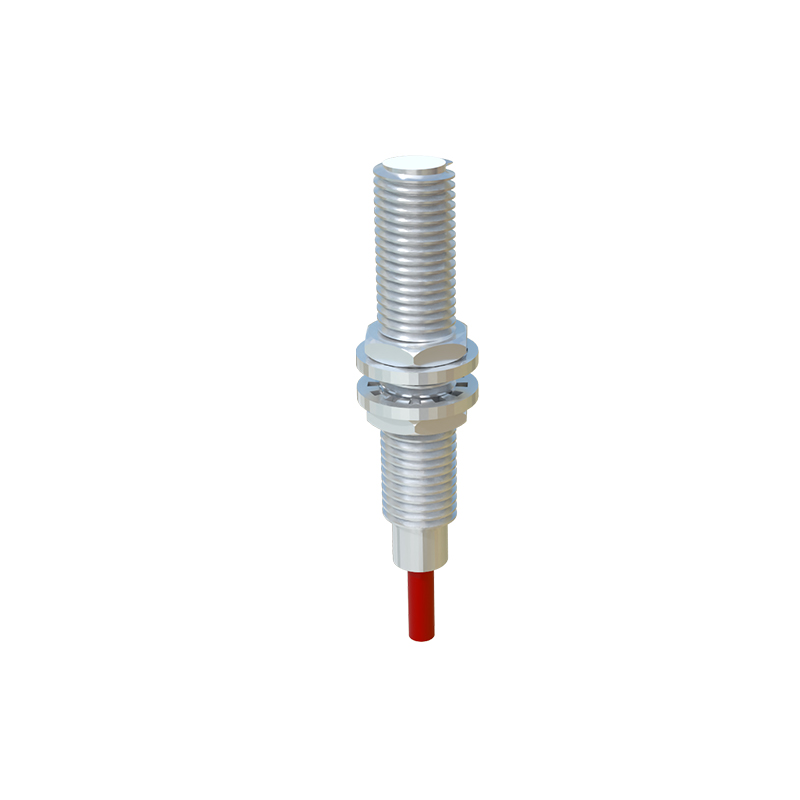
Key considerations in this setup include mounting alignment, gap distance, and environmental factors. Misalignment can lead to false readings or sensor failure, so precise installation is crucial. The gap between the sensor and disc must adhere to manufacturer specifications—usually within 1 to 5 millimeters—to ensure reliable detection. In harsh environments with dust, moisture, or temperature extremes, sensors with IP67 or higher ratings are recommended to prevent performance degradation. Additionally, disc patterns must be optimized for resolution; finer patterns allow higher accuracy but may require sensors with enhanced sensitivity.
Applications abound across industries. In packaging lines, proximity sensors and discs monitor fill levels by counting rotations of dispensing mechanisms. Automotive assembly lines use them for synchronizing robotic welders, while CNC machines rely on these systems for spindle speed control. The benefits are manifold: reduced mechanical wear due to non-contact operation, minimal maintenance needs, and improved safety by eliminating physical switches. However, challenges such as electromagnetic interference (EMI) from nearby motors or signal drift over time must be mitigated through shielding and regular calibration.
Future trends point toward smart sensor integration with IoT platforms, where data from discs and sensors is analyzed for predictive maintenance. Advances in materials science may also yield lighter, more durable discs with embedded RFID tags for enhanced tracking. For engineers, mastering this integration is not just about hardware—it involves understanding signal processing, software interfaces, and industry standards like IEC 60947-5-2. By leveraging proximity sensors and rotary discs effectively, industries can boost efficiency, accuracy, and reliability in automated processes, paving the way for smarter manufacturing ecosystems.