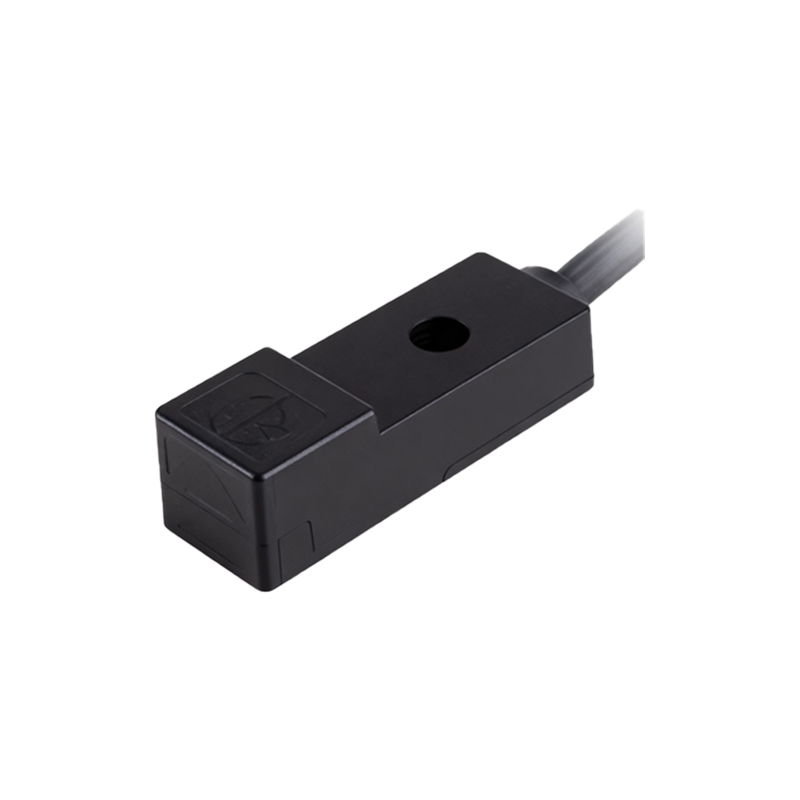
Proximity sensors are indispensable components in modern rail transit systems, playing a critical role in ensuring operational safety, efficiency, and reliability. These non-contact detection devices are engineered to identify the presence or absence of objects within a specified range without physical interaction. In the context of railways and metros, they are strategically deployed for various applications, from train detection and speed monitoring to door control and obstacle avoidance.
The operational principle of proximity sensors in rail systems typically relies on electromagnetic or inductive technologies. Inductive sensors, for instance, generate an oscillating electromagnetic field. When a metallic object, such as a train wheel or axle, enters this field, it induces eddy currents that alter the oscillation amplitude. This change is detected by the sensor, triggering an output signal. This mechanism allows for precise detection even in harsh environmental conditions—like extreme temperatures, moisture, dust, and vibration—common in rail operations.
One of the primary applications is in train detection and positioning along tracks. Sensors installed at intervals can monitor train movement, confirming the occupancy of track sections. This data is integral to signaling systems, such as Automatic Train Protection (ATP) and Communications-Based Train Control (CBTC), preventing collisions by maintaining safe distances between trains. Additionally, in automated metro systems, proximity sensors assist in precise platform stopping, ensuring alignment with platform screen doors for passenger safety.
Another vital use is in speed measurement. By detecting passing wheels or gear teeth, sensors calculate rotational speed, which is converted into train velocity. This information feeds into traction control systems, optimizing acceleration and braking for energy efficiency and ride comfort. Moreover, onboard sensors monitor critical components like bearing temperatures or brake disc conditions, enabling predictive maintenance and reducing downtime.
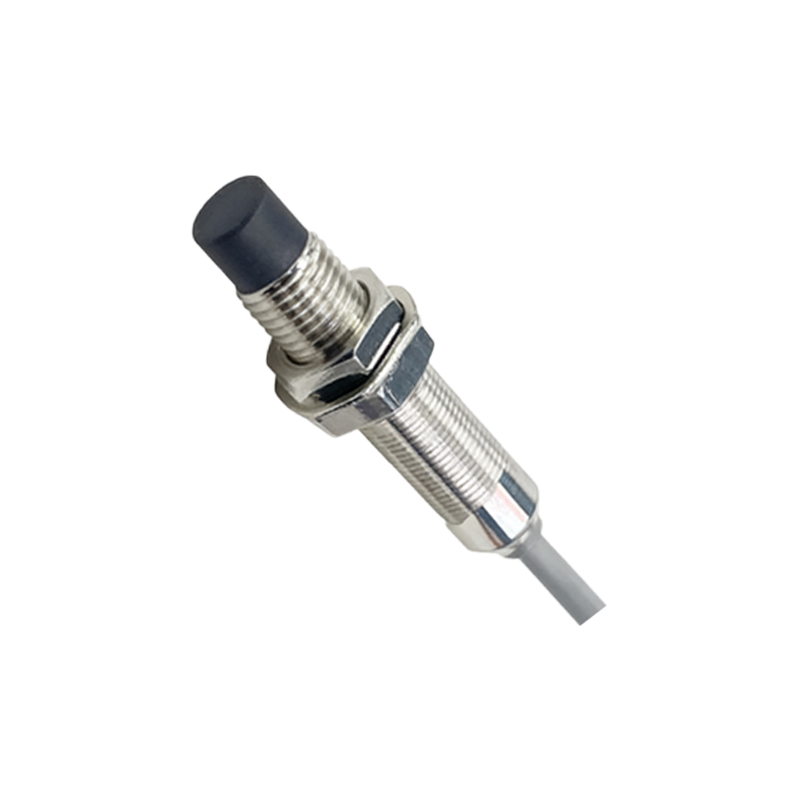
Door control mechanisms heavily depend on proximity sensors to prevent accidents. Sensors embedded in door edges detect obstructions, immediately halting closure and reopening if needed. Similarly, in maintenance depots, sensors ensure worker safety by detecting personnel near moving machinery or live rails.
The evolution of proximity sensing technology continues to advance rail transit. Modern sensors offer enhanced immunity to electromagnetic interference (EMI), longer operational lifespans, and digital outputs for seamless integration with IoT-based monitoring systems. For example, smart sensors can transmit real-time data to central control rooms, facilitating proactive fault detection and network optimization.
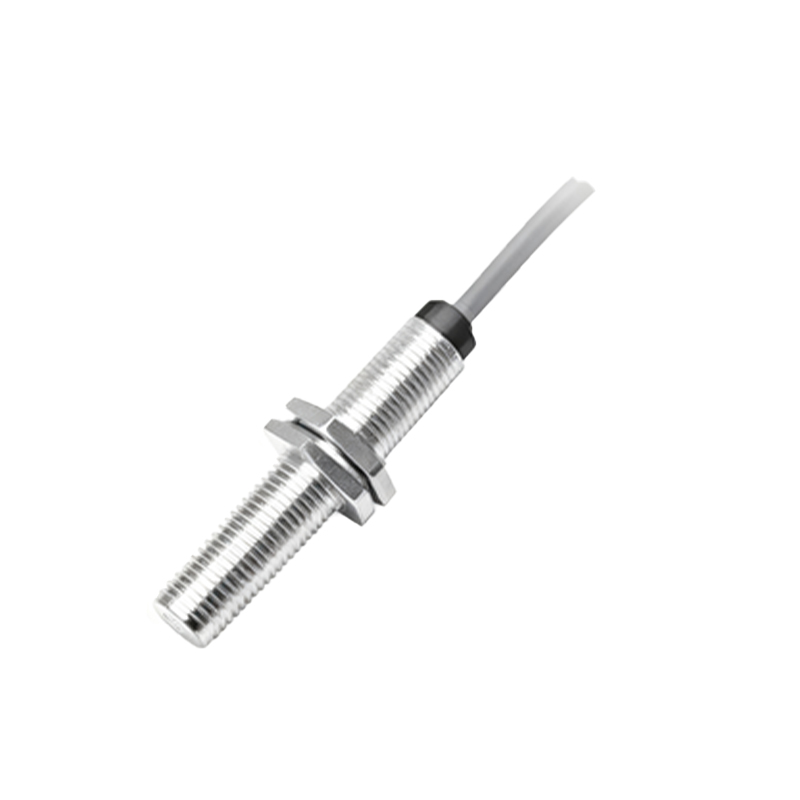
In summary, proximity sensors are foundational to the intelligence of rail transit infrastructures. Their ability to provide accurate, real-time feedback under demanding conditions makes them essential for safe, efficient, and sustainable railway operations. As urbanization drives demand for expanded and smarter transit networks, the role of these sensors will only grow, underpinning innovations in automation and safety protocols.