In the rapidly evolving landscape of industrial automation and consumer electronics, the demand for more intuitive, durable, and responsive human-machine interfaces (HMIs) has never been higher. Among the myriad of solutions, proximity light sensor keys have emerged as a pivotal technology, fundamentally transforming how users interact with devices. Unlike traditional mechanical switches or capacitive touch sensors, proximity light sensor keys operate on the principle of detecting changes in reflected light, typically using infrared (IR) LEDs and photodetectors. This mechanism allows for non-contact activation, where a finger or object merely needs to approach the sensor area without physical pressure, thereby eliminating wear and tear, enhancing longevity, and enabling sleek, seamless surface designs.
The core operational principle hinges on modulated light emission and reception. An IR LED emits a beam of light, which, in the absence of an object, is not reflected back to the photodetector. When an object enters the detection zone—usually within a range of a few millimeters to several centimeters—it reflects part of the light back. The photodetector captures this reflected signal, and subsequent signal processing circuitry, often involving amplifiers, filters, and microcontrollers, interprets the change as a trigger event. This process is highly immune to ambient light interference due to modulation techniques, ensuring reliable performance in diverse lighting conditions, from dark industrial settings to brightly lit outdoor environments.
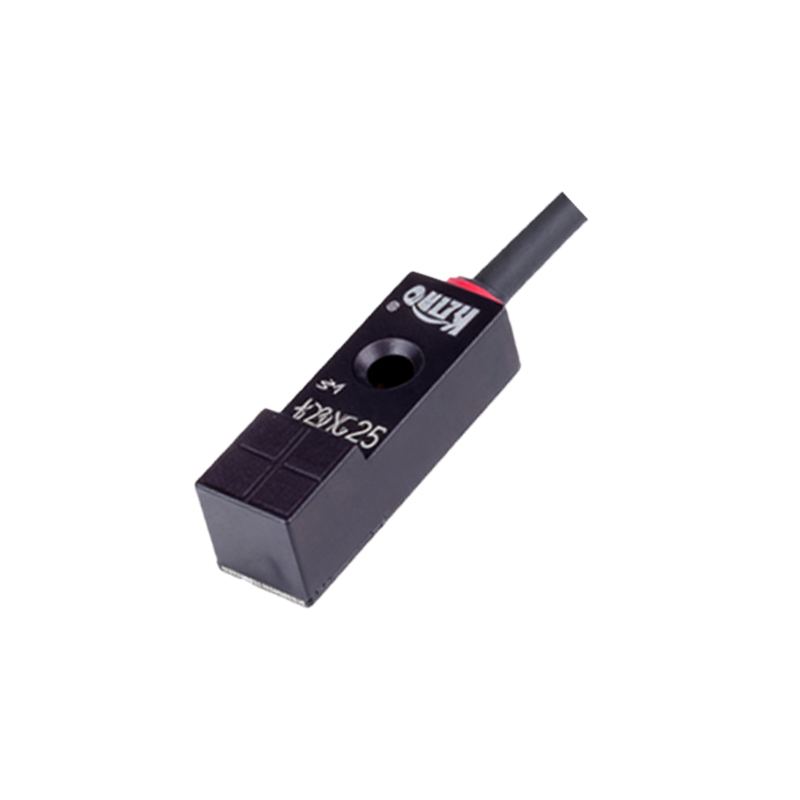
One of the standout advantages of proximity light sensor keys is their robustness. Mechanical keys are prone to failure from dust, moisture, and repeated physical stress, leading to maintenance issues and downtime in industrial applications. In contrast, sensor keys, with no moving parts, offer exceptional resistance to environmental contaminants. They can be fully sealed behind glass or plastic panels, achieving IP67 or higher ingress protection ratings, making them ideal for harsh environments such as manufacturing floors, medical equipment, and automotive dashboards. Moreover, the absence of physical gaps prevents the accumulation of dirt and liquids, simplifying cleaning and sterilization processes—a critical factor in healthcare and food processing industries.
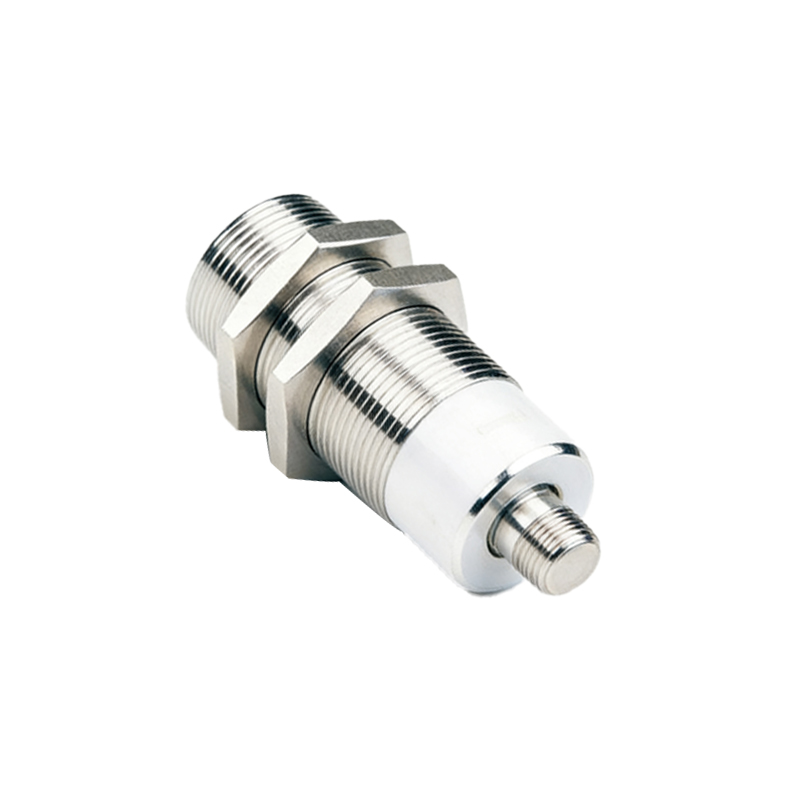
From a design perspective, proximity light sensor keys unlock new realms of aesthetic and functional flexibility. Designers are no longer constrained by the size, shape, or placement limitations of mechanical buttons. Sensors can be embedded beneath any non-metallic surface, enabling smooth, uninterrupted panels that are both visually appealing and easy to sanitize. This capability is extensively leveraged in modern household appliances, smart home controls, and public kiosks, where hygiene and minimalist design are paramount. Additionally, these sensors can be programmed for multi-functional gestures, such as swipes or holds, expanding interactive possibilities beyond simple on/off toggles.
Energy efficiency is another compelling benefit. Proximity light sensor keys typically consume minimal power, as the IR LED can be pulsed at low duty cycles, only activating fully when a potential trigger is detected. This feature is invaluable for battery-operated devices like remote controls, wearable technology, and portable instruments, significantly extending operational life. Advanced implementations even incorporate wake-on-proximity functions, where the sensor operates in an ultra-low-power sleep mode until an approach is sensed, then唤醒 the main system, thereby optimizing overall power management.
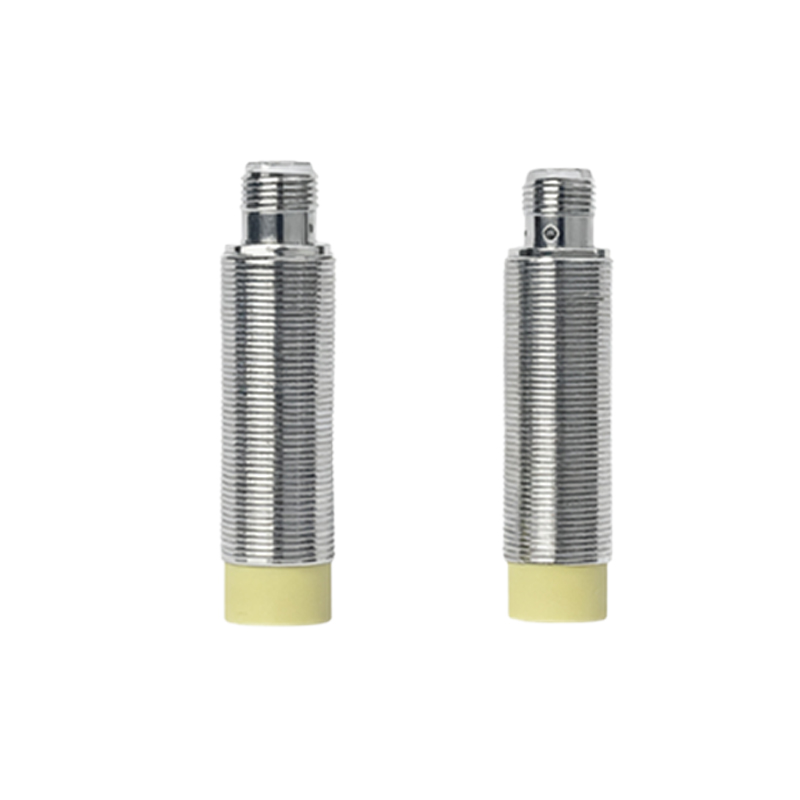
However, implementing proximity light sensor keys requires careful engineering consideration. Key design parameters include sensing range, response time, and immunity to false triggers. The sensing range must be calibrated precisely for the application; too short may frustrate users, while too long could cause accidental activations. Response time, critical in high-speed industrial controls, depends on the sensor's refresh rate and processing latency. Furthermore, designers must account for potential optical crosstalk in multi-key arrays and ensure proper housing design to mitigate internal reflections. Material selection for the overlay is also crucial—it must be transparent to the specific IR wavelength used while providing desired tactile or visual feedback, often through printed icons or backlighting.
In industrial automation, proximity light sensor keys are revolutionizing control panels for machinery, CNC systems, and robotic interfaces. Their reliability under vibration, temperature fluctuations, and exposure to coolants or oils makes them superior to traditional alternatives. In consumer electronics, they enhance user experience in smartphones, tablets, and gaming devices by enabling edge-to-edge displays and innovative gesture controls. The automotive sector integrates them for in-car infotainment and climate control systems, reducing driver distraction through haptic or auditory feedback without the need for visual confirmation.
Looking ahead, the integration of proximity light sensor keys with emerging technologies like artificial intelligence and the Internet of Things (IoT) promises even smarter interfaces. AI algorithms could interpret proximity patterns to predict user intent, enabling context-aware responses. IoT connectivity would allow remote diagnostics and customization of sensor parameters. As miniaturization advances, these sensors will become more cost-effective and ubiquitous, potentially replacing mechanical buttons across nearly all domains.
In conclusion, proximity light sensor keys represent a significant leap forward in HMI technology. By combining durability, design freedom, energy efficiency, and high performance, they