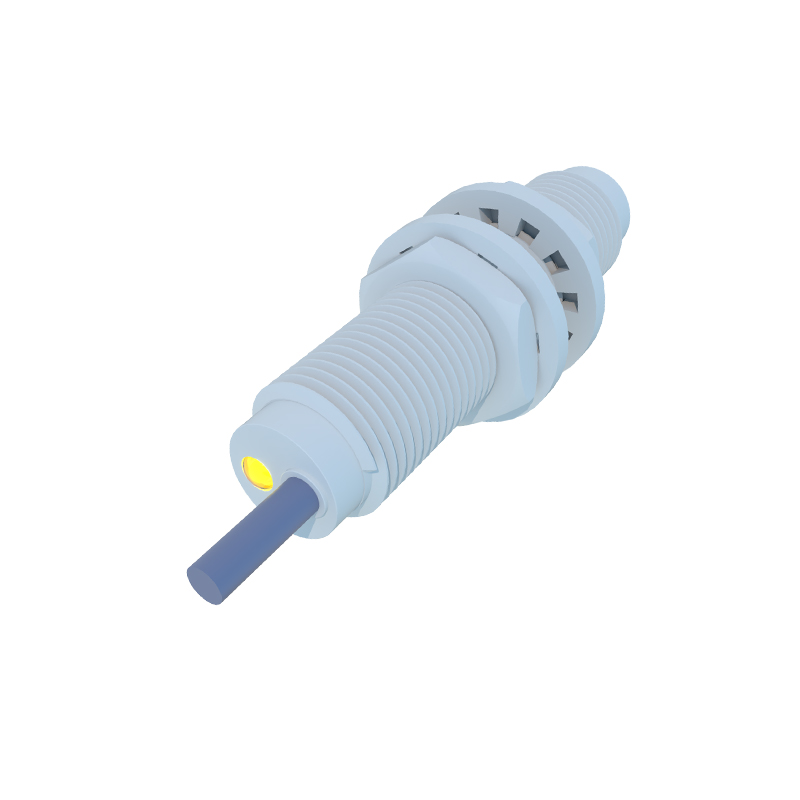
Proximity sensors are indispensable components in modern industrial automation, serving as the silent sentinels that detect the presence or absence of objects without physical contact. These industrial-grade sensors are engineered for reliability, durability, and precision in harsh environments where mechanical switches would fail. Operating on principles such as electromagnetic induction, capacitance, or magnetic fields, they provide critical input to control systems in manufacturing, packaging, material handling, and robotics.
The core technology behind inductive proximity sensors, the most common type for metal detection, involves an oscillator generating a high-frequency electromagnetic field from a coil at the sensor's face. When a metallic target enters this field, eddy currents are induced, causing a change in the oscillation amplitude. This change is detected by a threshold circuit, which triggers a solid-state output switch. This non-contact operation eliminates mechanical wear, enabling millions of reliable cycles. Key specifications include sensing distance, which is typically rated for a standard target (often mild steel) and can be influenced by the target's material, size, and shape. Factors like temperature range, housing material (e.g., nickel-plated brass or stainless steel), ingress protection (IP) rating (e.g., IP67 for dust and temporary immersion), and output type (PNP/NPN, NO/NC) are paramount for selection.
Capacitive proximity sensors function by detecting changes in capacitance, allowing them to sense both metallic and non-metallic materials like liquids, plastics, or wood. They generate an electrostatic field and react to the dielectric constant of the target. This makes them ideal for level detection in tanks or presence detection of packaging materials. Magnetic proximity sensors, or reed switches, are activated by a permanent magnet, offering simple, low-power solutions for position sensing in cylinders or safety door monitoring.
Industrial applications demand rigorous performance. In automotive assembly lines, inductive sensors precisely detect piston position or robot arm endpoints. In food and beverage, stainless steel capacitive sensors monitor liquid levels in sanitary processes. High-speed counting on conveyor belts relies on the fast response time of proximity sensors, often in the microsecond range. Their robustness against contaminants like oil, coolant, and vibration is critical. Advanced features include analog outputs for distance measurement, temperature compensation, and short-circuit protection.
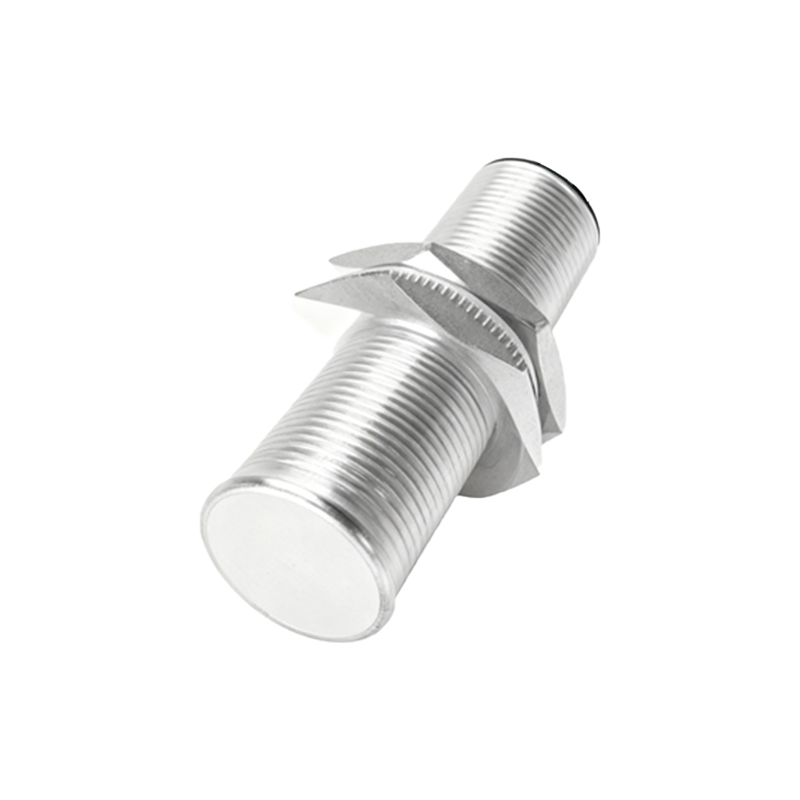
Installation and environmental considerations are crucial. Proper mounting, avoiding sensor-to-sensor interference (by maintaining spacing), and selecting the correct sensing distance to prevent false triggers from background metals are essential practices. Shielded (flush-mountable) sensors allow installation in metal without affecting range, while unshielded sensors offer longer ranges but require non-metallic surroundings. Regular maintenance involves checking for physical damage, buildup of debris, and verifying electrical connections.
The evolution of Industry 4.0 and IIoT has integrated smart proximity sensors with IO-Link communication, enabling parameter configuration, condition monitoring, and predictive maintenance data directly to controllers. This digital transformation enhances system flexibility and reduces downtime. When selecting a sensor, engineers must analyze the application's mechanical, electrical, and environmental requirements holistically. The correct choice ensures not only machine safety and efficiency but also long-term cost savings by minimizing failures. As automation complexity grows, the role of these robust, precise sensors as foundational elements of control logic becomes ever more critical, driving productivity and innovation across the industrial landscape.