In industrial automation and control systems, proximity sensors are indispensable components, providing non-contact detection of objects. However, their reliability is often compromised not by the sensor head itself, but by failures in the connecting cable. Understanding the root causes of these cable failures is crucial for minimizing downtime, ensuring safety, and optimizing maintenance schedules. This article delves into the primary reasons behind proximity sensor cable malfunctions, offering insights grounded in practical engineering experience.
One of the most prevalent causes of cable failure is mechanical stress and physical damage. In harsh industrial environments, cables are subjected to constant movement, vibration, bending, and crushing. Repeated flexing, especially at points near the sensor or cable gland, leads to work hardening and eventual breakage of the internal copper conductors. Cables routed near moving machinery, such as robot arms or conveyor systems, are particularly susceptible to being pinched, sheared, or abraded. Even improper installation, such as bending the cable below its minimum bend radius or using excessive force during pulling, can create micro-fractures that develop into full breaks over time. The insulation can also be compromised by sharp edges on machine frames or cable trays, leading to short circuits or exposure to environmental contaminants.
Environmental factors constitute another major category of failure causes. Proximity sensors are often deployed in areas with extreme temperatures, moisture, chemicals, or oils. Continuous exposure to high temperatures can degrade cable insulation and jacketing materials, making them brittle and prone to cracking. Conversely, extreme cold can make plastics rigid and susceptible to fracture under movement. Oil and chemical ingress, common in machining and processing plants, can swell or dissolve standard PVC or PUR jacket materials, exposing the internal wires. Moisture and humidity, if they penetrate the cable, can cause corrosion of the copper strands, increasing resistance and leading to signal loss or intermittent operation. Even UV radiation from sunlight in outdoor applications can break down the molecular structure of the cable jacket over time.
Electrical issues, while sometimes less obvious, are equally destructive. Voltage transients or surges on the supply lines, often from inductive loads like motors or solenoids switching on and off, can induce high voltages in the sensor cable. This can damage the sensor's internal electronics or degrade the cable insulation. Improper grounding or the presence of electromagnetic interference (EMI) from nearby high-power equipment can induce noise into the signal lines, causing erratic sensor behavior that is often misdiagnosed as a cable fault. Furthermore, using a cable with an incorrect conductor gauge for the required current or overloading the circuit can lead to overheating, which damages both the conductors and the insulation from the inside out.
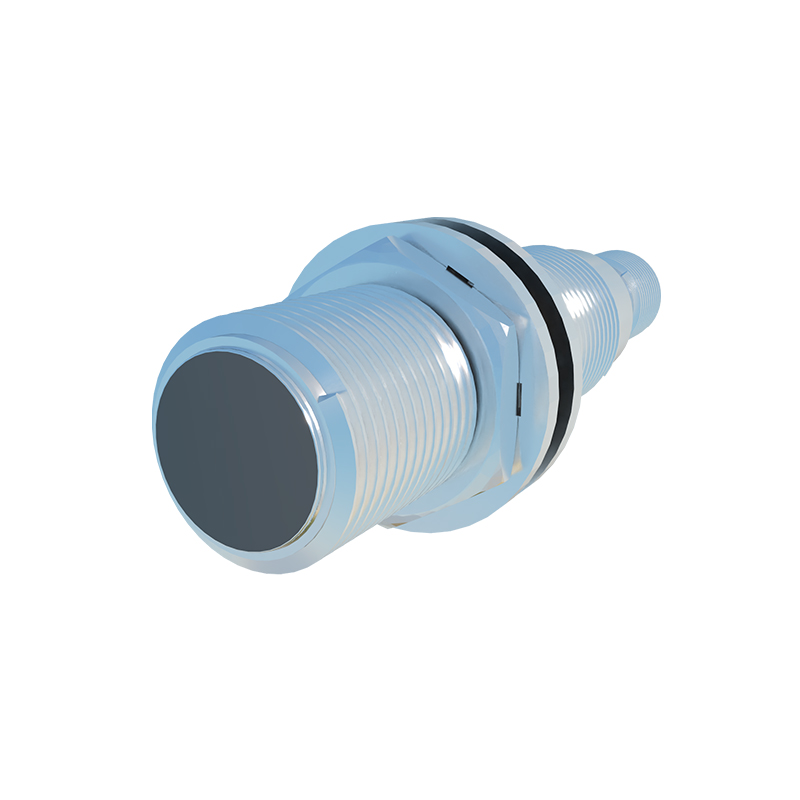
Connector and termination failures are a frequent point of weakness. The junction where the cable meets the sensor or the plug is a critical stress point. Vibration can loosen screw terminals or cause solder joints to fatigue and crack. If the cable gland is not properly sealed or tightened, it allows environmental contaminants to enter, leading to corrosion at the connection points. Poor crimping of ferrules or pins in molded connectors creates high-resistance connections that generate heat and fail. In some cases, electrolytic corrosion can occur between dissimilar metals used in the connector pins and cable strands, especially in damp environments.
To mitigate these failures, a proactive approach is essential. Selection is the first line of defense: choose cables with specifications that match or exceed the environmental and mechanical demands of the application. This includes oil-resistant jackets, high-flex designs for moving applications, and appropriate temperature ratings. Proper installation is non-negotiable. Cables should be routed away from moving parts and sharp edges, secured with clamps without overtightening, and provided with adequate strain relief at both ends. Using conduits or protective sleeving in high-risk areas adds an extra layer of defense. Implementing electrical protection, such as surge suppressors and proper shielding grounded at one end, can safeguard against transients and EMI. Finally, a routine inspection and preventive maintenance program should include visual checks for jacket damage, testing insulation resistance, and verifying the tightness of connections.
By systematically addressing these common causes—mechanical stress, environmental attack, electrical problems, and termination flaws—engineers and maintenance personnel can significantly enhance the operational lifespan and reliability of proximity sensor systems, ensuring continuous and accurate detection in automated processes.