In the realm of industrial automation, process control, and precision measurement, laser sensors are indispensable tools. Their ability to deliver non-contact, high-accuracy, and high-speed detection makes them a cornerstone of modern engineering systems. However, a common and critical question arises for project planners, procurement specialists, and design engineers: "How much do laser sensors cost?" The answer is rarely a simple figure. The pricing landscape for laser sensors is multifaceted, influenced by a complex interplay of technical specifications, performance requirements, and commercial factors. This guide delves into the key determinants of laser sensor pricing to provide a clear framework for budgeting and selection.
The primary driver of cost is the underlying technology and performance class. Basic photoelectric through-beam sensors, where a separate transmitter and receiver are aligned, are typically the most economical entry point. They are excellent for simple object detection but offer limited functionality. Moving up the scale, diffuse reflective sensors and retro-reflective sensors with background suppression command a higher price due to more sophisticated internal optics and evaluation electronics.
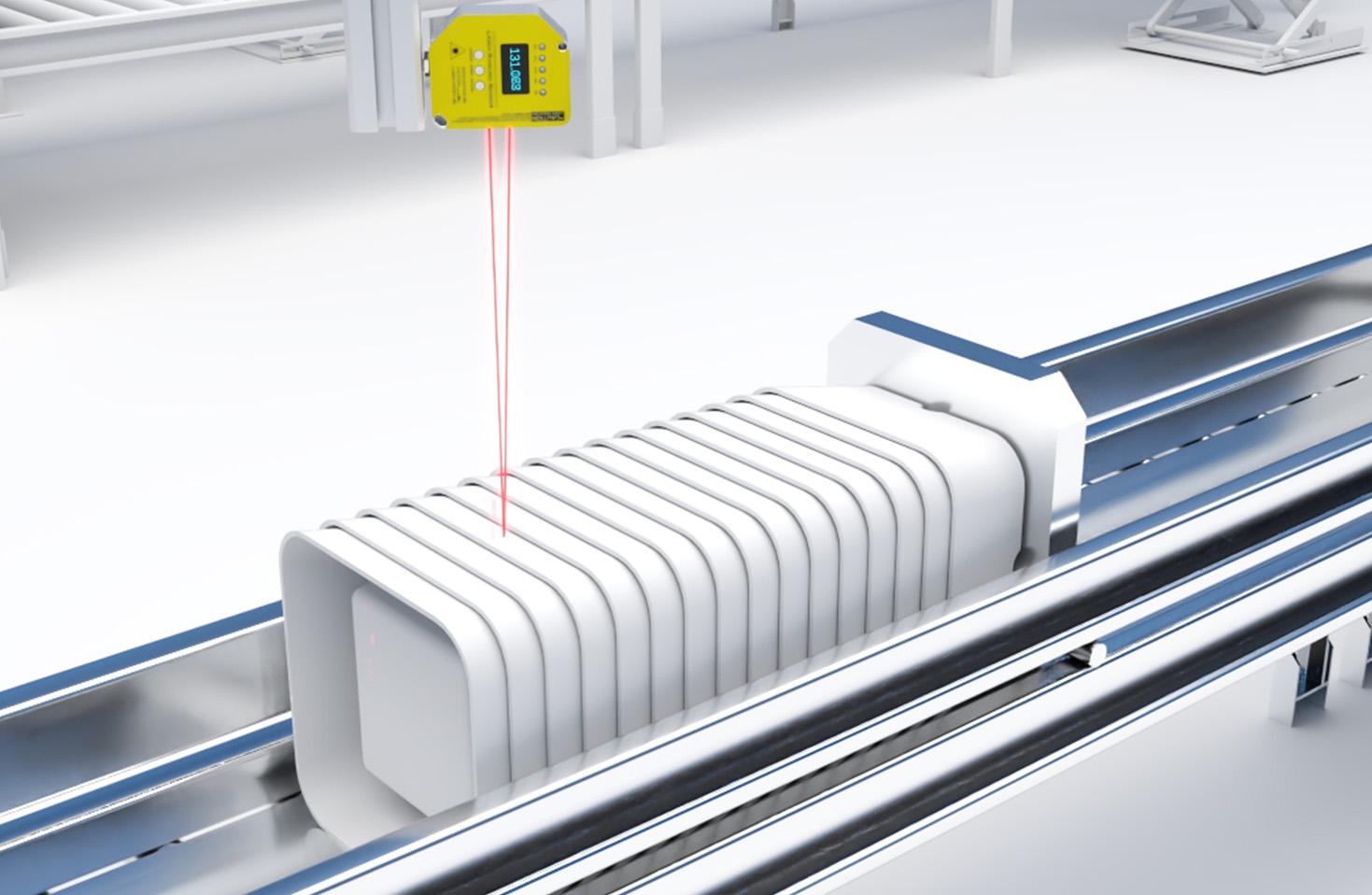
The most significant price jump occurs with laser distance sensors and laser displacement sensors. These devices, often based on triangulation or time-of-flight (ToF) principles, do not merely detect presence but provide precise analog or digital distance values. A standard 2D triangulation sensor for measuring range or displacement will have a base cost. However, when you require high-resolution (sub-micron capability), long measuring ranges (beyond several meters), or exceptionally high sampling rates (kilohertz range), the price increases substantially. Sensors employing confocal chromatic or interferometric principles for nanometer-level resolution represent the premium tier, often costing several times more than standard triangulation models.
Environmental and mechanical specifications are major cost factors. A standard IP67-rated sensor for factory floor use is commonplace. However, requiring intrinsically safe (ATEX/IECEx) certifications for hazardous areas, high-temperature variants (operating >100°C), or ultra-ruggedized housings for heavy industrial or outdoor use adds significant engineering and certification overhead, reflected in the price.
Outputs and connectivity move beyond simple NPN/PNP switching. Sensors with analog outputs (4-20mA, 0-10V) are standard. Integrating digital interfaces like IO-Link, which provides detailed parameterization and diagnostic data, adds a moderate cost premium. Ethernet-based protocols (EtherNet/IP, PROFINET, EtherCAT) for direct integration into industrial networks, or USB/RS-232 for PC-based systems, further increase complexity and cost. Advanced models with programmable logic or multi-point measurement capabilities are priced accordingly.
Optical and accessory requirements also impact the bottom line. A standard visible red laser dot is common. Requiring a Class 1 infrared laser for eye-safety in open applications, a precise linear laser line for profile scanning, or specialized lenses for focusing on very small targets involves additional components. Mounting brackets, alignment tools, and protective enclosures are usually quoted separately.

Beyond the hardware, brand reputation and support play a crucial role. Established manufacturers like Keyence, Omron, Sick, or Micro-Epsilon command a price premium justified by extensive R&D, proven reliability, global calibration services, and comprehensive technical support. While generic or lesser-known brands may offer lower initial purchase prices, the total cost of ownership (TCO) must consider factors like longer lead times, limited documentation, and potential downtime.
As a rough price range estimate (in USD, for single-unit list prices):

* Basic photoelectric laser sensors: $100 - $400.
* Standard laser distance/displacement sensors (triangulation, short range): $500 - $2,000.
* High-performance displacement sensors (long range, high speed, high resolution): $2,000 - $8,000.
* Premium-grade sensors (confocal, interferometric, specialized applications): $8,000 - $20,000+.
Ultimately, determining the cost of a laser sensor is an exercise in defining requirements. Engineers must carefully balance measurement range, resolution, speed, environmental robustness, and required interfaces against the project budget. Engaging with suppliers early for a detailed technical consultation is highly recommended. Providing clear specifications will yield the most accurate quotations and ensure the selected sensor delivers the necessary performance and value, making the investment a catalyst for system efficiency and innovation rather than a budgetary surprise.