In industrial automation systems, proximity sensors play a critical role in non-contact detection of metallic or non-metallic objects. However, the reliability and accuracy of these sensors heavily depend on their mounting solutions. A well-designed proximity sensor mounting plate is not merely a bracket; it is an engineered component that ensures optimal performance, longevity, and safety in demanding environments. This article delves into the key considerations, design principles, and practical applications of these essential mounting plates.
The primary function of a mounting plate is to provide a rigid, stable, and precise platform for the proximity sensor. Vibration is a common challenge in industrial settings, from conveyor systems to robotic arms. A flimsy or improperly secured sensor can lead to false triggers, missed detections, and ultimately, production downtime. Mounting plates are typically fabricated from durable materials such as stainless steel, anodized aluminum, or engineered plastics like POM or PVDF. The material choice depends on the application environment—factors like exposure to chemicals, moisture, temperature extremes, and required mechanical strength. Stainless steel (e.g., 304 or 316 grade) offers excellent corrosion resistance and rigidity for harsh environments, while aluminum provides a good balance of strength and lightweight properties.
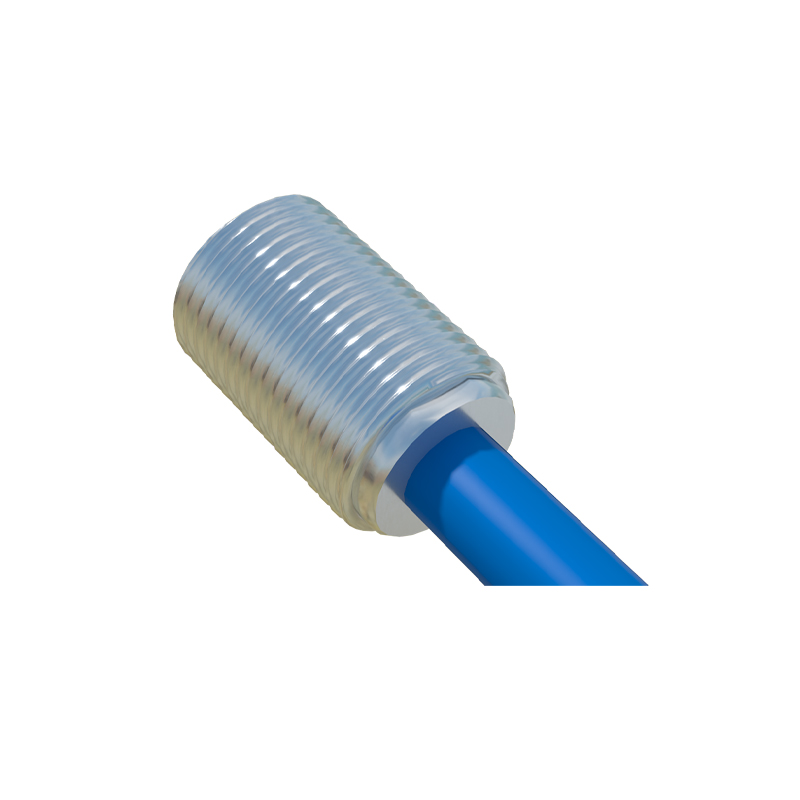
Design precision is paramount. The mounting hole for the sensor must match its thread specification (common types being M8, M12, M18, or M30) with tight tolerances to prevent any lateral movement or misalignment. Many plates incorporate slotted or adjustable hole patterns, allowing for fine-tuning of the sensor's position relative to the target object. This adjustability is crucial for setting the correct sensing distance, which is often very specific for inductive, capacitive, or ultrasonic proximity sensors. Furthermore, the plate design must facilitate proper cable management. Integrated cable glands or strain relief features protect the sensor's electrical connection from pull, twist, and environmental contaminants, significantly reducing wiring failures.
Another critical aspect is grounding and shielding, especially for inductive sensors in electrically noisy environments. A metal mounting plate, when properly connected to the machine ground, can act as an additional shield against electromagnetic interference (EMI), enhancing signal integrity. The plate's geometry should also consider the sensor's sensing field. Mounting too close to metal surfaces other than the target can cause parasitic interference or a reduced sensing range. Designers often include spacers or use non-metallic standoffs to create the necessary "free zone" around the sensor head as specified by the manufacturer.
Application scenarios are diverse. On automated assembly lines, mounting plates are used to fix sensors that detect the presence of components, count objects, or verify positioning. In material handling, they secure sensors for pallet detection, door open/close status, or end-of-travel limits on linear actuators. Within robotic work cells, custom mounting plates allow sensors to be positioned on grippers or tool changers for precise part detection. The trend towards modular automation has also popularized standardized mounting plates that can be quickly attached to T-slot aluminum framing systems, enabling rapid prototyping and system reconfiguration.
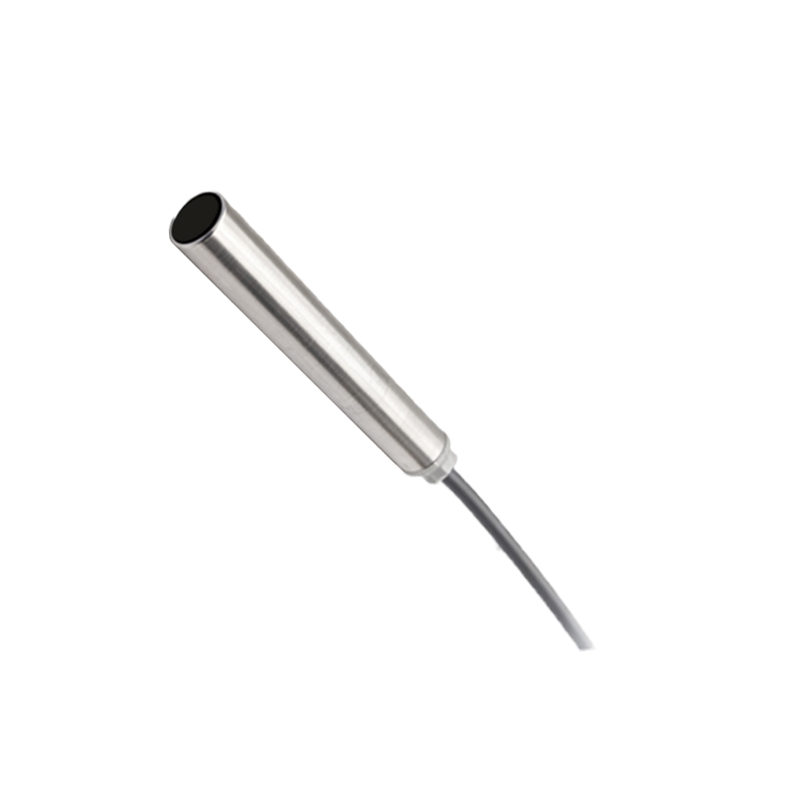
Installation and maintenance best practices should not be overlooked. Mounting plates must be securely fastened using appropriate hardware, often with locking washers or thread-locking compounds to prevent loosening. Periodic inspection for signs of physical damage, corrosion, or loosened fasteners is part of a proactive maintenance routine. Using a mounting plate also simplifies sensor replacement; the sensor can be unscrewed and a new one installed without disturbing the main bracket's alignment on the machine.
In conclusion, the proximity sensor mounting plate is a fundamental yet sophisticated element in control system design. Its correct selection and implementation—considering material, mechanical design, electrical environment, and application needs—directly impact system reliability, precision, and operational efficiency. Investing in a high-quality, appropriately designed mounting plate is a small cost that prevents significant losses from sensor failure and production interruptions. As automation systems grow more complex, the role of these robust interface components becomes ever more vital.